How to Finance Construction Equipment Wisely
Learn how to finance construction equipment while protecting cash flow, evaluating terms, and preparing a lender-ready commercial equipment file today.


A tractor is ready at the dealer. The replacement wrecker has the right bed and wheelbase. An excavator is available before the next job starts. At that point, an equipment broker review should focus on more than whether a financing provider answered the phone quickly. The real question is whether the broker can help structure a transaction that fits the asset, the business, the seller, and the time required to put the equipment into service.
For an established business, equipment financing is part of an operating decision. A poorly structured deal can tie up working capital, create a payment that does not match expected revenue, or delay delivery while documents are corrected. A capable commercial equipment finance broker helps reduce that friction by matching qualified borrowers and assets with appropriate funding sources, then managing the details through closing.
Online ratings and testimonials may offer a starting point, but they are not enough to evaluate a financing partner. Commercial transactions are highly specific. A broker that handles a late-model over-the-road tractor may not have the same practical experience with a 12-year-old crane, a specialty ambulance conversion, or a used rollback purchased from an independent seller.
A useful review looks at execution in five areas: equipment knowledge, lender access, deal structuring, documentation control, and communication. Each affects whether the transaction closes on acceptable terms and whether the asset gets to work when the business needs it.
The broker should ask precise questions early. These commonly include the equipment year, make, model, mileage or hours, purchase price, seller type, intended commercial use, time in business, ownership structure, fleet size, existing debt, and current financial performance. Those questions are not unnecessary hurdles. They help identify likely lender requirements before a buyer commits to a purchase timeline.
Asset details influence financeability. A lender may view a 2022 sleeper tractor with reasonable miles differently than a high-mileage unit with an unusual specification. The same is true for construction equipment with high hours, a specialized tow truck body, or a medical transport vehicle that needs conversion documentation.
A broker should understand why these details matter. Age, condition, resale market, title status, maintenance history, and useful life can affect advance rate, term length, down payment expectations, and lender selection. The right answer is not always the lowest monthly payment. Extending the term on older equipment may preserve monthly cash flow, for example, but may also create a higher total financing cost or fall outside a lender’s asset guidelines.
For fleet operators, the broker should also understand the business case. Replacing a truck with recurring downtime is different from adding three units to cover a new dedicated lane. One decision protects uptime; the other depends on projected utilization, driver availability, contract stability, and working capital.
Many businesses hear that a broker has access to multiple funding sources. That can be valuable, but only if the broker knows which source fits the transaction. Sending the same application to every possible lender is not a financing strategy. It can lead to duplicated requests, inconsistent terms, and wasted time.
A productive broker assesses the file first, then positions it with lenders whose programs may fit the borrower and asset. An established company with strong financials purchasing new yellow iron may have different options than a well-run towing business acquiring a used heavy wrecker. A business with solid credit but a newer operating division may need the transaction explained differently than a company with decades of history and a large existing fleet.
This is where a broker’s lender-requirement knowledge matters. Some programs place more weight on time in business. Others focus closely on the asset, industry concentration, annual revenue, existing equipment debt, or the seller. A private-party purchase, for instance, usually requires more verification than a purchase from a franchised dealer or established equipment vendor.
No broker should promise that every deal will receive the best rate, no money down, or a particular approval timeline. Credit profile, financial strength, collateral, documentation, lender appetite, and the complete deal structure all matter. A credible broker explains those variables rather than glossing over them.
When reviewing financing proposals, businesses should compare the complete structure. The monthly payment matters, but it does not tell the full story. A lower payment can result from a longer term, a larger final payment, additional cash due at signing, or fees that are not immediately obvious.
Ask for clarity on the amount financed, term, payment frequency, payment amount, down payment, advance rate, documentation requirements, insurance requirements, and any end-of-term obligations. If the transaction includes a lease structure, make sure the business understands whether it is designed for ownership, return options, or a purchase obligation. The right structure depends on how long the company expects to keep the asset, its replacement cycle, and its cash-flow priorities.
Consider a contractor replacing a compact excavator. If the machine is expected to remain in the fleet for many years, an ownership-oriented structure may fit the operation. If a company regularly refreshes a specialized fleet before maintenance expense rises, a different structure may be worth evaluating. Neither choice is automatically better. The equipment’s expected use, residual value, and replacement plan should drive the conversation.
The most helpful broker work often happens after a conditional approval. The lender may need equipment specifications, an invoice, a purchase order, proof of insurance, bank statements, financial statements, corporate documents, or verification of the seller and payoff information. A broker should tell the customer what is needed, why it is needed, and when it is due.
This is particularly important when a transaction involves a used asset, a trade-in, a private seller, a title payoff, or equipment located in another state. The paperwork can be more involved than a straightforward dealer purchase. Delays often come from missing serial numbers, incorrect legal business names, unsigned documents, insurance that does not match lender requirements, or invoice changes after approval.
Responsive coordination helps protect delivery schedules. It does not mean that every transaction can close immediately. Funding in a short time frame may be possible for well-qualified businesses when the asset, documents, seller, and lender requirements align. More complex files take longer, and a broker should be candid about that early.
A business evaluating a broker should ask practical, transaction-specific questions. What information will determine which funding sources are considered? Has the broker financed this equipment type and purchase format before? What documentation is likely to be needed? Who will coordinate with the vendor, lender, and insurance agent? How will changes to the equipment quote or delivery date be handled?
Also ask how the broker approaches competing proposals. The answer should go beyond, “We will find the lowest payment.” A sound comparison explains the tradeoffs among rate, term, down payment, ownership goals, prepayment provisions, and speed of execution.
For vendors and dealers, the same review should focus on communication and process control. A financing partner should provide realistic updates, identify missing items promptly, and avoid creating false expectations for the customer. That helps sales teams move qualified buyers from quote to delivery with less avoidable back-and-forth.
A specialized finance broker is most useful when the deal has moving parts: multiple units, used equipment, a vocational body, a complex seller arrangement, a specific delivery deadline, or a borrower whose strengths need to be presented clearly. Commercial Fleet Financing, Inc. works as an equipment finance broker and financing partner for established U.S. businesses, helping coordinate those elements across commercial vehicles, construction equipment, and other revenue-producing assets.
The value is not simply submitting an application. It is understanding the business purpose behind the purchase and helping present a complete, financeable transaction. For a fleet manager, that may mean replacing equipment before repair costs and downtime become operational problems. For a CFO, it may mean preserving capital for payroll, materials, or expansion. For a dealer, it may mean keeping a qualified sale moving without making unsupported promises about approval or timing.
A strong equipment broker review ends with a practical test: does this provider understand the asset, ask the right questions, explain the financing structure clearly, and stay engaged until the equipment is ready to enter service? Those are the signs of a partner prepared to support a commercial purchase, not merely collect an application.
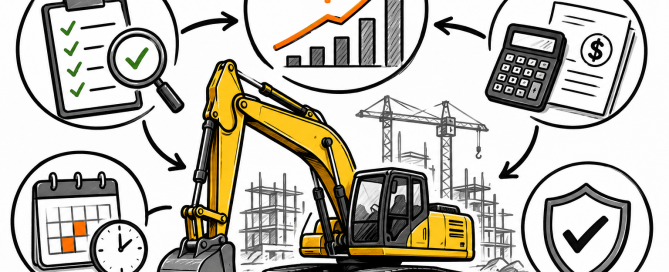
Learn how to finance construction equipment while protecting cash flow, evaluating terms, and preparing a lender-ready commercial equipment file today.

A vendor financing partnership program guide for dealers and manufacturers seeking equipment sales, qualified buyers, and commercial funding support.

Commercial electric vehicle financing trends are reshaping replacement decisions through battery, charging, residual-risk, and cash-flow considerations for fleets.
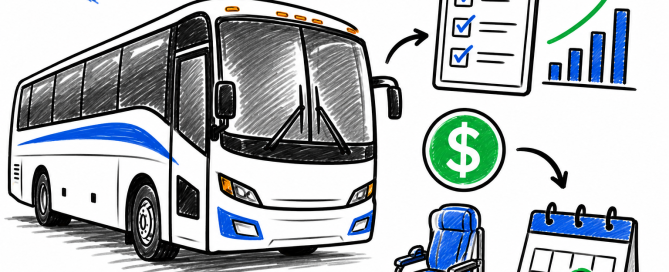
Commercial bus financing for operators helps established fleets assess terms, vehicle fit, cash flow, and documentation before buses enter revenue service.
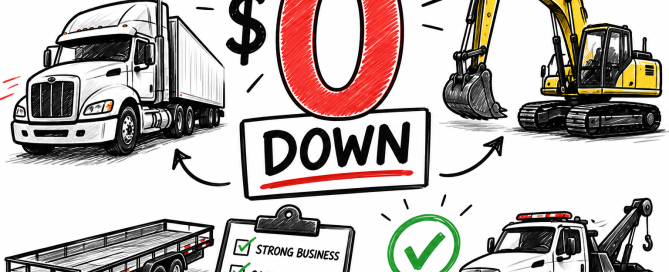
Do lenders offer zero down for equipment? Learn when $0 down may be possible, what lenders review, and how commercial deals are structured.