Top Fleet Acquisition Strategies for Growing Businesses
Compare top fleet acquisition strategies for replacing, expanding, and financing commercial vehicles while protecting cash flow and uptime with confidence.

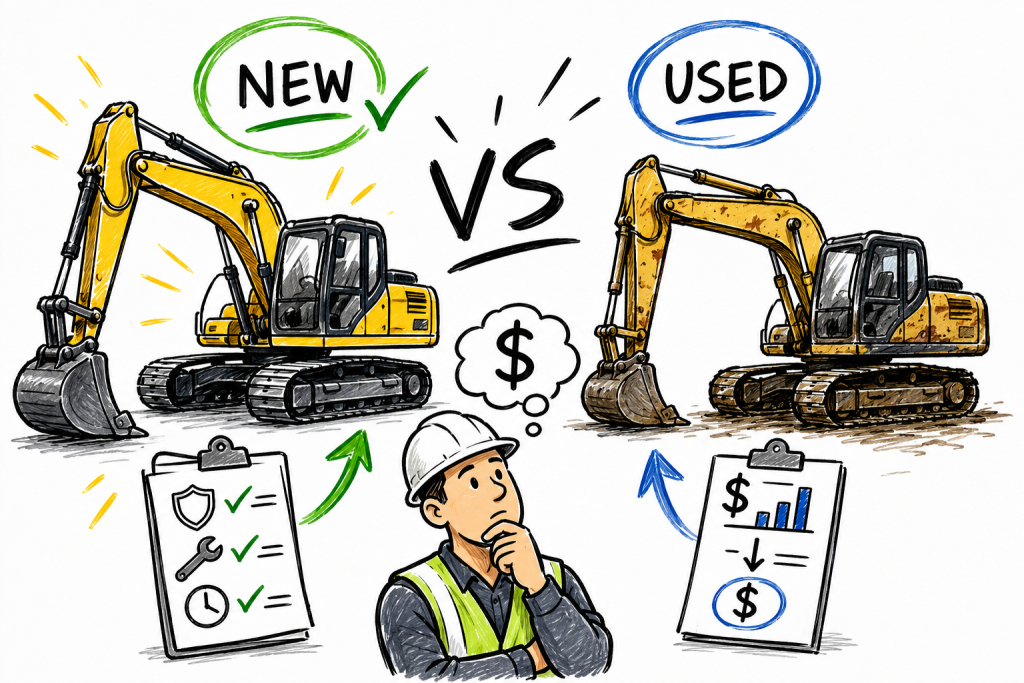
An excavator that sits in the yard waiting on repairs does not help a contractor hit deadlines, move dirt, or invoice the next job. That is why new versus used excavator financing is not just a price question. It is a cash flow, uptime, and deal-structure decision that affects how quickly the machine starts earning.
For some businesses, a new unit makes sense because it supports longer planned use, stronger reliability, and better warranty coverage. For others, a used excavator is the more practical move because it lowers the purchase price and can reduce the monthly payment. The right answer depends on your workload, how long you plan to keep the machine, the condition and age of the equipment, and how the financing is structured.
At a high level, both new and used excavators can be financed for commercial use. The difference is that lenders usually look at risk differently depending on the machine’s age, condition, hours, and resale profile.
A new excavator often gives lenders more confidence because the asset has a clear origin, fewer unknowns, and a longer remaining useful life. That can open the door to longer terms, lower upfront cash requirements in some cases, and more flexibility on structure depending on the borrower profile. New equipment also tends to be easier to document, especially when it comes from a recognized dealer or manufacturer with clean invoices and complete specifications.
A used excavator can still be a strong finance candidate, but the details matter more. Lenders may pay closer attention to model year, usage hours, maintenance history, prior ownership, and the source of sale. A late-model used machine from an established dealer is a very different financing scenario than an older unit bought at auction with limited service records.
Many buyers start with sticker price, which is understandable. A used excavator usually costs less than a new one, and that lower price can make the monthly obligation more manageable. But lower acquisition cost does not automatically mean lower total operating cost.
If the used machine needs frequent repairs, has more downtime, or requires parts that are harder to source, the real cost can rise quickly. That is especially true for contractors who depend on the excavator to stay on schedule. One missed trenching window or delayed site prep can cost more than the difference between payments on a newer unit and an older one.
A new excavator generally comes with stronger predictability. You know its maintenance starting point, warranty protection may be available, and expected service intervals are easier to plan around. If your business has committed project timelines or needs dependable fleet uptime, that predictability can justify the higher financed amount.
New financing tends to fit businesses planning for long-term use. If you expect to keep the machine for years, put significant hours on it, and make it a core part of operations, financing new equipment can align with that strategy.
It also makes sense when reliability is a top concern. Excavation, utility work, site development, demolition support, and large-scale landscaping often leave little room for equipment failure. A newer machine can reduce the risk of disruptions, especially if your pipeline is strong and the excavator needs to stay productive from day one.
Another factor is technology. Newer excavators may offer improved fuel efficiency, emissions compliance, grade control features, operator comfort, and telematics. Those features may not matter for every buyer, but they can matter a great deal for companies managing multiple operators, tracking utilization, or bidding jobs where performance and operating cost are tightly watched.
From a financing standpoint, new equipment can also be easier to structure when the borrower has solid business financials, industry experience, and a clear commercial use case. In those situations, lenders may view the deal as lower risk because the machine has strong collateral value and a longer useful life ahead.
Used financing often works well for companies focused on preserving working capital. If you need an excavator now but want to keep more cash available for payroll, fuel, mobilization, or other equipment needs, a used purchase may be the more practical fit.
It can also be the smarter option when the machine will be used intermittently rather than every day. A business that needs an excavator for occasional support work may not benefit from paying a premium for a brand-new unit. In that case, a clean, well-maintained used machine may deliver the right balance of cost and utility.
Used equipment can also help businesses expand faster. Instead of allocating the full budget to one new excavator, some buyers choose a used unit so they can preserve capital for attachments, transport equipment, or additional fleet purchases. If growth is the priority, that flexibility matters.
The key is buying selectively. The best used financing scenarios usually involve equipment with reasonable hours, documented maintenance, and a seller that can provide complete asset information. The more transparent the machine history, the easier it is to position the deal.
Whether the excavator is new or used, financing is rarely based on price alone. Lenders typically review the borrower and the asset together.
On the borrower side, they may consider time in business, industry experience, revenue strength, cash flow, existing debt obligations, and credit profile. A well-established contractor with a track record of equipment ownership may have more structure options than a newer business acquiring its first excavator.
On the equipment side, they often look at age, condition, hours, manufacturer, model, marketability, and seller type. New versus used excavator financing becomes more nuanced here because older equipment can trigger shorter terms, additional documentation requests, or higher down payment expectations depending on the file.
Seller quality also matters. A machine purchased from a recognized dealer with a clean invoice and identifiable serial information is generally easier to finance than a private-party transaction with incomplete paperwork. That does not mean private-party deals cannot be done. It means the file usually needs to be cleaner and better supported.
Many buyers want to know whether financing new or used equipment will require more money down. The honest answer is that it depends on the borrower, the machine, and the overall risk profile.
New excavators may qualify for lower upfront cash in some cases because lenders can get more comfortable with collateral value and expected useful life. Used excavators, especially older ones, may call for more money down or shorter repayment terms. That does not make used financing a bad option. It just changes the monthly payment and the amount of cash needed to close.
Term length matters as much as rate discussions. A longer term on a new machine may help keep payments lower even though the total financed amount is higher. A shorter term on an older used machine can create a surprisingly similar monthly payment, even if the purchase price is lower.
This is where deal structure matters more than headline assumptions. Looking only at sale price can be misleading. Buyers should compare payment, total cash required, expected repair exposure, and how long the machine is likely to stay productive in their fleet.
The best financing decision usually starts with utilization. If the excavator will be central to daily production, the value of reliability and warranty support increases. If the machine is supplemental or seasonal, used equipment may offer a better return.
Job type matters too. Heavy demolition, rock work, and high-hour trenching can be punishing on older iron. In those environments, a newer machine may provide better operating confidence. On lighter-duty or occasional work, a used unit may be entirely appropriate.
Buyers should also think about replacement timing. If you want to refresh equipment on a more predictable cycle, financing new may fit that plan. If your goal is to acquire a serviceable machine, use it strategically, and limit capital outlay, financing used can be the stronger move.
Excavator transactions often move quickly, especially when a contractor needs to replace a failed unit or secure equipment for a pending project. That puts pressure on documentation, lender fit, and timing.
Working with a specialized commercial financing partner can help because the structure needs to match both the machine and the business. Commercial Fleet Financing supports equipment buyers across the U.S. with approval guidance, documentation coordination, and financing options for revenue-producing equipment. That can be especially useful when a deal involves used equipment, dealer inventory, private-party transactions, or time-sensitive project needs.
The goal is not just getting an approval. It is putting together a structure that works in the field, supports cash flow, and gets the excavator into service with as little friction as possible.
If you are weighing new versus used, start with the machine’s role in your operation rather than the sale price alone. The best financing choice is the one that fits your workload, your risk tolerance, and your timeline for turning that excavator into revenue.
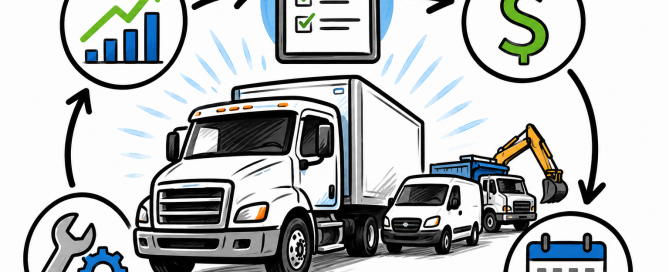
Compare top fleet acquisition strategies for replacing, expanding, and financing commercial vehicles while protecting cash flow and uptime with confidence.
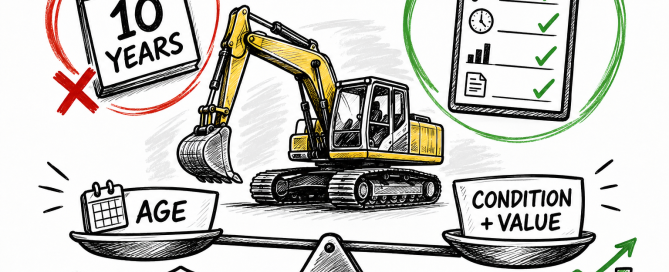
Does equipment age matter? Learn how age, mileage, condition, seller type, and useful life can affect commercial equipment financing options and timing.
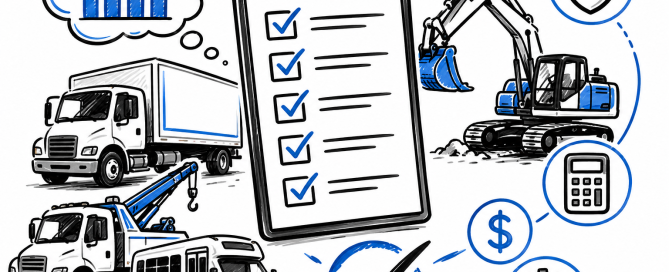
Use this fleet acquisition checklist to assess equipment fit, costs, financing readiness, vendors, and uptime before committing capital to a purchase.
A fleet financing partner review helps established businesses compare lender access, equipment knowledge, terms, timing, and support before they commit.

Learn how to finance ambulances with terms that protect cash flow, fit vehicle specifications, and help qualified medical fleets stay ready for service.