How to Finance Multi-Unit Fleets Without Cash Strain
Learn how to finance multi-unit fleets with structures that protect working capital, fit replacement schedules, and support faster equipment deployment.

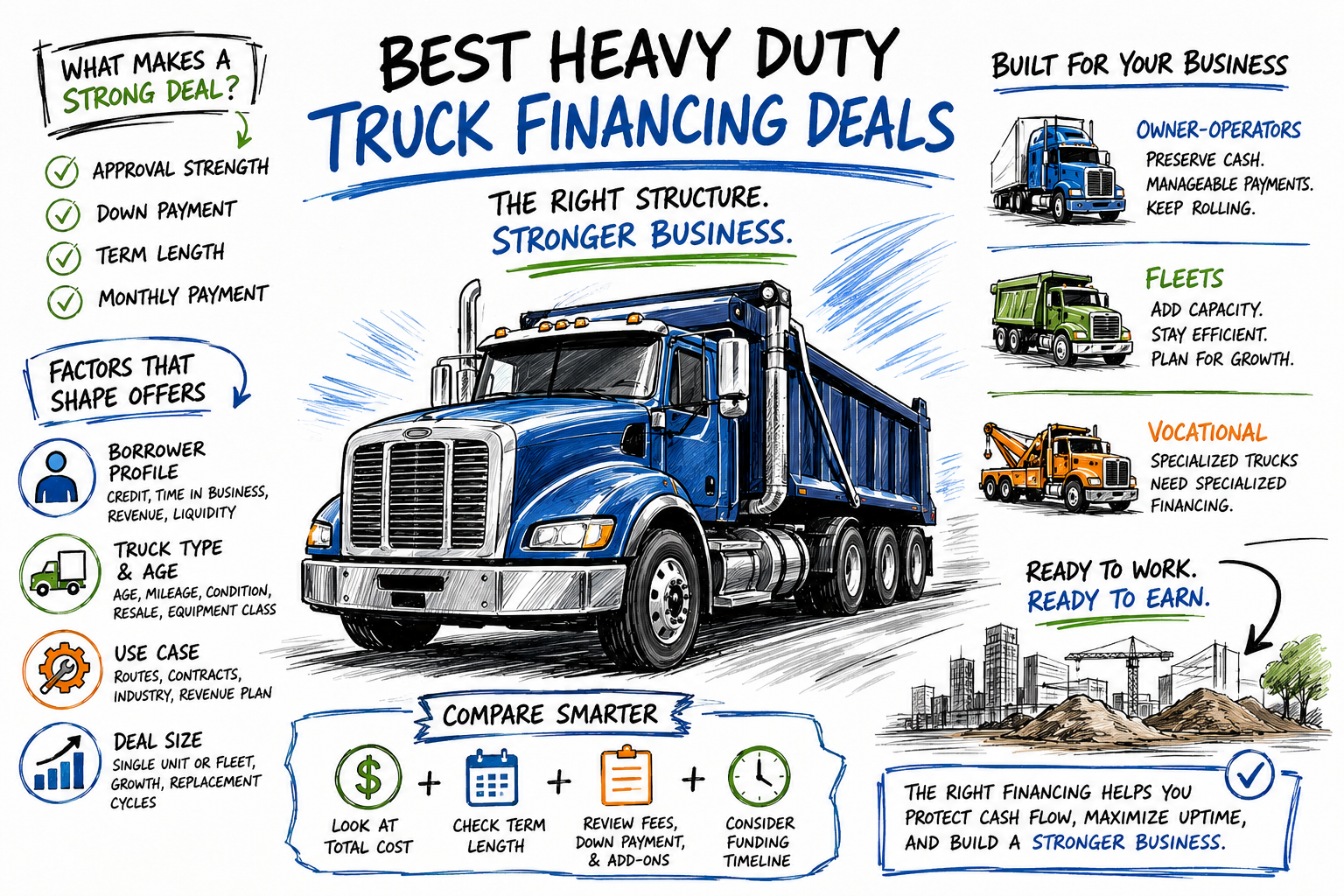
A truck that is ready to work can start earning on day one. A truck with the wrong financing structure can put pressure on cash flow before it ever turns a wheel. That is why buyers searching for the best heavy duty truck financing deals need to look beyond the payment and evaluate how the entire deal fits the business.
For most commercial buyers, the right financing deal is not simply the lowest rate on paper. It is the structure that helps preserve working capital, keeps the truck in service, and matches the revenue cycle of the operation. That can look different for an owner-operator replacing one aging unit, a fleet adding several tractors, or a construction company financing a vocational truck with specialized upfit equipment.
In commercial truck finance, a strong deal usually balances four things: approval strength, down payment, term length, and monthly payment. If one part is pushed too far, another part usually changes with it. A lower monthly payment may come with a longer term. A lower cash requirement may depend on time in business, stronger credit, or the age and type of truck.
The best heavy duty truck financing deals are often the ones structured around how the truck will be used. A long-haul tractor, a dump truck, a rollback, and a heavy vocational unit do not always fit the same program. Lenders often view mileage, depreciation, resale strength, business type, and equipment class differently. That means the most competitive option for one truck may not be the best fit for another.
A practical example makes this clearer. A newer Class 8 sleeper tractor with strong resale value may qualify for more aggressive terms than an older specialty unit with a narrower resale market. The payment on the specialty truck might still work well for the borrower, but the deal structure will likely reflect the equipment risk and lender appetite.
Two companies can buy the same truck from the same seller and receive different structures. Time in business, credit profile, revenue history, industry experience, debt load, and liquidity all influence financing options. Startups can still get financed in many cases, but they often need a stronger overall file, a larger down payment, or a cleaner equipment profile.
Established carriers and businesses with proven operating history typically have more flexibility. That may include longer terms, better advance rates, or lower upfront cash requirements. It depends on the full deal, not just one credit score.
New and late-model heavy duty trucks generally open up more financing options. Older trucks can still be financeable, but the structure may tighten as the asset ages. Mileage, condition, engine history, emissions profile, and marketability all matter.
Specialized trucks deserve extra attention. A heavy duty truck with a wet kit, custom body, crane package, hooklift, or towing configuration may require a financing partner that understands both the chassis and the upfit. If the deal is not structured correctly, the buyer can end up with avoidable delays around documentation, valuation, or equipment breakdown.
A single-truck acquisition is one thing. A multi-unit fleet purchase is another. The larger and more strategic the acquisition, the more room there may be to structure terms around replacement cycles, expansion goals, or staged deliveries.
Use case also matters. A truck used for contracted freight with documented revenue may be viewed differently than one entering a new business line. Neither is automatically better or worse, but lenders want to understand how the asset will generate income.
Many buyers compare offers by monthly payment alone. That is understandable, but it can hide important differences.
A lower payment is not always cheaper. It may come from a longer term that increases total finance cost. A deal with slightly higher payments may still be the better business decision if it keeps the truck aligned with the company’s replacement schedule or reduces the amount of cash tied up at closing.
When comparing options, look at the total structure. Review the term length, any down payment requirement, whether the approval is for the full equipment package, and how quickly the transaction can move from approval to funding once documents are complete. For operators trying to get a truck into service quickly, timing can be just as important as pricing.
It is also smart to ask how the lender views add-ons and soft costs. Items like warranties, taxes, delivery, body installation, and other related equipment can affect the amount financed. A deal that looks attractive at first may become less competitive if those items are excluded or create a larger-than-expected out-of-pocket requirement.
For owner-operators, preserving cash is usually a major priority. The truck needs to produce income, but the business also needs fuel money, maintenance reserves, permits, insurance, and operating flexibility. In this situation, a good financing deal often means a manageable down payment and a payment structure that fits expected routes and contract revenue.
The cheapest-looking offer is not always the safest one. If the term is too short, the payment may be unnecessarily tight. If the truck is older, it may make more sense to keep the term realistic rather than stretching for a monthly number that looks good but creates long-term mismatch with the asset.
Fleet buyers usually think in terms of utilization, replacement timing, and capital allocation. The best structure may be one that helps the company add equipment without overcommitting cash that is needed elsewhere in the business.
For fleet expansion, consistency matters. If multiple trucks are being added, approval support, documentation handling, and funding coordination can be just as valuable as the actual terms. Delays in one unit can affect driver hiring, route planning, and revenue timing across the fleet.
Dump trucks, tow trucks, wreckers, rollbacks, mixers, and other heavy vocational units often require more than a generic finance process. The truck body, mounted equipment, and work application all influence the deal.
This is where specialization matters. A financing partner that understands commercial equipment categories can help present the deal correctly, work through equipment details, and coordinate with sellers so the approval reflects the full asset being purchased. That can reduce friction and improve the odds of a workable structure.
One common problem is weak or incomplete documentation. Even strong borrowers can run into delays when invoices are unclear, equipment details do not match, or business financials and ownership documents are missing. A good deal can stall if the transaction package is not clean.
Another issue is waiting too long to line up financing. Buyers sometimes negotiate the truck first and only then start the finance process, which can create pressure if the seller wants a fast close. Prequalification or early review can save time and help identify realistic terms before the truck needs to be delivered.
There is also the question of fit. Some lenders are comfortable with over-the-road tractors but less interested in certain vocational units, older iron, startups, or more complex business structures. Access to multiple financing programs matters because it improves the chance of matching the transaction to a lender that understands the asset and the borrower.
Strong truck financing starts with a complete file. Most commercial buyers should be ready with basic business information, ownership details, truck specs, seller invoice or purchase order, and supporting financials if the transaction requires them. If the truck is used, condition and mileage information should be clear from the start.
It also helps to know how you want the truck to fit into the business. Is it replacing a down unit, supporting a new contract, expanding fleet capacity, or allowing a new service line? That context matters because it helps shape the structure and gives the financing team a clearer picture of the revenue purpose behind the equipment.
Commercial Fleet Financing works with business buyers across the U.S. on revenue-producing vehicles and equipment, and that kind of category experience can matter when the deal involves heavy trucks, fleet growth, vendor coordination, or a tighter timeline.
If you want the best heavy duty truck financing deals, start by defining what a good deal means for your operation. That usually includes a competitive structure, reasonable cash out of pocket, and terms that support uptime and revenue rather than strain the business.
The goal is not to chase a headline offer. It is to secure financing that fits the truck, the borrower, and the work the truck is expected to do. When the structure is right, the truck can get on the road, into the field, or onto the jobsite without creating unnecessary drag on the business. That is usually where the real value is.
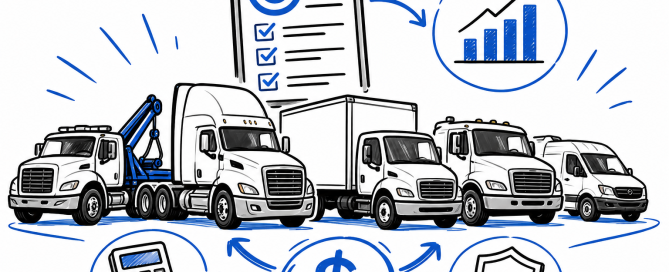
Learn how to finance multi-unit fleets with structures that protect working capital, fit replacement schedules, and support faster equipment deployment.
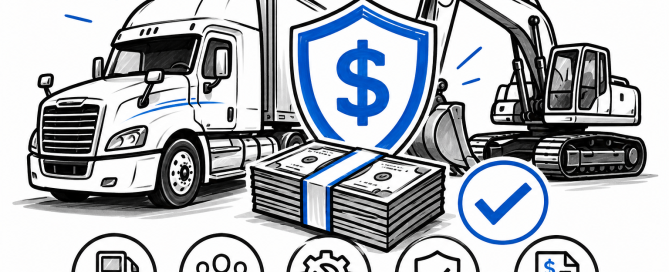
Learn how to preserve working capital for equipment purchases with financing structures that protect cash flow and keep revenue assets in service as planned.
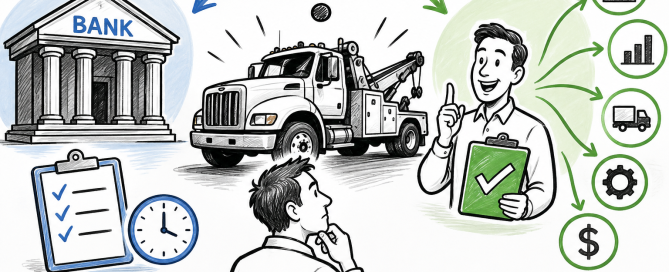
Compare an equipment finance broker versus banks for fleet and equipment purchases, including lender access, timing, terms, documentation, and needs.
Use this fleet financing checklist to assess equipment, cash flow, documentation, and deal structure before adding or replacing commercial vehicles first.

Used versus new equipment financing affects cash flow, uptime, collateral value, and approval structure. Compare the right purchase for your commercial fleet.