Box Truck Financing Companies Review Checklist
A box truck financing companies review for established businesses: compare lenders, terms, asset rules, documents, and funding support before buying wisely.

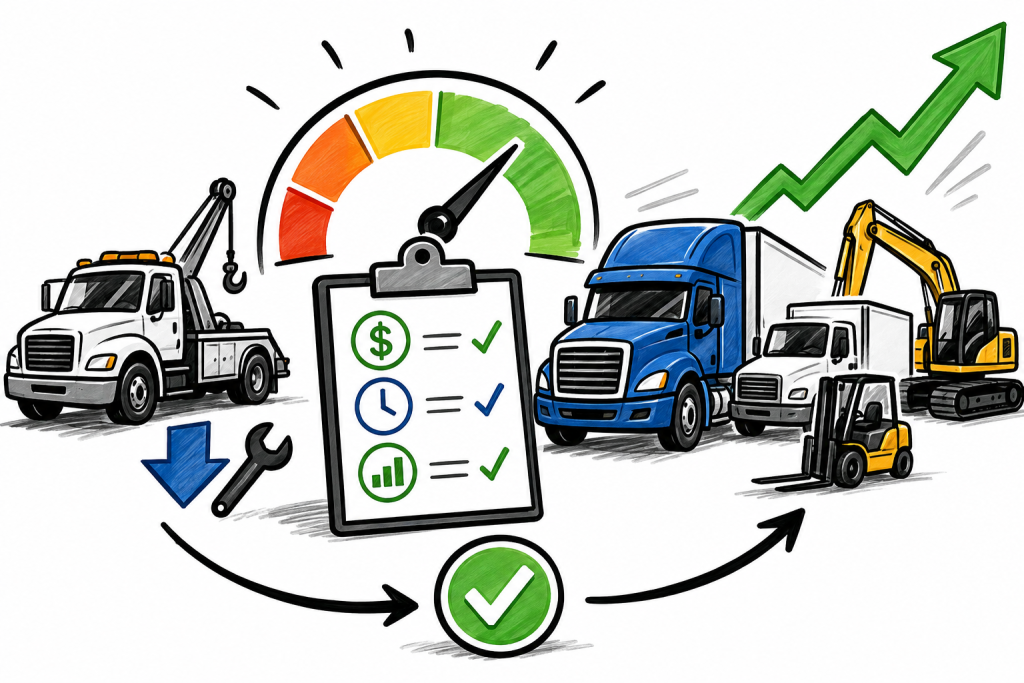
A truck that misses dispatch because of a recurring aftertreatment issue, a wrecker that cannot keep up with contracted volume, or an excavator tied up in repairs creates a more expensive problem than a monthly payment. Knowing when fleet financing makes sense starts with measuring the revenue, uptime, and working-capital impact of putting a suitable asset into service rather than focusing only on its purchase price.
For established businesses, financing is often a capital-allocation decision. Cash may be available, but it may also be needed for payroll, fuel, materials, insurance, maintenance, deposits, or the next project. The right structure can let a business acquire revenue-producing equipment while keeping operating capital available for the work that follows.
Fleet financing generally makes sense when the equipment will either produce measurable revenue, protect profitable existing revenue, or reduce operating costs enough to support its payment. That can apply to a Class 8 tractor hauling under a new contract, a rollback replacing a frequently downed unit, a box truck needed for an expanded delivery route, or a forklift that removes a bottleneck in a warehouse.
The key question is not simply, “Can we afford the payment?” A better question is, “What does it cost us to wait?” If a replacement dump truck allows a contractor to keep crews productive during peak season, the cost of delay may include missed loads, rented equipment, overtime, and an impaired customer relationship.
Financing is most useful when the asset has a clear business purpose and a reasonable expected service life. Lenders and funding sources also look for this connection. A well-documented business buying equipment that fits its operations is usually easier to evaluate than a transaction with an unclear use case or speculative growth plan.
Many fleet purchases begin as a repair decision. A truck is still operating, but shop invoices are rising, parts delays are becoming routine, and dispatch is working around its limitations. At that point, keeping the unit may appear cheaper because its loan is paid off. That comparison can be misleading.
A paid-off asset still carries costs: repair labor, parts, substitute rentals, driver disruption, missed work, and lower resale value if the equipment deteriorates further. Financing a newer truck, trailer, tow unit, or piece of yellow iron may be sensible when the replacement improves availability and gives the business a more predictable operating plan.
This does not mean every older asset should be replaced. A well-maintained unit with low annual utilization may continue to be the economical choice. The case becomes stronger when maintenance is unpredictable, utilization is high, or the unit is critical to a contract, route, or crew.
A practical replacement review considers expected monthly payment, maintenance history, fuel use where relevant, downtime exposure, rental costs, insurance changes, and likely resale or trade value. It should also account for the time required to source equipment and complete funding.
For example, a towing company may find that a 10-year-old wrecker has a manageable payment-free status but is spending too much time in the shop during nights and weekends. A newer unit with a documented service record may cost more each month, yet improve dispatch reliability and support more completed calls. That is a business case, not merely an equipment preference.
Growth financing works best when demand is visible. Signed contracts, a consistent backlog, additional routes, recurring customer volume, or work being turned away are stronger reasons to add equipment than a general expectation that business will improve.
A logistics company adding tractors and dry vans after winning dedicated lanes has a clearer case than one purchasing several units before freight volume is established. A construction company may have similar support through awarded work, a multi-month backlog, or crews that are currently sharing equipment and losing productive hours.
Capacity additions should be matched to staffing, maintenance capability, and cash flow. A business that adds five trucks but cannot hire qualified drivers or support the higher fuel and insurance burden can create pressure instead of growth. Financing can preserve cash, but it does not eliminate the operational cost of a larger fleet.
Paying cash for equipment can be appropriate when a company has excess liquidity and no better use for it. But equipment purchases rarely occur in isolation. A new semi-truck may require tags, insurance adjustments, fuel, driver onboarding, permits, and working capital before the first customer payment arrives. A new excavator may require attachments, mobilization, labor, and materials to begin producing revenue.
Financing can spread the asset cost over time while the equipment generates income. The tradeoff is financing cost and the obligation to make scheduled payments. For many established operators, retaining a stronger cash position is worth that tradeoff, especially when cash is needed to manage seasonality or uneven customer payment cycles.
This is particularly relevant for businesses with long receivable periods. Contractors, municipal vendors, medical transport providers, and commercial carriers may perform work well before they collect payment. Using all available cash for a fleet purchase can make routine operating expenses harder to manage.
A sound structure considers useful life, asset condition, and how long the business expects to keep the equipment. Newer equipment often provides more term flexibility because it has a longer remaining useful life. Used equipment can also be financeable, but age, mileage, hours, maintenance condition, and seller type matter.
A late-model tractor with reasonable mileage from an established dealer is typically a different transaction from an older vocational truck bought in a private-party sale. Neither is automatically better or worse, but the documentation, advance requirements, and available terms may differ. The same principle applies to trailers, cranes, excavators, forklifts, ambulances, buses, and specialized recovery equipment.
Avoid stretching a payment term simply to make the monthly number look attractive if the asset may need significant repair before the term ends. Conversely, financing a long-lived trailer or industrial asset over an overly short term can put unnecessary strain on cash flow. The objective is a payment schedule that reflects the asset’s expected productive life and the business’s operating cycle.
Established businesses are usually best positioned when they present a clear, complete transaction. Credit strength matters, but it is not the only consideration. Funding sources commonly evaluate the business’s time in operation, fleet history, financial performance, bank activity, existing debt, and the proposed equipment.
They may also consider the following factors:
Stronger profiles may have access to more options, while highly specialized, older, or high-mileage assets can require more structure. A down payment, additional documentation, or a different term may improve a transaction’s fit. Low- or zero-down structures can be possible in some cases, but they depend on the borrower, asset, lender requirements, and overall deal structure.
Fleet financing is not automatically the right answer. Paying cash may be preferable for a lower-cost asset, a short-term operational need, or a business with substantial reserves and limited borrowing needs. It can also make sense when a seller discount is meaningful and the purchase will not compromise working capital.
The decision changes if cash is already committed to payroll, a seasonal inventory cycle, a major project, or repairs across the existing fleet. A company should not treat cash on hand as surplus until it has accounted for upcoming obligations and realistic collection timing.
There is also a middle ground. A larger down payment can reduce the monthly obligation and total amount financed while leaving enough cash for operations. Trade equity can serve a similar purpose when an existing asset has value and no excessive payoff balance.
The best time to discuss financing is often before a specific unit becomes urgent. Prepare a short equipment plan: identify the asset type, budget range, preferred age or mileage, seller options, required delivery date, and the revenue or cost-control reason behind the purchase. Review current debt obligations and determine how much liquidity the business needs after closing.
This preparation helps avoid a common problem: finding the right truck or machine, then learning that its age, mileage, condition, or seller arrangement does not fit the intended financing structure. It also gives vendors confidence that the buyer has a realistic plan to move from quote to funding.
Commercial Fleet Financing, Inc. can help qualified established businesses assess the equipment, documentation, timing, and structure of a transaction through its network of funding sources. A productive conversation starts with the asset you need, how it will be used, and what keeping that equipment working is worth to your operation.
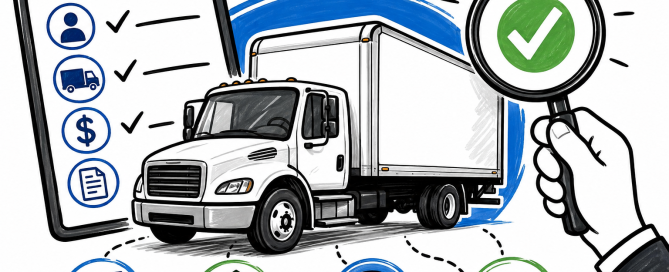
A box truck financing companies review for established businesses: compare lenders, terms, asset rules, documents, and funding support before buying wisely.
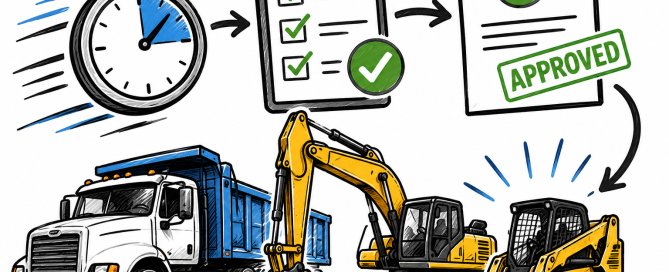
How fast is equipment funding? See what drives approval and funding timelines for qualified commercial trucks, trailers, and business equipment purchases.
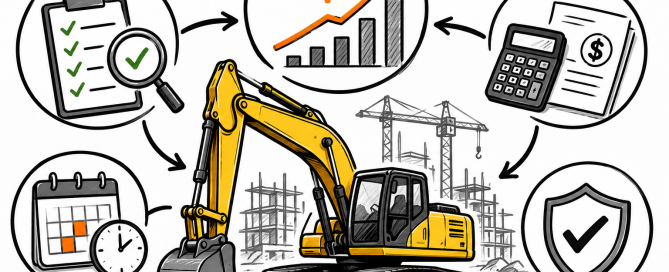
Learn how to finance construction equipment while protecting cash flow, evaluating terms, and preparing a lender-ready commercial equipment file today.

A vendor financing partnership program guide for dealers and manufacturers seeking equipment sales, qualified buyers, and commercial funding support.

Commercial electric vehicle financing trends are reshaping replacement decisions through battery, charging, residual-risk, and cash-flow considerations for fleets.