Fleet Replacement Trends Shaping 2026 Decisions
Fleet replacement trends are shifting toward uptime, lifecycle cost, and flexible financing. Learn how established businesses can plan asset upgrades.


A truck can be essential to next month’s revenue and still receive different financing terms than an almost identical truck purchased by another company. That is because what affects commercial equipment terms is not just the purchase price. Lenders and funding sources evaluate the borrower, the asset, the transaction, and the expected collateral value if the equipment must be resold.
For an established business, the goal is not simply to obtain an approval. It is to structure a transaction that supports cash flow, gets the asset into service, and fits the useful life of the equipment. A lower monthly payment may preserve working capital, but it can also mean a longer repayment period or a larger total financing cost. The right structure depends on the business need behind the purchase.
Commercial equipment terms typically include the repayment period, payment amount, down payment, interest rate or finance charge, payment frequency, advance rate, and any end-of-term purchase option in a lease structure. Each can move based on the strength and details of the deal.
A late-model sleeper tractor operated by a profitable carrier with a documented maintenance program is viewed differently from a high-mileage truck bought through a private seller by a company with thin financial records. Both may be financeable, but the available structures, documentation requests, and pricing can differ.
Credit remains a central consideration, especially for larger ticket transactions and longer terms. Lenders commonly review the business owner’s credit profile, the business’s payment history, existing debt obligations, and recent credit activity. Strong credit does not automatically determine the outcome, but it can support more flexibility in rate, term length, advance rate, and documentation requirements.
For established companies, commercial credit behavior matters as well. A business that has successfully managed prior equipment loans, leases, vehicle notes, or vendor accounts gives a funding source a clearer picture of repayment performance. Significant recent inquiries, unresolved derogatory items, or a history of slow payments may lead to a larger down payment, a shorter term, or additional conditions.
A business with several years of verifiable operating history usually presents less uncertainty than a newer operation. Time in business helps, but it is most useful when it is supported by consistent revenue, reasonable debt service, and a clear explanation of how the new asset will produce income or protect existing revenue.
Consider a towing company replacing an aging wrecker that is spending too much time in the shop. The equipment purchase may improve uptime and reduce repair exposure, but the transaction still needs to fit the company’s current cash flow. A lender may look at bank statements, financial statements, tax returns, or interim operating results depending on the request, borrower profile, and program.
Seasonality also matters. A landscaping contractor, roofing company, or construction business may generate uneven monthly revenue. In some situations, a structure with payment timing that better matches the operating cycle may be worth discussing. That flexibility depends on the funding source and the overall strength of the file.
The asset is collateral, so its type, condition, age, mileage, market demand, and expected useful life affect how a transaction is evaluated. Equipment that holds value well and has an active resale market is generally easier to structure than specialized equipment with limited secondary-market demand.
A new or late-model trailer, excavator, forklift, or commercial truck from a recognized manufacturer may support a longer repayment period than an older unit with high hours or high mileage. That does not mean older equipment is automatically excluded. It means the term may need to reflect remaining useful life, collateral risk, and the lender’s equipment guidelines.
For trucks, mileage, maintenance history, engine specifications, title status, and condition are often relevant. For construction and industrial equipment, operating hours, service records, attachments, and physical condition may be just as important. A well-maintained used excavator with documented hours can be more attractive than a newer machine with unclear history or significant wear.
Older assets often require more careful structuring. A shorter term can reduce the risk of carrying a loan balance longer than the equipment’s practical working life. On the other hand, a shorter term raises the monthly payment. Businesses need to weigh payment comfort against the risk of financing an aging asset too aggressively.
The intended commercial use of the asset gives context to the transaction. A box truck assigned to an established last-mile delivery contract, a rollback used by a recovery company with existing accounts, or a forklift added to a busy warehouse operation has a defined revenue role. Lenders want to understand that role.
Some assets are highly specialized. Ambulances, limousines, medical transport vehicles, vocational bodies, demolition equipment, and certain custom upfits can require closer review because resale markets may be narrower. The underlying chassis may carry value, but the body, conversion, and application can affect collateral treatment and available term options.
Down payment is one of the clearest ways to change a commercial equipment structure. More money down reduces the amount financed and can improve the loan-to-value position. That may help with an older asset, a private-party sale, a higher-mileage truck, or a transaction with tighter credit considerations.
Still, putting more cash down is not automatically the best business decision. A company replacing three trucks may prefer to preserve cash for payroll, fuel, insurance, tires, repairs, and operating reserves. Depending on the credit profile, asset, fleet history, and lender requirements, low-down or potentially zero-down structures may be available. They are not universal, and they should be evaluated against the payment level and total cost.
The financed amount can also include eligible soft costs in some transactions, such as certain taxes, delivery charges, or necessary equipment additions. Whether those items can be included depends on the asset, program, and documentation. A detailed purchase order helps avoid surprises after approval.
Where the equipment is purchased can affect the process. Purchases from established dealers and manufacturers often come with clear invoices, specifications, serial numbers, title information, and payoff coordination where needed. Those details can make underwriting and funding more straightforward.
Private-party purchases are common in commercial equipment, particularly for used trucks, trailers, and yellow iron. They can require additional verification of ownership, liens, condition, and purchase documentation. A low price may look attractive, but a missing title, unresolved lien, inaccurate serial number, or weak bill of sale can delay a deal that otherwise makes sense.
Documentation quality matters beyond the seller. Current bank statements, entity documents, insurance information, equipment quotes, and financial records should match the application. Inconsistent names, unexplained deposits, outdated registration documents, or incomplete invoices create avoidable questions.
For fleet operators, lenders may consider the broader picture rather than one unit in isolation. Existing fleet size, equipment age, maintenance practices, insurance coverage, utilization, and outstanding debt can all influence a request. A company adding two tractors to meet a documented freight opportunity is different from a company rapidly adding units while utilization and cash reserves are declining.
Current obligations are not necessarily a problem. Established businesses often use financing as part of normal capital planning. The question is whether existing debt payments and the proposed new payment fit the company’s revenue and operating margin. A healthy fleet replacement plan can be a positive factor when it shows disciplined management of uptime and asset cycles.
Term length should match the equipment’s role and expected service life. A longer term can lower the monthly payment and protect near-term cash flow. It may be appropriate for newer equipment expected to remain productive for years. But extending a term too far on an older truck or high-hour machine can leave the business with a payment after reliability has declined.
Payment frequency also deserves attention. Monthly payments are common, but some businesses prefer structures that align more closely with their receivables. A construction contractor billing by project milestones and a transportation company collecting weekly may evaluate payment timing differently. Availability depends on the funding source and deal profile.
Lease structures can introduce another decision: whether the business expects to own the equipment at the end, return it, or use a purchase option. The operational plan matters. Equipment expected to stay in the fleet for many years is often approached differently from equipment with a planned replacement cycle.
The strongest equipment finance request explains more than the make, model, and price. It shows why the asset is being acquired now, how it will be used, who is selling it, and how the payment fits the company’s operating plan.
Commercial Fleet Financing works with established businesses by reviewing those details early, then matching the transaction to appropriate funding sources and lender requirements. That can be particularly useful when the asset is specialized, used, privately purchased, or part of a broader fleet expansion.
Before requesting terms, gather a complete quote or invoice, equipment specifications, year and mileage or hours, seller details, recent business financial information, and a concise description of intended use. A well-prepared file gives everyone involved a clearer path to a structure that keeps the equipment working rather than sitting on the sidelines.
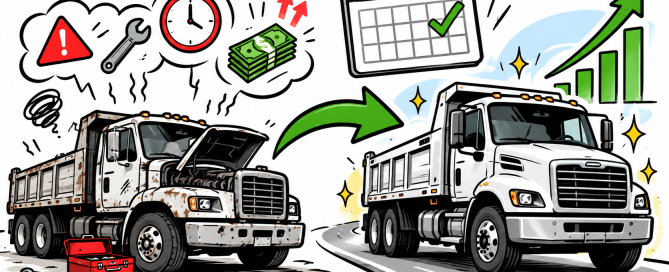
Fleet replacement trends are shifting toward uptime, lifecycle cost, and flexible financing. Learn how established businesses can plan asset upgrades.

This fleet expansion case study shows how established businesses can structure truck financing, protect working capital, and put assets to work faster.
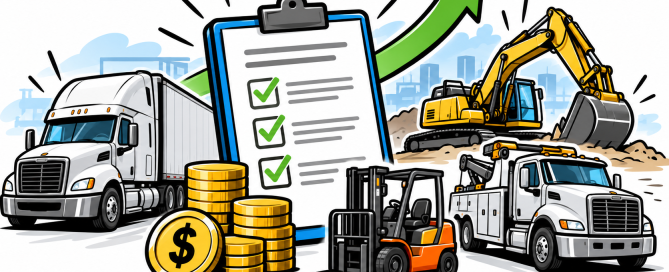
Compare commercial financing options for trucks and equipment, protect working capital, and put revenue-producing assets into service with confidence.
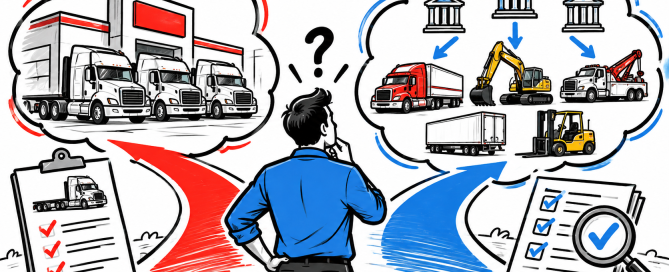
Finance broker versus captive financing: compare lender choice, equipment fit, approval variables, and cash flow before buying commercial assets today.
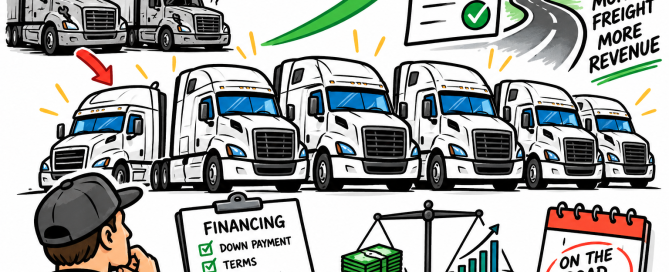
This multi unit fleet example shows how five commercial trucks can be financed while protecting cash flow, managing documents, and timing delivery well.