

How to Preserve Working Capital for Fleet Growth
A truck that is needed on a route next week, an excavator required for a signed project, or a wrecker replacing a unit with rising repair costs can force a difficult decision: use cash now or finance the asset. Knowing how to preserve working capital means treating that choice as an operating decision, not simply a question of the monthly payment.
For an established business, working capital supports payroll, fuel, insurance, maintenance, subcontractors, inventory, and the gaps between billing and collection. Equipment may produce revenue for years, but writing a large check for it can strain the cash needed to keep every other part of the business moving.
Why equipment purchases can pressure cash flow
Working capital is generally the difference between current assets and current liabilities. In day-to-day terms, it is the accessible financial capacity your business uses to meet near-term obligations. A company can be profitable on paper and still face pressure if receivables are slow, a major repair arrives, or a customer payment is delayed.
Commercial equipment purchases can consume that capacity quickly. A late-model tractor, dump truck, rollback, trailer package, ambulance, or piece of yellow iron may require a substantial cash outlay. That purchase can make sense over the asset’s useful life, but the timing may not match your cash conversion cycle.
This is especially relevant in industries with uneven payment patterns. A contractor may pay for equipment well before a project draw is received. A logistics company may need additional tractors before a new lane has produced several billing cycles. A towing operation may need a replacement unit immediately after an unexpected failure.
The goal is not to finance every asset automatically. The goal is to avoid turning a productive asset purchase into a short-term liquidity problem.
How to preserve working capital with equipment financing
Equipment financing can spread the acquisition cost over a term that better reflects how the equipment earns revenue. Instead of deploying all available cash at closing, the business retains funds for operating needs while making scheduled payments from ongoing revenue.
The right structure depends on the asset, its age and condition, your business profile, and how long you expect to keep it. New equipment with a predictable service life may support a different term than an older vocational truck, high-mileage tractor, specialized trailer, or used excavator. Lenders also consider seller type, purchase price, intended use, time in business, credit strength, debt profile, and fleet history.
A financing structure may include a down payment, monthly payment schedule, and end-of-term option appropriate for the transaction. Lower upfront cash requirements can be possible for qualified businesses, but they are never automatic. A larger down payment may reduce the financed amount and monthly obligation, while a smaller down payment may leave more cash available for operations. The better choice depends on the business’s expected cash flow, not just the lowest initial outlay.
For example, a regional carrier replacing two aging tractors might have enough cash to buy one unit outright. But using that cash could leave little room for tires, repairs on the remaining fleet, insurance renewals, and payroll during a slow-paying month. Financing both replacement units may allow the company to preserve a more workable cash reserve while improving uptime and reducing repair exposure.
Match the term to the equipment’s revenue life
A common mistake is selecting a financing term based only on the smallest monthly payment. Extending a term can improve immediate cash flow, but it also increases the total cost of financing and may leave an obligation in place after the equipment no longer fits the operation.
Shorter terms generally mean higher monthly payments but lower total financing cost. Longer terms can reduce payment pressure and protect cash flow, especially when equipment is entering service gradually or supporting a new contract. Neither approach is universally better.
Consider the equipment’s remaining useful life and expected utilization. A new box truck with a stable delivery route may justify a different approach than a used heavy-duty tow truck with specialized upfitting. For used equipment, age, mileage, engine hours, maintenance records, and resale market matter. Financing availability and structure can change materially when an asset is older or has unusually high use.
A practical question is: will the equipment generate enough gross margin, with room for maintenance and downtime, to comfortably support the payment? If the answer depends on perfect utilization or immediate customer collections, the structure may be too aggressive.
Keep a reserve for the costs financing does not cover
Financing the purchase price does not eliminate the operating costs of putting equipment to work. A business that preserves cash for these items is often in a stronger position than one that spends every available dollar on the asset itself.
Think through the full deployment cost, including registration, taxes where applicable, insurance, telematics, permits, initial maintenance, tires, fuel, driver onboarding, attachments, and upfitting. A construction company purchasing an excavator may also need buckets, transport arrangements, site support, and field repairs. A medical transport operator adding vehicles may need compliance-related equipment, insurance changes, and staffing before revenue begins.
Some costs may be included in a transaction depending on the equipment, vendor, and lender requirements, but that should be confirmed early. Do not assume that a quoted equipment price represents the entire cash requirement.
Use cash where it produces the best return
Cash is not free simply because it is already in the business account. Once used for a capital purchase, it cannot cover a surprise repair, take advantage of a supplier discount, support a larger contract, or bridge a delay in receivables.
That does not mean cash purchases are wrong. Paying cash can make sense when the business has substantial reserves, the asset is modestly priced, financing cost outweighs the value of retained liquidity, or the purchase is unlikely to disrupt operations. It can also simplify a transaction involving equipment that does not fit typical financing parameters.
But cash should be evaluated against alternatives. If a financed truck enables the business to retain enough liquidity to accept additional freight, maintain other units on schedule, and avoid expensive short-term borrowing later, the financing cost may be commercially reasonable. The decision should be based on total operating impact, not a single line item.
Improve the transaction before submitting it
Well-prepared equipment transactions generally move with less friction. Before seeking financing, assemble the information that helps a financing partner present the file accurately to appropriate funding sources.
For an established business, that often includes the equipment quote or purchase order, vendor details, year, make, model, VIN or serial number when available, mileage or hours for used equipment, and a clear description of intended commercial use. Financial information may include recent business bank statements, tax returns or financial statements, debt schedules, and proof of insurance, depending on the request and transaction size.
Be prepared to explain why the equipment is needed. Is it replacing a unit with recurring downtime? Supporting a contract award? Expanding capacity in a proven service area? Lenders and funding sources evaluate repayment capacity, but a credible operational purpose also helps establish the logic of the purchase.
Deal structure matters. A strong credit profile can still face added scrutiny if the equipment is older, the seller is private rather than an established dealer, the purchase price is outside normal market range, or the asset has a narrow resale market. Addressing those issues upfront can prevent avoidable delays.
Avoid the false economy of delayed replacement
Preserving working capital is not the same as postponing every purchase. Keeping an aging unit in service may appear cheaper than replacing it, yet frequent breakdowns can consume cash through repairs, rentals, missed work, overtime, and customer disruption.
Track repair frequency, downtime, utilization, and the cost of substitute equipment. When a truck or machine is becoming unreliable, compare its expected repair and interruption costs with the payment and operating costs of a replacement. The right time to finance may be before a failure forces the business into a rushed purchase with fewer choices.
This applies to fleet additions as well. If equipment demand is proven and additional capacity has a realistic path to revenue, waiting until cash accumulates may mean turning down profitable work. The key is disciplined forecasting, not expansion for its own sake.
Work with a financing partner that understands the asset
General business financing and equipment financing are not always evaluated the same way. The asset’s collateral value, age, mileage, use, and seller can influence available structures alongside the business’s credit and operating history.
A specialized equipment finance broker such as Commercial Fleet Financing can help established businesses compare potential structures across multiple funding sources, coordinate with vendors, identify documentation needs, and keep the purchase moving toward funding. Timing, terms, down payment, and approval outcomes remain dependent on the borrower, asset, documentation, lender requirements, and deal structure.
Before committing to a purchase, map the equipment’s expected revenue, all-in operating costs, delivery timeline, and cash reserve after closing. That exercise turns financing from a last-minute payment decision into a practical way to keep productive assets entering service without putting daily operations at risk.
Blog Articles
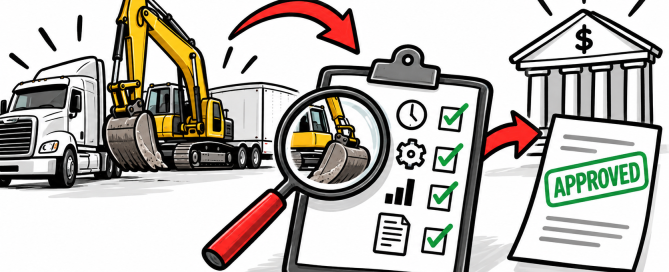
Equipment Collateral: What Lenders Evaluate
Learn how equipment collateral affects commercial financing, from asset value and condition to advance rates, documentation, and deal structure decisions.
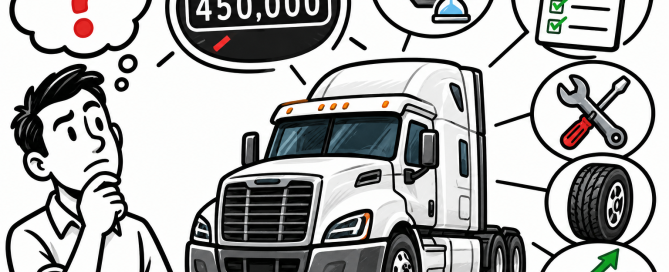
Evaluate Commercial Truck Mileage Before You Buy
Learn how to evaluate commercial truck mileage before buying or financing, using engine hours, service records, asset age, and intended duty cycle needs.
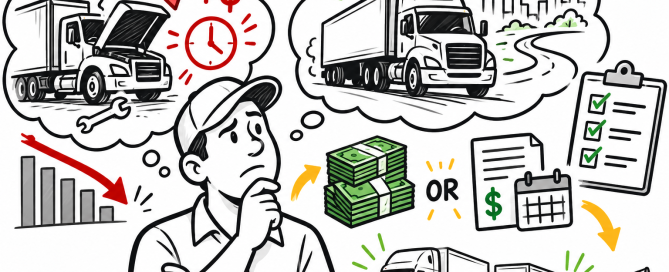
How Fleet Cash Flow Shapes Equipment Decisions
Fleet cash flow affects uptime, buying power, and growth. Learn how established businesses can plan equipment purchases while protecting working capital.
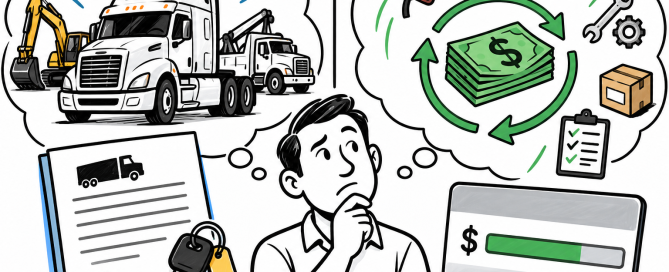
Fleet Loans Versus Credit Lines Compared
Compare fleet loans versus credit lines for equipment purchases, repairs, and expansion. See how terms, collateral, cash flow, and timing shape the choice.
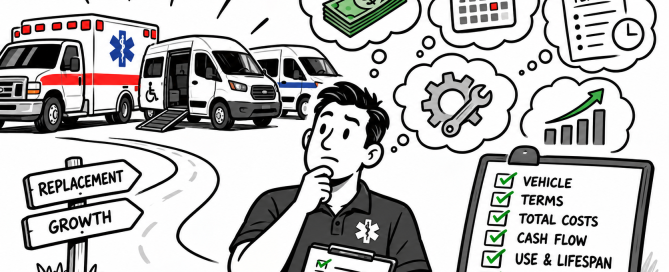
Medical Transport Financing Review: What to Check
This medical transport financing review explains how established operators can compare terms, protect cash flow, and put the right vehicle in service.