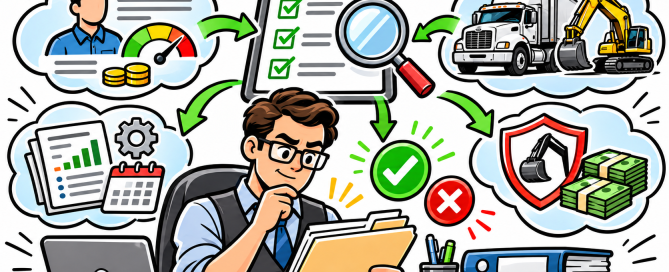
How to Coordinate Dealer Equipment Funding Deals
Learn how to coordinate dealer equipment funding, align documents and delivery, and keep qualified commercial equipment purchases moving forward on time.

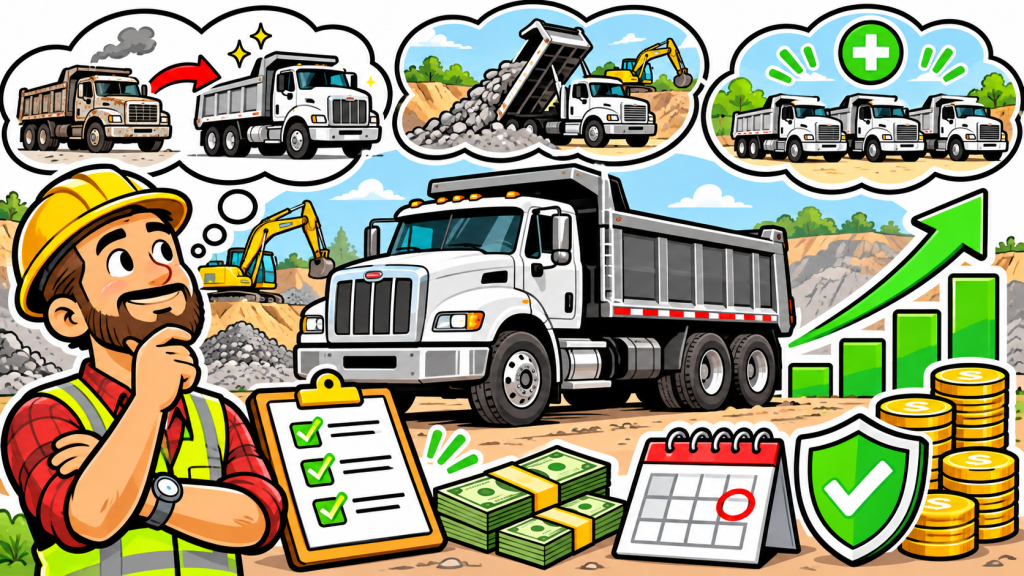
A dump truck that is parked for transmission work, hydraulic repairs, or repeated DOT issues is not just a maintenance problem. It can disrupt crews, delay loads, force expensive rentals, and put a contract at risk. Knowing how to finance dump trucks starts with treating the purchase as an operating decision: match the financing structure to the truck’s expected revenue, useful life, and role in the fleet.
For an established contractor, hauler, quarry operator, or municipal vendor, the right transaction is rarely just about the monthly payment. The truck configuration, seller, age, mileage, down payment, and business profile can all affect available terms and the documentation required to close.
Before requesting financing, define what the dump truck will do and when it needs to enter service. A tandem-axle dump for aggregate hauling has a different duty cycle, body specification, and resale profile than a single-axle unit used by a landscaping company or a roll-off truck serving demolition sites.
Lenders and funding sources generally want to see a clear business-use case. That does not require a lengthy business plan from an established company, but it does mean the transaction should make commercial sense. Is the truck replacing an aging asset with rising repair costs? Is it supporting a signed contract, new territory, or a larger hauling capacity? Will it operate under an existing customer base with documented revenue?
The answers help determine whether the asset is sized appropriately and whether the proposed payment fits the company’s operating cash flow. A truck that will run five days a week on established routes may support a different structure than a specialty truck used seasonally or only when certain projects are active.
New dump trucks typically offer longer potential terms, predictable maintenance coverage, and more current engine, safety, and body specifications. Those factors can make planning easier for fleets that expect to keep the truck for years. The tradeoff is the higher purchase price and, in some cases, longer lead times for a chassis or body build.
Used dump trucks can reduce the acquisition cost and may be available immediately. For a buyer who needs to replace a failed unit quickly, availability can be as important as price. But used-equipment financing is more sensitive to asset age, mileage, condition, make and model, and remaining useful life.
A clean, well-maintained late-model truck from an established dealer may be easier to finance than an older unit with high mileage, incomplete service records, or an unusual body configuration. Independent seller transactions can be financeable, but they often require more diligence. Expect the funding source to review the title status, VIN, purchase agreement, payoff information when applicable, photos, and sometimes an inspection or appraisal.
Most commercial dump truck acquisitions are structured as either an equipment finance agreement, a loan, or a lease. The best fit depends on ownership goals, equipment life, payment objectives, and the company’s balance-sheet preferences.
With a finance agreement or loan, the business typically makes scheduled payments and owns the truck after satisfying the contract terms. This is often a practical choice for fleets buying a truck they expect to operate well beyond the financing period. Payment terms may be structured around the asset’s age and expected useful life, subject to the borrower profile and funding source guidelines.
A lease can make sense when a business wants a defined term, potential end-of-term flexibility, or a payment structure aligned with replacement cycles. The details matter. A lease with a fixed purchase option has different economics from one with a residual or fair-market-value component at the end. Fleet leadership should understand the end-of-term obligation before comparing payments.
The lowest payment is not automatically the strongest deal. Extending the term can preserve monthly cash flow, but it may increase total financing cost and leave a balance outstanding longer. A larger down payment can reduce the financed amount, but tying up too much cash may weaken the company’s ability to handle fuel, payroll, tires, insurance deductibles, or a second equipment opportunity.
The amount financed may include more than the chassis price. Depending on the transaction and program, it may also include the dump body, tarp system, lift axle, wet kit, PTO, equipment installation, delivery, taxes, title fees, and certain warranties or service contracts. Financing eligible soft costs alongside the asset can help preserve working capital, though availability varies by lender and deal structure.
Ask the seller for a detailed quote rather than a single all-in figure. The quote should identify the chassis, body manufacturer, upfits, freight, taxes, and any deposits already paid. A detailed equipment description prevents last-minute changes when the invoice reaches underwriting.
For custom builds, confirm the payment schedule with the dealer or body builder. Some transactions involve deposits or progress payments before final delivery. Not every funding source handles these arrangements the same way, so bring the build timeline forward early in the financing discussion.
Established businesses generally present a stronger file when their operating history and equipment plan are documented clearly. Credit strength matters, but it is not the only consideration. Funding sources may also review time in business, annual revenue, cash flow, existing debt, payment history, fleet size, industry experience, and the relationship between the truck cost and the company’s scale.
For a larger request, recent business bank statements, financial statements, and tax returns may be requested. A simpler transaction involving a strong borrower and a conventional late-model truck may require less documentation. Requirements vary by funding source, requested amount, asset, and transaction structure.
A few practical details can improve the process:
Clear documentation helps a financing partner place the transaction with sources that understand vocational equipment instead of forcing a dump truck deal into a generic vehicle program.
Down payment expectations are not uniform. Qualified established businesses may have access to low-down or, in some cases, zero-down structures, but those outcomes depend on credit profile, fleet history, asset characteristics, time in business, documentation, and lender requirements. A used truck, a specialized body, or a thinly documented transaction may call for more borrower equity.
Timing also depends on more than a credit decision. The process includes obtaining a complete invoice, confirming the seller, reviewing equipment details, satisfying insurance requirements, collecting final documents, and coordinating funding. Well-prepared transactions can move quickly, while title issues, custom builds, missing VINs, or changes to the quote can add time.
Do not wait until the truck is sitting on a lot with another buyer interested. Begin the financing conversation when the replacement need is identified, then keep the equipment search and approval work moving in parallel. That approach gives the business more room to compare trucks and negotiate from a position of readiness.
Dump truck financing requires more than matching an application to a payment table. The financing source needs an accurate picture of the asset, the seller, the operator, and the revenue purpose behind the purchase. That is especially true for higher-mileage used units, multi-truck acquisitions, custom body builds, and transactions involving trade-ins or existing payoffs.
Commercial Fleet Financing works as a specialized equipment finance broker and financing partner, helping qualified businesses evaluate structures and access multiple funding sources. The process can include reviewing equipment quotes, identifying lender requirements, coordinating with vendors, and supporting documentation through funding.
A well-structured dump truck transaction should leave the business with equipment that is ready to work and enough operating flexibility to keep the rest of the fleet moving. Start with the truck’s job, present a complete file, and weigh the full cost of ownership alongside the payment.

Learn how to coordinate dealer equipment funding, align documents and delivery, and keep qualified commercial equipment purchases moving forward on time.
See how lender underwriting evaluates your business, equipment, cash flow, and documents so you can structure a commercial equipment deal with less delay.
A truck lease comparison for established fleets: evaluate payments, mileage, residual risk, tax treatment, uptime, and end-of-term obligations before sign.
Electric truck financing can preserve working capital while you evaluate range, charging, payload, incentives, and lender requirements for fleet use today.
Learn what affects commercial equipment terms, from credit and cash flow to asset age, mileage, down payment, documentation, and lender fit for your deal.