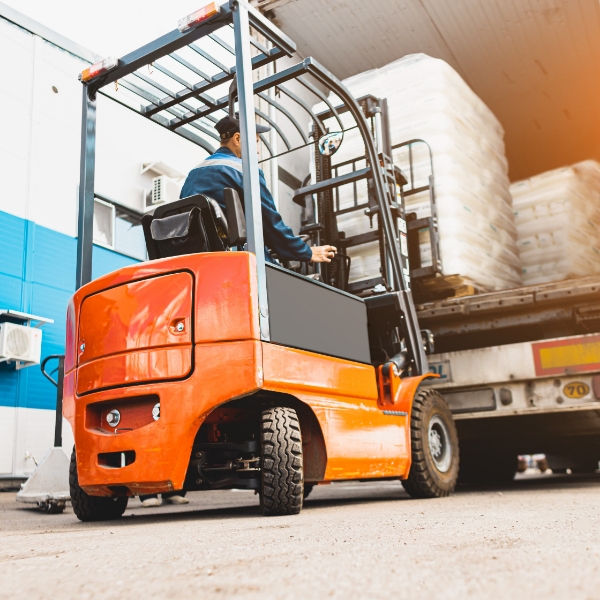
Forklift Financing: Fund the Right Fit
Forklift financing helps established businesses preserve cash, replace aging equipment, and add capacity while matching payments to productive use daily.

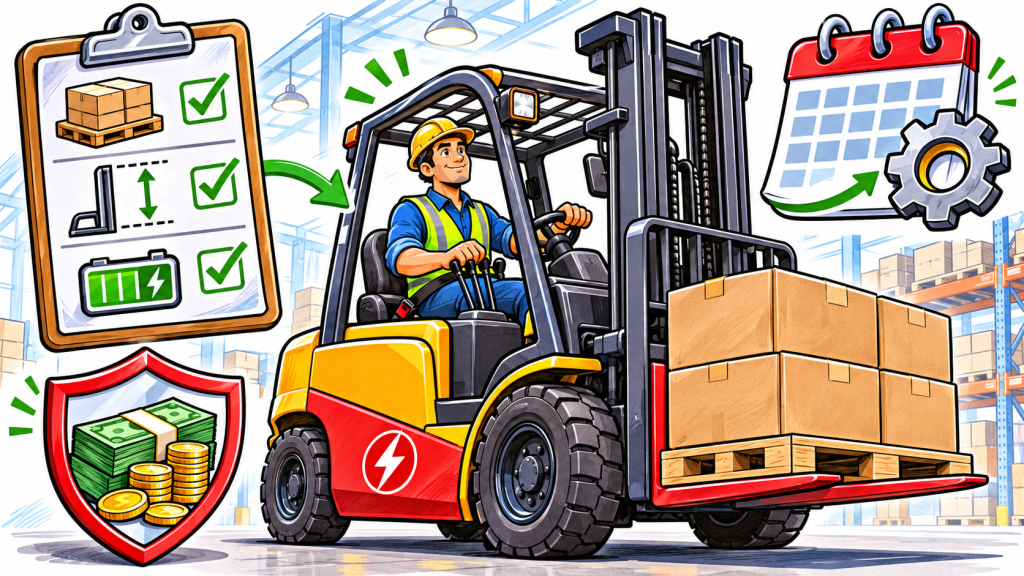
A forklift that is down in a busy warehouse, yard, plant, or jobsite can create costs far beyond the repair invoice. Loads wait, crews lose time, deliveries slip, and operators may be forced to work around equipment that no longer fits the job. Forklift financing gives established businesses a way to replace, upgrade, or add material-handling equipment without tying up all available working capital in one purchase.
The right structure depends on more than the price of the truck. Lenders and funding sources typically look at the borrower’s operating history, credit profile, existing equipment base, the forklift’s age and configuration, seller type, and how the asset will produce or protect revenue. A well-prepared transaction can keep the focus where it belongs: putting dependable equipment to work.
Buying a forklift with cash may be practical for a lower-cost unit or a business with excess liquidity. But cash is also needed for payroll, inventory, fuel, maintenance, insurance, seasonal swings, and unexpected repairs elsewhere in the fleet. Financing can spread the acquisition cost over a useful operating period while preserving capital for those demands.
The strongest case is often an equipment replacement decision. An older forklift may still run, but recurring downtime, limited lift capacity, battery problems, unavailable parts, or higher maintenance bills can make continued use more expensive than it appears. Replacing it before failure disrupts operations gives the business more control over vendor selection, delivery timing, and transaction structure.
Expansion is another common reason. A distributor adding warehouse space, a contractor taking on a larger materials yard, or a manufacturer increasing production volume may need additional lift capacity before the new work is fully reflected in historical financial statements. In that situation, the equipment’s expected role in revenue production matters, along with the company’s demonstrated ability to support the obligation.
Forklift financing is not limited to a standard electric warehouse truck. Depending on the transaction and funding source, eligible assets can include electric rider forklifts, internal-combustion lift trucks, reach trucks, order pickers, pallet stackers, rough-terrain forklifts, telehandlers, and certain specialized industrial material-handling equipment.
The transaction may also include business-use accessories when they are part of the purchase and clearly identified by the seller. Examples can include fork positioners, sideshifters, clamps, fork extensions, battery chargers, lithium-ion batteries, and other attachments. Including these items in the original equipment quote is generally cleaner than trying to finance them separately after the forklift has been delivered.
Asset suitability matters. A three-wheel electric forklift built for smooth indoor warehouse floors is not a substitute for a rough-terrain unit working on uneven construction ground. The right equipment should be evaluated against lift height, load capacity, aisle width, duty cycle, fuel or battery requirements, indoor or outdoor use, and operator environment. Financing a machine that cannot reliably perform the required work is not a good capital decision, regardless of the monthly payment.
Commercial equipment financing is underwritten as a complete transaction, not simply as a credit score. Strong personal and business credit can help, but it is only one part of the file. Established businesses with documented revenue, a stable operating history, and a clear commercial use for the equipment are generally easier to place than businesses with limited history or inconsistent documentation.
The forklift itself also affects available structures. New equipment from an established dealer is often more straightforward than an older unit purchased through a private seller. Used forklifts can be financeable, but lenders may consider the model year, operating hours, condition, maintenance history, remaining useful life, and resale value. A late-model used Toyota, Hyster, Yale, Caterpillar, Crown, Raymond, or similar commercial-grade unit may be viewed differently from an aging or lightly documented machine with an uncertain service history.
Down payment requirements vary. Qualified borrowers may have access to low-down-payment or, in some cases, zero-down structures, but those outcomes are conditional. Credit strength, time in business, financial performance, equipment cost, asset age, and lender requirements all affect the final structure. A larger down payment can reduce the amount financed and may improve payment flexibility, but it also uses cash that could support operations.
Term length should be matched to the equipment and the business plan. A shorter term can reduce total financing cost and build equity more quickly. A longer term may lower the monthly payment and preserve cash flow. Neither choice is automatically better. The useful life of the forklift, expected utilization, maintenance outlook, and replacement cycle should guide the decision.
Businesses often use the word “loan” for any equipment transaction, but several structures may be available. An equipment finance agreement or loan typically supports ownership of the forklift after the obligation is paid. This can be a sensible fit for businesses that expect to keep a well-maintained unit for many years.
A lease structure may provide a different payment, end-of-term, or upgrade approach. It can make sense for businesses that rotate equipment on a defined cycle, want to manage monthly cash flow, or expect operating needs to change. The specific end-of-term options should be understood before signing. A lower payment can involve a residual amount, purchase option, return condition, or other obligation that affects the total economics.
The best comparison is not just the monthly payment. Review the total amount paid, term, payment frequency, down payment, end-of-term obligations, documentation requirements, insurance requirements, and any conditions tied to delivery or acceptance. For a forklift expected to run multiple shifts for years, a structure that looks inexpensive at the start may be less attractive if it does not align with replacement plans.
A clean equipment package can reduce avoidable back-and-forth. The exact requirements depend on the borrower, amount requested, and funding source, but the basics often include a detailed equipment quote or invoice, business information, ownership details, and financial documentation appropriate to the size and complexity of the request.
The vendor quote should identify the forklift by make, model, year when applicable, serial number if available, purchase price, attachments, freight, installation, and applicable taxes or fees. If the unit is used, maintenance records, photographs, operating hours, and seller details may become more relevant. A dealer sale and a private-party sale can require different review steps.
Borrowers should also be ready to explain intended use in practical terms. A lender or financing partner may need to understand whether the machine will support warehouse distribution, construction materials handling, manufacturing, landscaping supply, lumber movement, recycling, or another revenue-producing operation. For a business with an existing fleet or equipment base, a concise explanation of where the forklift fits into operations can be more useful than a generic statement that it is needed for growth.
Consider a contractor with an older rough-terrain forklift used to unload materials at active jobsites. The machine has become increasingly unreliable, and a major repair is possible, but the company also has labor, fuel, and subcontractor costs to manage. Paying cash for a replacement could strain the operating account during a busy season.
Financing a newer unit may allow the contractor to preserve cash while moving into a more dependable machine with the required lift capacity and jobsite capability. The decision should still account for the used unit’s age, the seller’s documentation, maintenance expectations, and the projected payment relative to the company’s work volume. If the replacement reduces delays and helps crews keep jobs moving, the equipment may support its own cost through better uptime and productivity.
Forklift transactions are often smaller than a fleet-truck acquisition, but they deserve the same attention to equipment fit, documentation, and cash flow. A specialized equipment finance broker can evaluate the transaction, coordinate with the vendor, and seek an appropriate fit among multiple funding sources rather than treating the purchase as a generic business expense.
Commercial Fleet Financing works with established businesses nationwide that need revenue-producing equipment, including forklifts and industrial assets. The process begins with the equipment quote, business profile, intended use, and timing. Approval decisions and funding timelines depend on the borrower, asset, documentation, lender requirements, and deal structure, but clear information from the start helps remove friction.
Before committing to a forklift, compare the machine’s capability to the work it will perform, confirm the seller can document the asset properly, and choose a payment structure that leaves room for the rest of the operation. The goal is not simply to acquire a forklift. It is to put dependable capacity into service without weakening the cash flow that keeps the business moving.

Forklift financing helps established businesses preserve cash, replace aging equipment, and add capacity while matching payments to productive use daily.

See an owner operator truck financing example with payment math, cash-flow checks, lender factors, and documentation for established carriers before you buy.

An equipment broker review helps established businesses assess lender access, knowledge, terms, documentation support, and reliable funding execution.
Use this guide to fleet cash flow to time equipment purchases, protect working capital, and keep revenue-producing trucks and machines in daily service.
Finance broker versus direct lender: compare lender access, deal structure, speed, and support for commercial equipment purchases for established fleets.