How to Plan Equipment Replacements Without Gaps
Learn how to plan equipment replacements around uptime, cash flow, resale value, and financing so your fleet stays productive as assets age and costs rise.

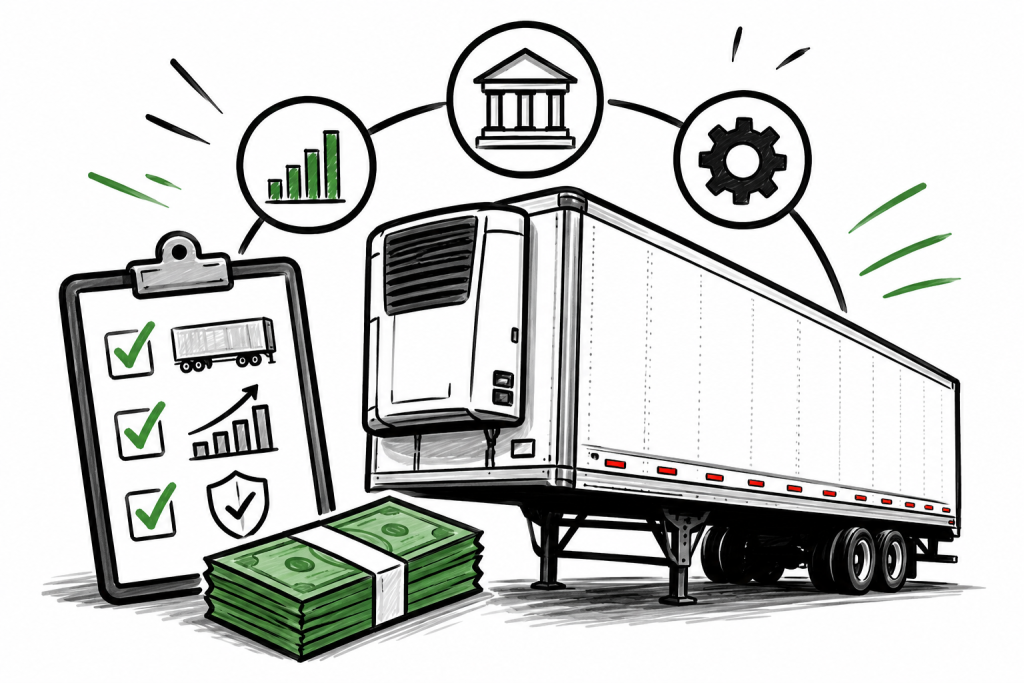
A trailer sitting on a dealer’s lot does not move freight, haul equipment, or create billable capacity. The right financing structure can help an established business put that asset into service while preserving working capital for fuel, payroll, insurance, repairs, and the rest of the operating cycle. That is why evaluating the best trailer financing companies should start with more than an advertised payment or a headline rate.
For a fleet owner, CFO, or operations manager, the best fit depends on the trailer, seller, business profile, and intended use. A new refrigerated trailer bought from an authorized dealer presents a different credit and collateral profile than a 12-year-old detachable lowboy purchased from a private seller. The financing source that works well for one transaction may not be the right choice for the other.
The best financing company is usually the one that understands both the asset and the transaction. It should be able to identify lender programs that align with the trailer’s age, value, condition, and commercial use, then help structure a request that makes sense for the borrower’s cash flow and replacement plan.
For established companies, the evaluation should include practical questions. Does the financing source regularly handle trailer-only transactions? Will it consider the equipment’s age at the end of the proposed term? Is it comfortable with the seller type? Can it accommodate a purchase from a dealer, auction, or private party when appropriate? Does it understand that a trailer may be part of a larger expansion, replacement, or fleet-standardization plan?
A low monthly payment is useful only if the term, residual assumptions, down payment, and total financing cost fit the business. Extending a term can reduce the payment, but it may also leave the company owing more than the trailer is worth later in its service life. A shorter term builds equity faster, though it places more pressure on monthly cash flow.
Commercial trailer financing is not a one-size-fits-all market. Several types of providers may participate in a transaction, and each has a different role.
Banks and credit unions can be a strong option for established businesses with substantial deposits, long operating histories, and a relationship-based credit profile. They may offer favorable terms when the trailer is newer, the borrower is financially strong, and the request fits their collateral policies.
The tradeoff is that a traditional institution may have a narrower credit box. Older trailers, specialty configurations, private-party purchases, titled-equipment issues, or more complex fleet transactions can require additional review. The documentation process may also be less flexible when timing is tight.
Some trailer manufacturers and major dealers offer financing programs connected to their product lines. These programs can be efficient when a business is purchasing new equipment from that manufacturer or dealer, especially when the equipment specifications, invoice, and delivery process are straightforward.
Captive programs may not be the best answer for every fleet, however. They can be limited to specific brands, dealer networks, new assets, or program terms. A company buying used trailers, multiple brands, or equipment from an independent seller may need broader financing options.
Some specialized lenders focus on transportation and equipment assets. Their underwriting teams may understand trailer values, fleet utilization, commercial insurance, and business cash flow more deeply than a general-purpose lender.
Their fit still depends on the request. A lender may prefer certain trailer classes, minimum transaction amounts, newer collateral, or borrowers with established fleet history. It is worth asking whether the lender finances the exact trailer type and age range under consideration before investing time in a full application.
A specialized equipment finance broker can be valuable when the transaction needs lender matching and deal structure support. Rather than relying on one lending program, a broker works to place qualified requests with financing sources that may fit the borrower, asset, and transaction.
This can matter when a business is financing several trailers, combining trailers with tractors or vocational equipment, purchasing used equipment, replacing aging units, or working under a tight vendor delivery schedule. Commercial Fleet Financing, Inc. operates in this role, helping established businesses evaluate financing options, organize documentation, coordinate with sellers, and move a well-structured request through the funding process.
A financing source evaluates both the borrower and the collateral. Strong personal and business credit matters, but it is not the only factor. Lenders want to see whether the business has the operating history, revenue, liquidity, and fleet experience to support the proposed obligation.
For the trailer itself, underwriters generally look at its type, year, condition, value, title status, and expected useful life. A new dry van, refrigerated trailer, flatbed, step deck, dump trailer, tanker, car hauler, or specialized vocational trailer can have different resale markets and lender appetite. Specialty assets are not necessarily difficult to finance, but the financing source needs to understand what the unit is, how it will be used, and how readily it can be valued.
Asset age is particularly important. A lender may set a maximum age at the end of the term, not just at purchase. For example, financing a five-year-old trailer over 60 months may be acceptable to some programs but outside the policy of others. Mileage is usually more central to tractors than trailers, but condition, maintenance, corrosion, floor integrity, tires, refrigeration equipment, and inspection history can affect value and underwriting on used units.
Seller type also matters. Purchases from established dealers are often easier to document because the invoice, title process, payoff information, and equipment details are clearer. Private-party and auction purchases can still be workable, but they may require more diligence around ownership, liens, serial numbers, condition, and payment instructions.
When comparing trailer financing companies, ask for enough information to evaluate the full structure. The proposed amount financed, term length, payment frequency, down payment, documentation requirements, and end-of-term ownership terms all affect the business decision.
A finance agreement may be structured for ownership, while a lease structure may prioritize payment flexibility or a different end-of-term approach. The appropriate option depends on how long the company expects to keep the trailer, whether it wants a predictable replacement cycle, and how the equipment fits the broader fleet plan. Tax treatment should be discussed with the company’s tax advisor rather than assumed from a financing quote.
Down payment is another area where context matters. Strong, established borrowers financing newer equipment may qualify for lower-down-payment structures in some cases. Other transactions may require more cash upfront because of asset age, seller type, credit profile, advance rate, or lender policy. The goal is not simply to minimize the down payment. It is to retain enough liquidity to operate the asset properly after it enters service.
Well-prepared documentation can reduce avoidable delays. Requirements vary by lender and transaction, but established businesses should be ready to provide a recent equipment quote or purchase order, business information, ownership details, and financial documentation requested for the credit review.
For used trailers, clear photos, the VIN, title details, payoff information when applicable, and a detailed description of the unit can be especially helpful. If the trailer is being added to a dedicated contract, route expansion, construction operation, or replacement plan, explaining the intended use can strengthen the overall story behind the request.
A business replacing several older trailers may also benefit from presenting the transaction as a fleet-management decision rather than a stand-alone purchase. Underwriters often respond better when they can see how the new equipment improves capacity, reliability, safety, or maintenance planning.
Before selecting among the best trailer financing companies, ask whether the provider regularly finances your trailer category, whether the proposed term works with the asset’s age, and what conditions could affect approval or funding. Confirm how it handles dealer purchases, private sellers, titles, insurance evidence, and vendor payment.
Also ask who will manage the transaction after the initial application. A responsive financing partner should be able to explain outstanding requirements, coordinate with the seller, and keep the process moving without leaving the buyer to interpret lender requests alone. Faster decisions or funding may be possible for well-qualified businesses with complete documentation, but timing always depends on the credit profile, asset, seller, lender requirements, and final deal structure.
The right trailer financing company is not necessarily the one with the loudest advertising. It is the one that can assess the equipment realistically, structure the transaction around your operating needs, and help get a revenue-producing trailer into service without creating an avoidable cash-flow problem.
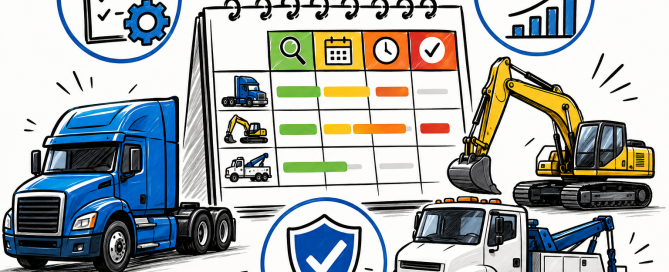
Learn how to plan equipment replacements around uptime, cash flow, resale value, and financing so your fleet stays productive as assets age and costs rise.
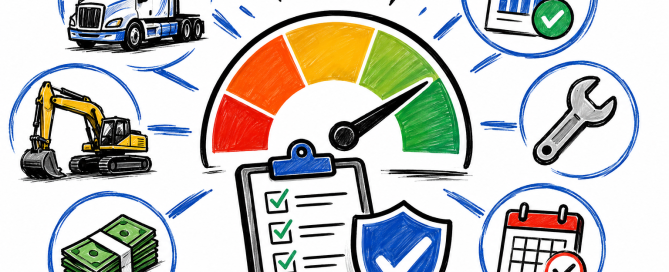
What credit score matters in commercial equipment financing? Learn how business and personal credit, asset quality, and deal structure affect options.
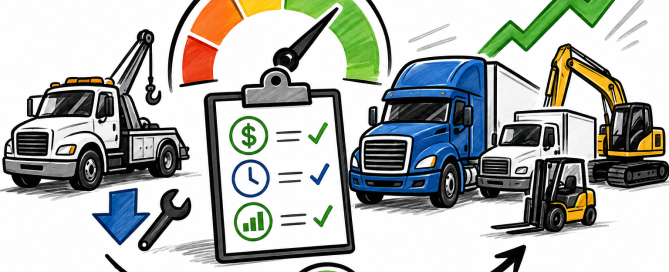
Learn when fleet financing makes sense for replacing aging equipment, preserving working capital, and adding capacity without disrupting daily operations.
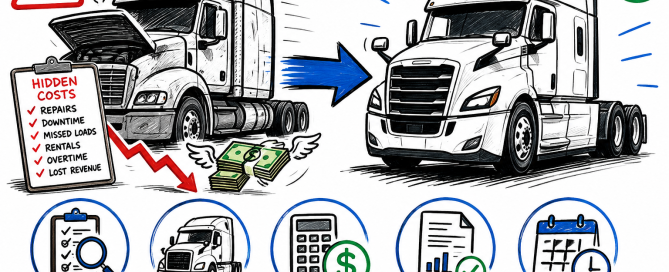
A truck replacement financing guide for established fleets: compare structures, protect working capital, and put dependable equipment into service faster.
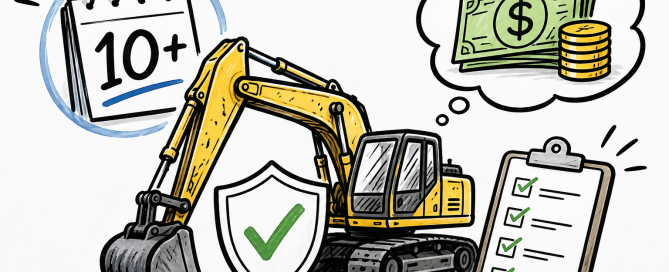
Can businesses finance older equipment? See how asset age, mileage, condition, seller type, and borrower strength affect commercial financing options.