Top Fleet Acquisition Strategies for Growing Businesses
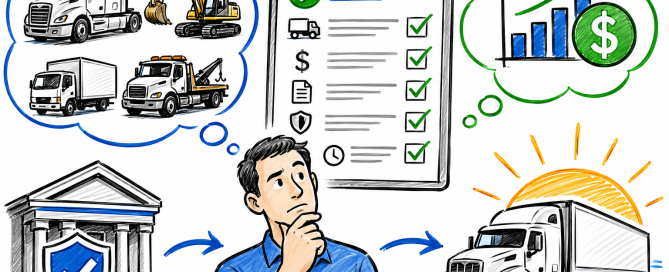
Compare top fleet acquisition strategies for replacing, expanding, and financing commercial vehicles while protecting cash flow and uptime with confidence.

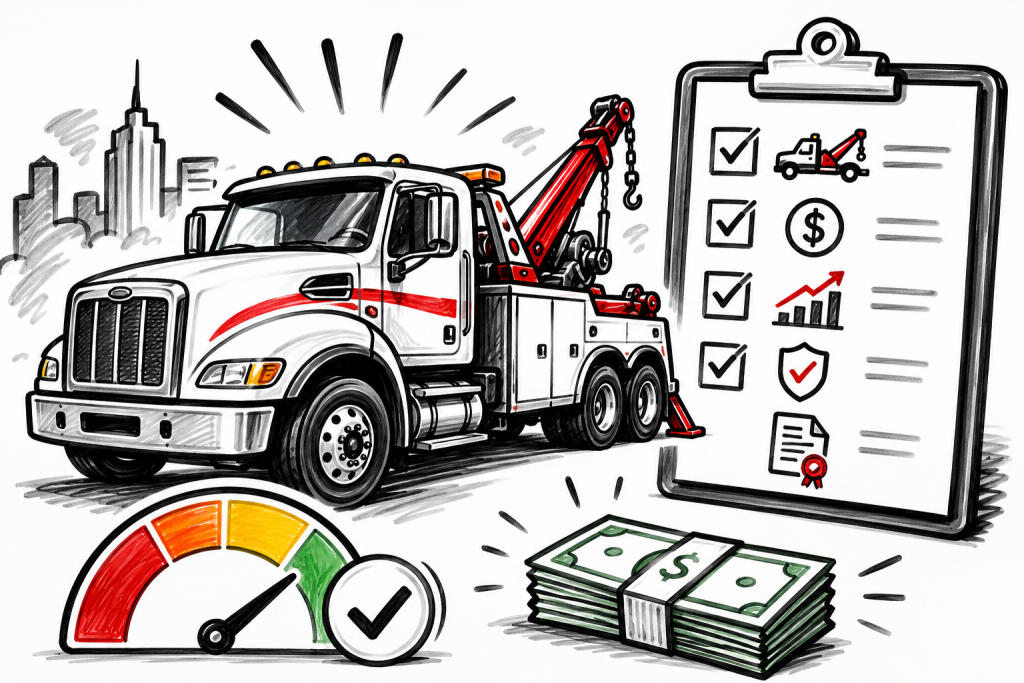
A wrecker that is down for a week is not simply a repair expense. It can mean missed police rotation calls, delayed motor-club work, strained customer relationships, and an overworked backup unit. Tow and recovery fleet financing gives established operators a way to replace or add revenue-producing equipment without tying up all available cash in one purchase.
The right structure depends on far more than the truck’s purchase price. A lender will look at the business behind the asset, the age and condition of the truck, the seller, the requested term, and whether the payment fits documented cash flow. For fleet operators, the goal is usually straightforward: put dependable equipment in service while preserving working capital for payroll, insurance, fuel, repairs, payroll taxes, and daily operations.
A financing decision should begin with the operating role of the equipment. A light-duty rollback serving dealerships and roadside calls has a different revenue pattern, purchase price, and wear profile than a heavy-duty rotator used for tractor-trailer recoveries, cargo shifts, and municipal response work. The right truck is not necessarily the newest or highest-capacity unit available. It is the unit that fits the calls, territory, staffing, and expected utilization of the business.
For example, a company replacing a high-mileage rollback may prioritize a newer truck with lower downtime risk and predictable maintenance. A business expanding its heavy-duty division may need a larger down payment or a longer financing term because the equipment cost is materially higher and the dispatch volume may build over time. A lender and financing partner will generally want to understand the intended use, expected revenue source, and how the new unit fits within the existing fleet.
Equipment configuration matters as well. Chassis age, miles, engine condition, wheel-lift capacity, deck length, winches, underlift equipment, and specialized recovery gear can affect both value and financeability. A well-documented truck from an established dealer may be easier to place than an older unit with incomplete service history from a private seller. That does not mean used equipment cannot be financed. It means the asset, seller, and file need to support the request.
Established towing and recovery businesses are typically evaluated as commercial borrowers, not as consumer vehicle buyers. The emphasis is on operating history, repayment capacity, credit profile, and collateral quality.
Time in business is often meaningful. A company with several years of documented operations, recurring commercial accounts, and existing fleet experience generally presents a different risk profile than a newly formed company purchasing its first truck. Fleet history can help demonstrate that management understands maintenance costs, insurance requirements, dispatch operations, and utilization.
Financial documentation should match the size and complexity of the request. Depending on the transaction, this may include recent business bank statements, business tax returns, interim financials, debt schedules, equipment lists, and a purchase invoice or buyer’s order. Larger requests, heavy-duty equipment, or a more leveraged balance sheet may require a deeper review. Providing clean, consistent documents early can prevent avoidable delays.
Personal and business credit are both relevant in many commercial equipment transactions. Strong credit can broaden available structures, but credit alone does not resolve an equipment or cash-flow concern. Lenders also consider existing debt, payment history, liquidity, profitability, and whether the business has sufficient capacity to operate the truck before its revenue ramps up.
The seller matters, too. New equipment dealers and established commercial truck dealers usually provide the invoices, specifications, title information, and payoff details lenders need. Private-party purchases can be workable, but they often involve additional verification of ownership, lien status, condition, and transaction documentation. Those added steps can affect timing.
The lowest monthly payment is not automatically the best financing outcome. Extending the term can preserve monthly cash flow, particularly when a company is adding capacity or managing seasonal volume. The tradeoff is that a longer term may increase total financing cost and can leave the borrower with a balance that takes longer to align with the truck’s resale value.
A shorter term can reduce total cost and build equity faster, but it creates a higher monthly obligation. That may work well for an established operator with strong margins and stable contract revenue. It may be less suitable for a company absorbing new insurance costs, hiring drivers, or entering a heavier recovery segment.
Down payment is another practical lever. More money down can reduce the payment and improve the transaction’s overall structure. However, using too much cash for the purchase can leave the business exposed when a second truck needs repairs or insurance renewals arrive. In some qualified transactions, low-down-payment or potentially zero-down options may be available, but they depend on the credit profile, time in business, fleet experience, asset, documentation, lender requirements, and complete deal structure.
There is also a distinction between financing the truck itself and financing the complete ready-to-work package. A rollback, wrecker body, recovery unit, toolboxes, lighting, and certain installed equipment may need to be shown clearly on the invoice. If the business is buying a chassis and having a body installed separately, coordination between vendors and clear documentation are especially important. The financed asset should reflect what the lender is being asked to fund.
New equipment offers warranty coverage, current specifications, and a known starting point for maintenance. It may also support longer terms in some cases. The downside is the larger capital commitment and, depending on the build, lead times before the truck can begin earning.
Used tow trucks can get into service faster and may require less capital, especially when the buyer finds a properly maintained unit with the right configuration. The tradeoff is diligence. High engine hours, mileage, hydraulic wear, corrosion, frame condition, winch condition, and incomplete service records can create operational and financing concerns. A lower purchase price does not help much if the truck needs major work shortly after delivery.
For used equipment, operators should request detailed photos, serial or VIN information, maintenance records when available, and a clear description of included equipment. If a truck is being purchased from an auction, remember that lender requirements and inspection expectations may differ from a dealer transaction. The best purchase is one that meets the operation’s needs and can be reasonably supported by the available financing structure.
Adding trucks can increase revenue, but only when the business has the calls, drivers, insurance capacity, and dispatch coverage to support them. Before committing to another unit, management should define whether the purchase is replacing downtime, covering a contract, adding a service area, or pursuing higher-value recovery work.
That distinction affects the file. A replacement truck can be easier to explain when the outgoing unit has become unreliable or expensive to maintain. An expansion purchase may benefit from support such as customer contracts, dispatch trends, historical utilization, or evidence of existing demand. Lenders do not need a sales pitch. They need a credible picture of how the payment will be supported.
Operators should also account for costs outside the invoice: commercial insurance changes, licensing, inspections, decals, GPS and dispatch hardware, driver wages, fuel, storage, and initial maintenance. These expenses are why preserving working capital is often as important as negotiating the equipment price.
The cleanest transactions are usually prepared before the truck is selected or a deposit is made. Start with the equipment type, budget range, desired delivery date, and whether the seller is a dealer or private party. Then gather current business information and identify existing financed equipment, payoffs, or trade-ins that may affect the structure.
Be direct about the condition of the business and the transaction. If the purchase involves a newer heavy-duty unit, an older private-party rollback, a trade payoff, or multiple assets, say so early. The right financing path may require a different lender appetite, additional documentation, or a revised term. Trying to force every deal into the same structure can waste time when a truck is needed for work.
Commercial Fleet Financing, Inc. works as a specialized equipment finance broker and financing partner, helping qualified established businesses evaluate available structures, assemble lender-ready documentation, coordinate with vendors, and move a transaction toward funding. Decision speed and terms always depend on the borrower, asset, seller, documentation, lender requirements, and deal structure.
A well-chosen tow truck should improve uptime and earning capacity, not create a monthly obligation that limits the business’s ability to operate. Before signing a purchase agreement, compare the truck’s realistic workload, the full operating cost, the available cash reserve, and the quality of the documentation. That conversation can turn an urgent replacement into a disciplined fleet decision.
Compare top fleet acquisition strategies for replacing, expanding, and financing commercial vehicles while protecting cash flow and uptime with confidence.
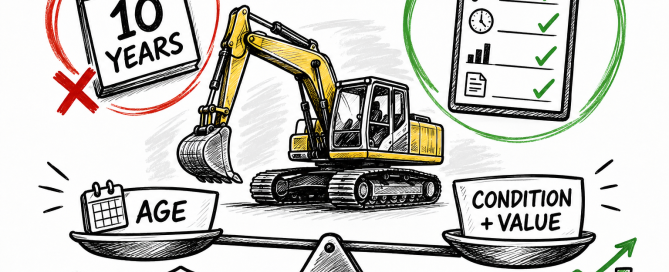
Does equipment age matter? Learn how age, mileage, condition, seller type, and useful life can affect commercial equipment financing options and timing.
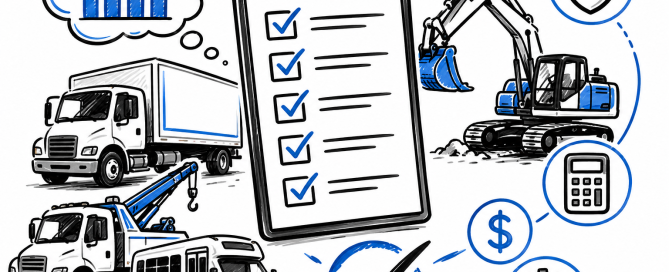
Use this fleet acquisition checklist to assess equipment fit, costs, financing readiness, vendors, and uptime before committing capital to a purchase.
A fleet financing partner review helps established businesses compare lender access, equipment knowledge, terms, timing, and support before they commit.

Learn how to finance ambulances with terms that protect cash flow, fit vehicle specifications, and help qualified medical fleets stay ready for service.