Fleet Replacement Trends Shaping 2026 Decisions
Fleet replacement trends are shifting toward uptime, lifecycle cost, and flexible financing. Learn how established businesses can plan asset upgrades.

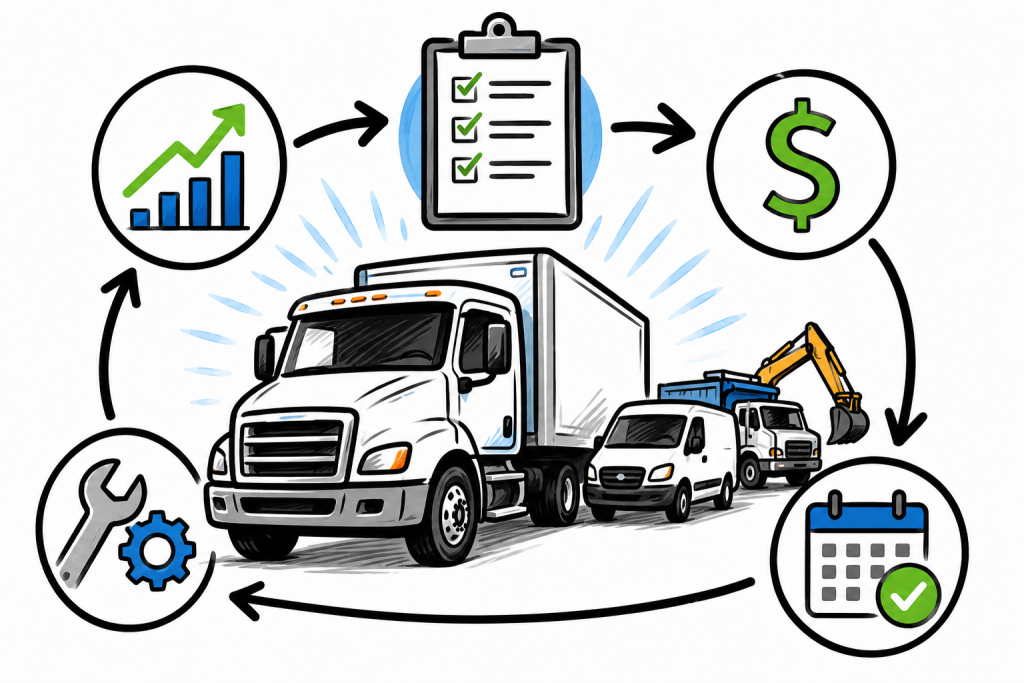
A truck that is available but unreliable is not a fleet asset. It is a scheduling risk, a maintenance expense, and a potential lost customer. The best top fleet acquisition strategies start with that operating reality: acquire the right equipment before downtime, capacity constraints, or cash flow pressure force a poor decision.
For established businesses, fleet acquisition is not simply a choice between paying cash and borrowing money. The vehicle’s expected workload, age, mileage, useful life, seller, delivery timeline, and effect on working capital all matter. A strategy that works for a regional carrier replacing late-model tractors may not fit a towing company adding a specialized wrecker or a contractor purchasing several dump trucks before a new project begins.
The right approach depends on whether the business is replacing an aging unit, adding capacity against documented demand, standardizing equipment, or entering a new service line. Each objective calls for a different level of capital commitment and a different financing structure.
A planned replacement cycle is usually less expensive than waiting for a vehicle failure to dictate the purchase. The cost of keeping an older truck is not limited to the repair invoice. It can include missed loads, overtime, rental expense, driver dissatisfaction, customer delays, and reduced resale value.
Track maintenance history, downtime days, mileage, fuel performance, and the frequency of unscheduled repairs by unit. A tractor that still runs may be worth retaining as a spare. But when its repair pattern becomes unpredictable, replacing it can protect revenue even if the monthly payment is higher than the prior maintenance budget.
Planned replacement also gives the buyer more control. The business can compare new and used equipment, negotiate with several vendors, prepare documentation, and structure financing around the vehicle’s anticipated service life. Emergency purchases often limit those choices.
Growth acquisitions should be tied to realistic utilization, not just optimism about future demand. Before adding trucks, trailers, vans, or vocational equipment, estimate how quickly the asset can enter service, who will operate it, what revenue it will produce, and whether dispatch, maintenance, insurance, and staffing can support it.
For example, a logistics company with consistent overflow freight and qualified drivers may justify adding two late-model day cabs and trailers. A construction business awarded a multi-month project may need excavators, skid steers, or dump trucks before mobilization. In both cases, the acquisition should be measured against expected margin and utilization, not gross revenue alone.
There is a trade-off. Buying too little equipment can mean turning away profitable work. Buying too much can leave capital tied up in underused assets. A phased acquisition plan can reduce that risk, such as financing the first group of units now and adding more after the initial equipment reaches target utilization.
Standardization is a fleet acquisition strategy with benefits beyond purchasing. Operating similar makes, models, and specifications can simplify driver training, parts inventory, service relationships, diagnostics, and resale planning.
This does not mean every fleet should buy one brand exclusively. A specialty application may require a different chassis, body configuration, axle rating, or power take-off setup. A rollback, vacuum truck, ambulance, or crane-equipped unit should be specified for the actual job, not selected merely to match the rest of the fleet.
Still, businesses should look for sensible commonality. Standardizing a portion of the fleet can reduce the operational burden that comes from maintaining too many one-off configurations.
New equipment generally offers current specifications, full warranty coverage, predictable maintenance planning, and a longer expected operating window. It can be a practical choice for high-mileage tractors, emergency-response vehicles, buses, or units expected to stay in the fleet for many years.
The trade-off is the purchase price and, in some cases, lead time. A new chassis may be ideal on paper but unavailable when the business has a contract starting next month. Buyers should also confirm whether the quoted unit includes the body, upfit, accessories, delivery, and any required installation. Vocational equipment often has several cost layers, and financing needs to reflect the complete delivered asset.
Used commercial equipment can preserve capital and shorten the acquisition timeline, especially when a qualified seller has a unit ready for delivery. It may also allow a business to acquire a higher-specification truck or trailer within the same budget.
Age, mileage, condition, maintenance records, and seller type are central to the decision. A well-maintained, late-model truck with verifiable records may be a better business purchase than a lower-priced unit with uncertain history. Lenders also evaluate these details because older equipment or very high-mileage assets can affect available term length, advance rate, and documentation requirements.
An independent inspection can be worthwhile for used equipment, particularly for specialized assets. The acquisition cost should include expected initial repairs, tires, registration, insurance changes, and the time needed to put the unit into service.
Cash purchases are simple, but simplicity is not always the best financial decision. Using a large amount of operating cash for equipment can strain payroll, fuel purchases, inventory, seasonal expenses, or project costs. Financing can spread the acquisition cost over a period that better matches the equipment’s revenue-producing life.
A term loan or equipment finance agreement may fit a business that intends to own the asset long term. A lease structure may make sense when replacement cycles are shorter or when the company wants to preserve flexibility. The appropriate structure depends on the business’s objectives, accounting preferences, tax position, and the lender’s available programs. Decisions involving tax treatment should be reviewed with the company’s tax adviser.
Down payment requirements also vary. Stronger credit, established time in business, a solid fleet history, and a desirable asset may support lower down payment options in some transactions. Older equipment, specialized collateral, weak documentation, or a more complex deal can require additional cash investment. The goal is not always the lowest payment or lowest down payment. It is a structure the business can support while keeping sufficient working capital available.
Good acquisition planning makes financing easier, particularly when equipment needs to be delivered quickly. Lenders commonly look at the business’s credit profile, time in business, revenue, existing debt, payment history, fleet experience, and the asset itself. They may also consider how the vehicle will be used, whether it is purchased from a dealer or private seller, and whether the quote is complete.
Before shopping, organize current business financials, bank statements when requested, identification of company ownership, equipment quotes, and information on existing financed units. Be prepared to explain the purpose of the acquisition: replacement, expansion, contract fulfillment, or operational upgrade. A clear explanation helps the financing partner present the transaction properly to appropriate funding sources.
Vendor coordination matters as well. Confirm the serial number or VIN, year, mileage, final purchase price, deposit status, payoff information if there is a trade, and estimated delivery date. For body builds and upfits, clarify payment milestones. Some transactions involve a chassis payment followed by body or equipment installation costs, which may require a more tailored structure.
The lowest acquisition price can become expensive if it leaves no room for changing demand. Consider whether equipment can be reassigned, whether trailers can serve multiple customers, and whether specifications will remain useful if a contract changes. A specialized unit may produce excellent margins, but its resale market and alternate uses can be narrower.
It also helps to maintain a forward-looking schedule. Identify units likely to be replaced in the next 12 to 24 months, anticipated contracts, seasonal peaks, and major maintenance events. That schedule gives management time to compare equipment, collect bids, and structure transactions deliberately rather than under pressure.
For businesses evaluating several options, a specialized equipment finance broker such as Commercial Fleet Financing can help assess the asset, business profile, and transaction structure while coordinating with available funding sources. Approval terms and timing remain dependent on credit, fleet history, documentation, asset details, seller information, and lender requirements.
The practical next step is to put the equipment plan on the same calendar as sales forecasts and maintenance planning. When the next acquisition is tied to a real operating need and supported by complete information, the fleet is far more likely to add revenue instead of adding disruption.
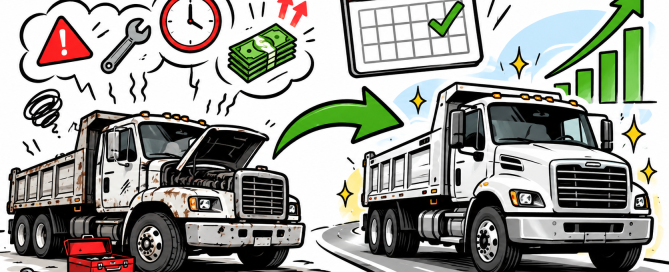
Fleet replacement trends are shifting toward uptime, lifecycle cost, and flexible financing. Learn how established businesses can plan asset upgrades.

This fleet expansion case study shows how established businesses can structure truck financing, protect working capital, and put assets to work faster.
Compare commercial financing options for trucks and equipment, protect working capital, and put revenue-producing assets into service with confidence.
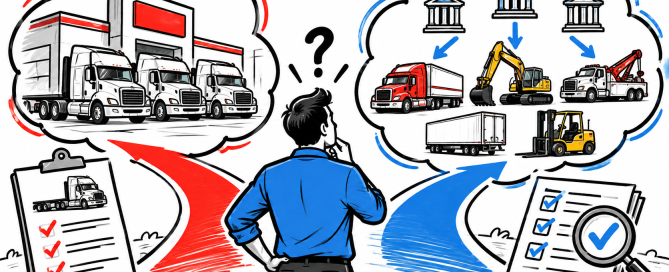
Finance broker versus captive financing: compare lender choice, equipment fit, approval variables, and cash flow before buying commercial assets today.
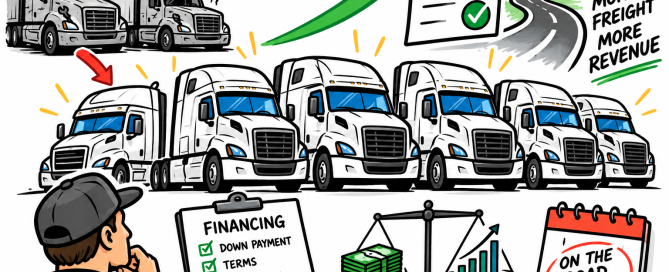
This multi unit fleet example shows how five commercial trucks can be financed while protecting cash flow, managing documents, and timing delivery well.