Commercial Vehicle Title Guide for Fleet Buyers
This commercial vehicle title guide explains liens, title transfers, VIN checks, and finance steps that help fleets put purchased equipment into service.


If your business touches any aspect of delivery, retail, logistics, or moving, you know how quickly demand for these services is growing. As ecommerce continues to boom, this need for reliable transportation solutions is only going to increase, which means 2 things:
This is where box truck leasing comes into play. Offering you an affordable and flexible option, leasing provides access to new or late-model vehicles without the hefty upfront costs associated with owning. Instead of tying up large amounts of capital in a purchase, your business can lease box trucks and focus its resources on growth and operational needs.
Whether you’re looking to expand your fleet or are just starting out, leasing a box truck allows you to scale operations while still managing costs. It also offers the benefits of less maintenance and having new vehicles on hand without the long-term financial burden of ownership.
In this guide, we’ll dive deeper into what truck leasing involves, how it works, and how it could be the right move for your business. Whether you need substitute standard box trucks, specialized or refrigerated box trucks, or a flexible solution to meet your transportation demands, leasing can provide the right balance of convenience, affordability, safety, and access to the latest equipment.
Box truck leasing allows businesses to acquire box trucks for rent for a set period without taking on the financial commitment of retaining full ownership. Instead of purchasing a truck outright, leasing offers the flexibility of use with a predictable payment structure, often making it an appealing choice for both established fleets and new businesses needing box trucks.
Leasing provides the freedom to expand operations without the long-term financial commitment and maintenance obligations of ownership, making it an efficient solution for businesses focused on growth and agility.
Understanding how box truck leasing works will help you make informed decisions about vehicle acquisition. Leasing a box truck typically involves agreements around lease duration, mileage limits, maintenance responsibilities, and options at the end of the lease term.
Most leases are either open or closed-end types. Each leasing option has distinct advantages, and choosing the right type depends on your company’s operational model, budget, and risk tolerance.
If you’re looking for a predictable option, a closed-end lease may be ideal. You simply return the truck at the end of the term, as long as you meet the mileage and wear-and-tear conditions in the contract. You don’t have to worry about the vehicle’s value at the end of the lease, allowing you to walk away without further obligation. However, any mileage overages or excess wear could incur penalties.
An open-end lease can offer you more flexibility but also comes with greater financial risk. If, at the end of the lease, the vehicle’s market value is lower than expected, your business may need to cover the difference. Open-end leases are commonly chosen by companies that put high mileage on their vehicles or need more customization in their lease terms, as they offer greater adaptability.
Leasing a box truck offers a wide range of advantages, enabling your business to avoid the true cost of purchasing, maintaining, and reselling commercial trucks, while gaining flexibility and financial predictability. Some strategic benefits of leasing a box truck that could make sense for your business include:
Leasing a box truck typically requires much less capital upfront than purchasing. When you buy, you either need to pay the full purchase price upfront or make a large down payment on a loan. Leasing, however, spreads the cost over a series of monthly payments, often with little or no down payment.
You’ll free up cash flow that allows you to invest in other critical areas like marketing, staffing, or expanding operations. It’s an especially appealing option for companies that want to grow without draining their capital.
One of the biggest perks of leasing is the ability to regularly update your fleet with newer models. Leasing allows you to regularly update your fleet with newer, more advanced models, keeping you current with technology advancements.
Today’s box trucks feature improved fuel efficiency, enhanced safety features, and performance upgrades that streamline operations. Leasing ensures your fleet remains modern, reducing the likelihood of breakdowns and avoiding the inefficiencies associated with an aging vehicle fleet.
Many lease agreements include maintenance and warranty coverage, which cuts down on operational costs. Many leasing companies handle routine maintenance like oil changes, tire rotations, and inspections, helping you avoid unexpected repair bills.
Because newer trucks are typically still under warranty, any major mechanical issues are usually covered, minimizing risk and downtime. This is especially helpful if your business has a smaller fleet that can’t afford long periods of inactivity due to repairs.
Since lease payments are generally considered an operational expense, they may be fully tax-deductible. You’ll be able to lower taxable income and save money immediately, compared to buying a truck where tax deductions are spread over time through depreciation. These potential tax savings can make a significant difference to your bottom line, helping you reinvest in other areas of the business.
Leasing provides the flexibility to quickly scale your fleet up or down as needed. This is especially important if your business faces seasonal demand, a short-term project, or rapid growth. Leasing allows you to add more trucks without the financial commitment of ownership.
If your business needs change, you can easily return the vehicle at the end of the lease term or swap it for a different model that better suits your operations. Flexibility like this allows businesses with fluctuating demand or experiencing growth to easily adjust their fleet to match changing needs.
Leasing a box truck can be an excellent option for businesses, but it’s not a one-size-fits-all solution. Deciding whether to lease or buy a box truck depends on several factors, including your business’s financial situation, operational needs, and growth plans. For some businesses, leasing provides a strategic, low-risk approach to fleet management. For others, it might not make good sense.
Here’s a breakdown of scenarios where leasing may be the smarter choice and a comparison of the benefits of leasing versus buying a box truck.
Leasing can be an ideal solution for startups with limited capital that need to start operations immediately. Many new businesses require box trucks to kickstart their services but may not have the resources to purchase them.
Leasing enables these companies to acquire the vehicles they need without a heavy upfront investment, allowing them to start generating revenue while preserving cash flow for critical needs like marketing, hiring, and scaling.
As businesses grow, so does the need for more vehicles. Leasing is a cost-effective way to expand your fleet without the heavy financial burden of buying new trucks. Instead of spending large sums of money on vehicle purchases, leasing lets you add trucks to your operations with fixed, manageable monthly payments. Having this kind of flexibility can help ensure your business can adapt to increased demand and grow efficiently without depleting your capital or taking on significant debt.
If your business requires box trucks for a specific contract or a temporary increase in demand, leasing can be an efficient solution. For short-term projects, leasing avoids the complications of long-term ownership, letting you return the trucks when the project concludes. This flexibility is particularly valuable for companies that experience seasonal fluctuations or operate in industries with unpredictable demand cycles.
Though box truck leasing provides distinct advantages for many businesses, there are cases when buying could be a better fit. These include:
Buying a box truck entails a significant upfront expense, either through a full purchase or a sizable down payment on a loan. Leasing typically requires less initial capital, which can help your business acquire the necessary trucks without depleting funds that might be better used elsewhere. You often only need to cover the first month’s payment and a small security deposit, which makes it easier to get the trucks you need without draining your business’s cash reserves.
Over time, though, leasing may end up costing more than buying, especially if you continue to lease new trucks year after year. Monthly lease payments are typically lower than loan payments, but you’ll always have those recurring costs as long as you lease.
In contrast, once you’ve paid off a purchased truck, you own it outright and no longer need to make payments. However, owning also means taking on the long-term expenses of maintenance, repairs, and depreciation, which leasing may help you avoid.
Leasing also tends to provide a better ROI for businesses that prioritize flexibility, liquidity, and access to newer models. Reduced maintenance costs, potential tax deductions, and the ability to upgrade vehicles more frequently can help offset the higher long-term costs of leasing.
On the flip side, buying is a better choice for businesses that plan to keep the truck for a long time and want full control over the asset. If you intend to use the truck for many years and customize it for specific operational needs, ownership may deliver a higher ROI over time.
If your business demands flexibility, leasing is the way to go. Leasing makes it easy to adjust your fleet size as your business changes, whether that means scaling up during busy periods or downsizing during slower times. Leasing also allows you to stay current with newer models, ensuring your vehicles have the latest technology and comply with updated safety and emissions standards. This is especially beneficial for businesses operating in fast-paced industries where fleet requirements are constantly evolving.
For businesses that value complete control over their vehicles, buying is the better option. Owning a box truck allows you to make any modifications you need, from custom equipment installations to specific branding. You also won’t have to worry about mileage restrictions or end-of-lease penalties. If your business relies heavily on customized trucks or requires long-term use of a vehicle, purchasing may offer more operational control and long-term value.
Before committing to a lease, take a close look at several factors that could impact the overall cost and flexibility of your lease agreement. Keep these in mind as you evaluate your leasing options:
Leasing a box truck offers customers a range of benefits, from lower upfront costs and predictable payments to access to newer models and reduced maintenance responsibilities. Whether you’re a startup looking to get on the road quickly, a growing business expanding your fleet, or a company that needs trucks for short-term projects, leasing provides the flexibility and financial relief that owning can’t always offer.
If you’re considering leasing a box truck for your business, now is the perfect time to explore your truck lease options. Commercial Fleet Financing is ready to help you find the ideal truck lease for your business. We offer customized leasing options designed to fit your budget and goals, whether you’re expanding your fleet or tackling a specific project.
Contact us today to get started and discover how leasing the right trucks can drive your business forward and offer additional benefits to your company!
This commercial vehicle title guide explains liens, title transfers, VIN checks, and finance steps that help fleets put purchased equipment into service.
Fleet replacement trends are shifting toward uptime, lifecycle cost, and flexible financing. Learn how established businesses can plan asset upgrades.
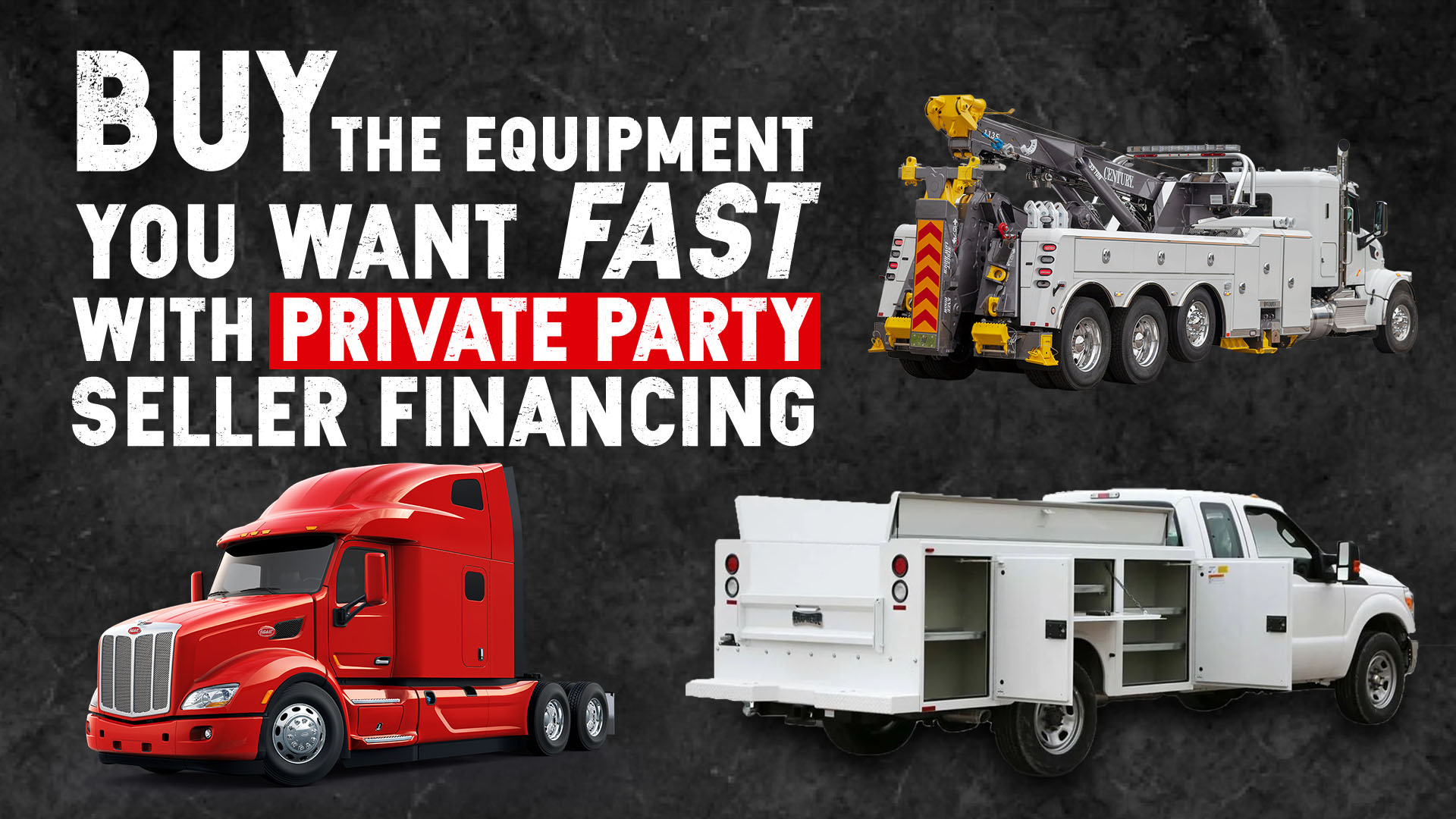
Welcome to CFF-U: Industries | Private Party Financing! [...]

Welcome to CFF-U! Matt Manero: Something is [...]

FILL OUT A CREDIT APP [...]

Welcome to CFF-TV and This Week's Hot Topic! [...]