Equipment Finance Industry Trends Fleet Buyers Face
Equipment finance industry trends are reshaping fleet planning, lender review, and capital decisions for established U.S. operators across markets today.

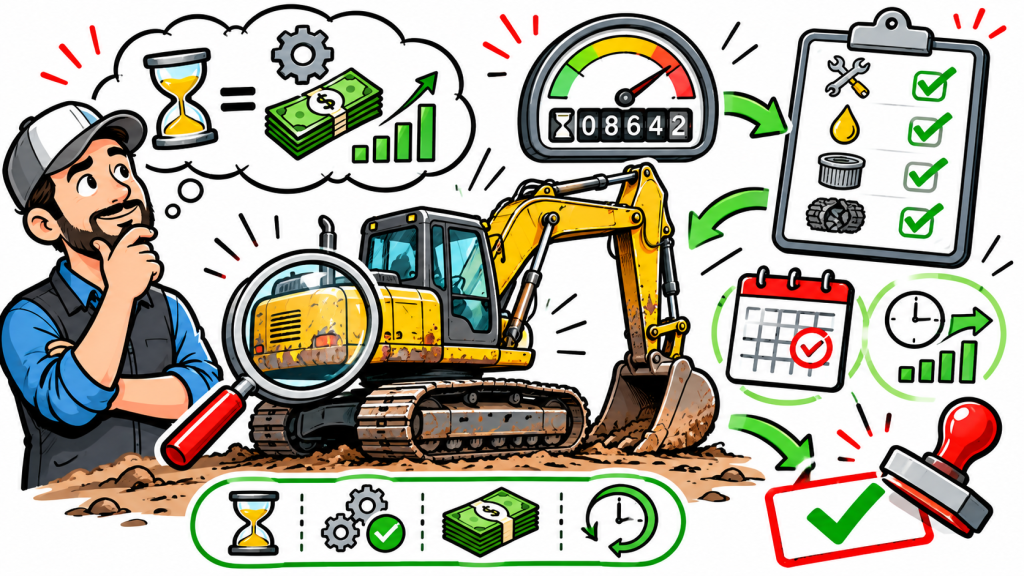
A truck can be available today, but that does not mean it can be financed on the same timeline. Before a funding source commits to a commercial equipment transaction, lender underwriting must determine whether the business, the asset, and the proposed payment structure make sense together.
For an established fleet or equipment-dependent business, underwriting is not simply a credit-score check. It is a practical review of repayment capacity, operating history, collateral value, and the details that could affect the equipment’s ability to produce revenue. A clean, well-structured file gives an underwriter fewer questions to resolve and can help keep a replacement truck, excavator, rollback, or trailer purchase moving toward closing.
Lender underwriting is the process used to assess risk before approving an equipment finance transaction. The question is straightforward: based on the business and the asset, is the proposed obligation likely to be repaid as agreed?
The answer comes from several connected areas. An established trucking company replacing two high-mileage tractors is evaluated differently than a contractor purchasing a used excavator from a private seller. Both may be sound transactions, but the documentation, down payment expectations, term options, and approval path can differ.
Underwriters generally look at the business owner’s and guarantor’s credit profile, time in business, annual revenue, cash flow, existing debt, payment history, and the company’s experience with similar assets. They also assess the equipment itself: its age, mileage or hours, make and model, condition, purchase price, seller type, and likely resale value.
The request matters as much as the asset. Financing a revenue-producing box truck that replaces an aging unit may be easier to explain than adding several units before contracts, routes, or workload support the expansion. That does not make growth financing unavailable. It means the business should clearly show how the new equipment fits the operating plan.
Strong personal and business credit remains meaningful, especially when a request requires a personal guarantee. But credit is only part of the picture. A business with years of documented operations, stable bank activity, and a history of managing equipment debt often presents a clearer underwriting case than a newer company with a similar score but limited operating records.
Time in business helps establish context. A company that has operated for five years and already runs six trucks has a verifiable fleet history. An established towing company upgrading to a newer wrecker can point to existing calls, driver utilization, maintenance records, and replacement needs. These facts help show that the request supports an operating business rather than a speculative purchase.
Cash flow is equally important. Underwriters want to see that the company can handle the proposed payment alongside payroll, fuel, insurance, maintenance, rent, taxes, and existing debt. A profitable year on paper is useful, but bank statements, financial statements, and debt schedules can reveal whether cash is consistently available when payments come due.
A recent slow month is not automatically a problem. Seasonal construction work, weather disruptions, and customer payment cycles can affect deposits. The key is context. If revenue is seasonal, explain the pattern and show the broader operating history. If a large receivable is pending, supporting invoices or contracts may help answer questions early.
A business with multiple financed assets is not necessarily overextended. In many industries, financed equipment is a normal part of operations. The concern is whether current obligations are manageable and whether the company has capacity for another payment.
A debt schedule should identify each obligation, monthly payment, remaining balance, and payoff date. Providing it upfront is usually better than leaving an underwriter to reconcile liabilities from credit reports and bank activity. It also helps determine whether a trade-in payoff, refinance, or equipment replacement should be included in the transaction structure.
Commercial equipment is collateral, but it is also the source of revenue expected to support the payment. That is why underwriters pay attention to the asset beyond its invoice price.
New equipment from an established dealer is often easier to document because the purchase order, serial number, specifications, and seller information are clear. Used equipment can be financeable as well, but age, mileage, engine hours, condition, and seller type carry more weight. A 2018 day cab with documented maintenance and reasonable mileage may be viewed differently than a similarly priced unit with unknown service history or an inconsistent title trail.
Asset suitability matters. A vocational truck body must fit the operator’s work. A dump truck, concrete mixer, ambulance, or rollback may have specialized value that requires the funding source to understand the chassis, body, upfit, and intended use. The same applies to yellow iron, forklifts, cranes, trailers, and industrial equipment.
The purchase price should also align with the market. If the stated price is materially above typical value, an underwriter may ask for a larger down payment, a shorter term, or additional support. This is not merely a pricing issue. If the equipment must be resold after a default, the lender wants confidence that collateral value provides reasonable protection.
The requested term, payment frequency, down payment, and amount financed all change the underwriting equation. A longer term can lower the monthly payment and preserve cash flow, but it may not fit an older truck or high-hour machine. A shorter term can reduce total financing cost but raises the periodic payment.
Down payments work the same way. A larger down payment lowers the amount financed and may improve the structure for a used or specialized asset. Still, putting more cash into equipment is not always the best operational decision. A company preparing for fuel, insurance, repairs, or a busy season may prefer to preserve working capital if its credit profile and transaction support a lower down payment.
Payment frequency should reflect how the business collects revenue. Monthly payments are common, but some operations have predictable seasonal or contract-driven income patterns. The right structure depends on lender program availability, the asset, and documented business cash flow.
A finance professional can help present these tradeoffs before an application reaches underwriting. Commercial Fleet Financing, Inc. works as a specialized equipment finance broker and financing partner, helping qualified businesses match the equipment, business profile, and documentation to appropriate funding sources rather than treating every transaction as identical.
Underwriters ask for documents to verify the story presented in the application. The exact list varies by transaction size, credit strength, asset type, and lender requirements, but delays often occur when basic records do not match.
For many established businesses, a complete file may include a signed application, equipment quote or purchase order, recent business bank statements, financial statements or tax returns when requested, a debt schedule, and organizational documents. Depending on the transaction, the lender may also request insurance information, title documentation, serial numbers, invoices, proof of down payment, or details about the seller.
Consistency matters. The legal business name on the application should match the bank statements and purchase documents. The equipment price should match the invoice. If the borrower is paying off an existing lien, the payoff figure should be current. Small inconsistencies can create follow-up questions that slow a decision.
Seller type deserves attention as well. A franchised dealer, established commercial vendor, auction company, and private-party seller each present different verification needs. Private sales can require additional title, lien, condition, and payment documentation. Buyers should avoid sending funds or taking delivery before confirming the financing and closing requirements.
When an underwriter asks for more information, it does not necessarily mean the deal is weak. Often, it means one aspect of the file needs to be clarified.
For example, a fleet operator may be asked why a company is adding three tractors when revenue has been flat. The useful answer is not simply that the company needs trucks. It may be that two new dedicated contracts begin next quarter, several older units are being sold, and the business has drivers ready to operate the equipment. Supporting documents make that explanation more credible.
A construction company buying a used skid steer may be asked about the unit’s hours and condition. A clear response could include the dealer inspection, maintenance history, serial number, and the equipment’s intended role on recurring projects. If the seller is private, additional verification may be expected.
The best approach is direct and complete. Do not overstate revenue, minimize existing debt, or assume an underwriter will infer the business case. A concise explanation supported by documents is more useful than a long narrative without evidence.
The best time to think about underwriting is before negotiating the final purchase. Know the approximate price range, preferred equipment age, expected trade-in or payoff, and how much cash the business can reasonably allocate without straining operations. Gather current financial records while the vendor is preparing the quote.
If timing matters, communicate the delivery date and any operational deadline early. A truck down for major repairs, an expiring municipal contract, or a scheduled construction start can affect the urgency of a purchase, though approval and funding timing will still depend on the full file, lender requirements, asset, and transaction structure.
A well-prepared request gives underwriting a clear answer to the questions that matter: Is this an established business? Does the equipment fit its operations? Can the payment be supported? Is the asset properly documented? Answer those questions early, and the financing conversation can stay focused on putting productive equipment to work.
Equipment finance industry trends are reshaping fleet planning, lender review, and capital decisions for established U.S. operators across markets today.
This commercial fleet financing guide explains how established businesses structure vehicle and equipment purchases around cash flow, uptime, and growth.
Learn how to finance forklifts with financing structures, credit factors, and buying steps that protect cash flow, support uptime, and growth plans.
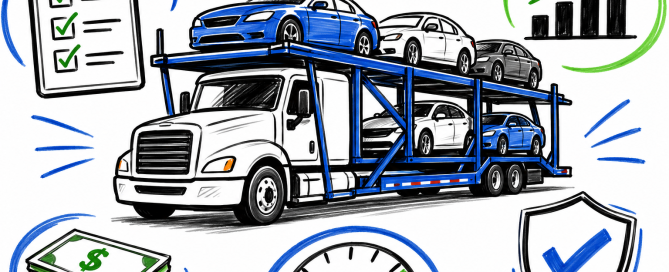
Learn how to finance a car hauler with terms, down payment, asset age, credit, and documentation factors that shape a commercial equipment transaction.
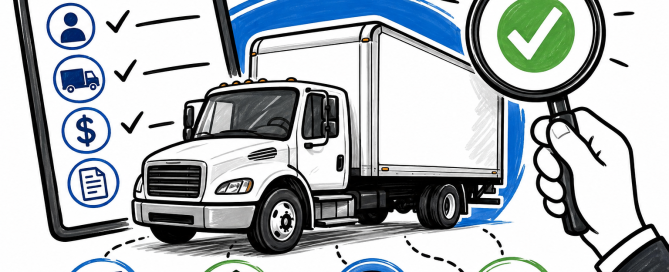
A box truck financing companies review for established businesses: compare lenders, terms, asset rules, documents, and funding support before buying wisely.