What Credit Score Matters for Equipment Financing
What credit score matters in commercial equipment financing? Learn how business and personal credit, asset quality, and deal structure affect options.

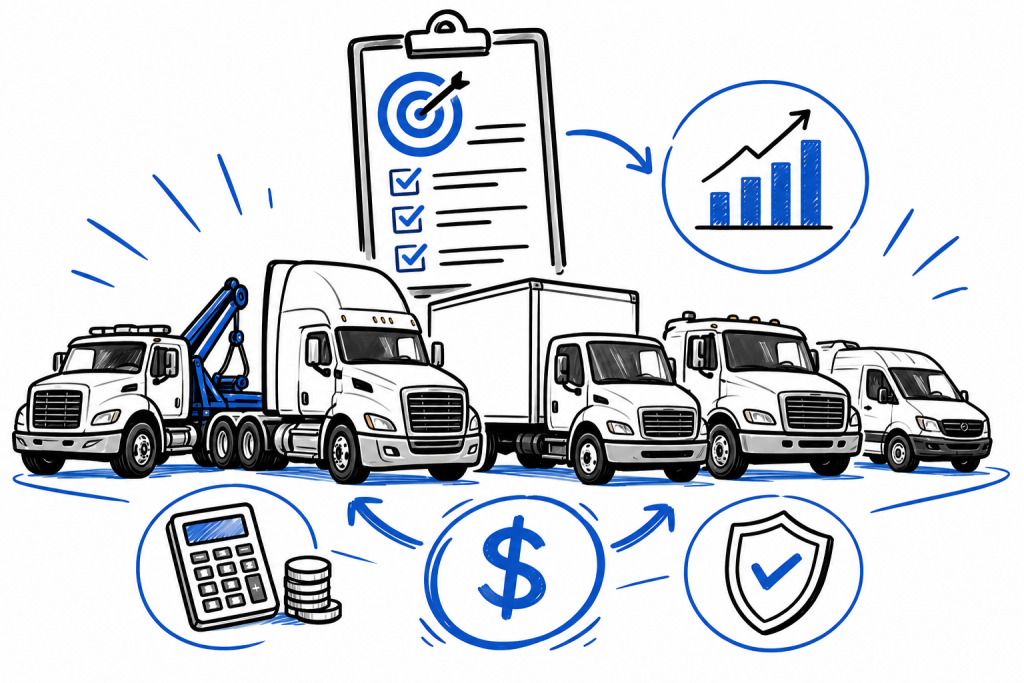
Replacing six tractors, adding three rollbacks, or modernizing a mixed fleet of box trucks and trailers is not simply a larger version of buying one unit. The way how to finance multi-unit fleets is approached can affect working capital, delivery timing, lender appetite, and whether new equipment is generating revenue quickly enough to support the payment.
For established businesses, the objective is usually not to find the longest term or the lowest stated payment in isolation. It is to structure the transaction around the equipment’s useful life, expected utilization, maintenance exposure, and the company’s broader operating plan. A fleet expansion should leave room for payroll, fuel, insurance, repairs, and the ramp-up period that comes with putting new assets into service.
Before requesting terms, define what the acquisition is meant to accomplish. A replacement cycle has different financing needs than a growth purchase. Replacing aging units may reduce downtime and repair expense, while adding capacity may require a careful look at contracted revenue, driver availability, dispatch volume, or backlog.
Separate the equipment into logical groups. For example, a trucking company might be purchasing four late-model sleepers, six dry vans, and two used day cabs. A towing operation may be adding a new wrecker while replacing two high-mileage rollbacks. These assets have different values, age profiles, resale expectations, and lender considerations. Treating them as one undifferentiated package can make the transaction harder to place.
A practical acquisition plan identifies the unit count, purchase price, seller, model year, mileage or hours, intended use, expected delivery date, and whether each asset is new or used. It should also show how the equipment fits the current fleet. Lenders and financing sources generally want to see that the purchase is consistent with the business’s operating history and capacity.
Most multi-unit fleet transactions are structured as equipment financing or leasing arrangements, with the specific approach depending on the business, asset mix, and financing source. The right structure is not universal.
A finance agreement may be appropriate when the business intends to keep the equipment for much of its usable life and wants a predictable path to ownership. A lease structure may be worth considering when replacement cycles are shorter, residual value is meaningful, or payment flexibility matters more than owning each unit outright at the end of the term. Used equipment, specialized vocational trucks, and older assets may require different terms than new highway equipment.
Term length should match the asset and the cash flow it produces. Extending payments can improve monthly cash flow, but it may increase total financing cost and leave the business owing more than an older unit is worth if replacement timing changes. A shorter term builds equity faster but raises the monthly obligation. For a fleet operator planning to cycle tractors every four or five years, that tradeoff deserves more attention than a simple payment comparison.
Down payment is another structural decision. A larger upfront contribution can reduce the amount financed and improve the transaction’s overall profile. Keeping more cash on hand, however, may be the better operational decision when insurance deposits, upfitting, licensing, recruiting, or maintenance are also increasing. Depending on credit strength, time in business, fleet history, asset type, and lender requirements, some qualified transactions may allow lower down payments. That is a possibility to evaluate, not an assumption to build the purchase around.
Multi-unit purchases often involve multiple vendors. A business may buy new trailers from one dealer, used trucks from another, and add liftgates or other upfits through a separate provider. That does not automatically require separate financing conversations, but it does require clean coordination.
Each quote should clearly identify the buyer, seller, asset description, serial or VIN number when available, purchase price, deposits, and any delivery or installation charges. If a unit is being upfitted, clarify whether the chassis and upfit are invoiced together or separately. Incomplete or conflicting paperwork is a common reason otherwise sound transactions slow down.
It also helps to decide whether all units need to fund at once. A single closing may be efficient when equipment is available and ready for delivery. Staged funding can make more sense when units are arriving over several months, a vendor has production lead times, or the business is phasing drivers into service. The tradeoff is that staged transactions can add documentation and approval complexity, so timing should be discussed early.
An established company with documented operations is generally in a stronger position to finance a fleet than a new entrant, but fleet size alone does not determine the outcome. Financing sources look at the total transaction relative to the company’s profile.
Key considerations typically include time in business, business and owner credit strength, existing debt, payment history, current fleet composition, financial performance, and the relationship between the proposed purchase and demonstrated revenue. A carrier adding 10 tractors after securing a major contract presents a different picture than a company with the same unit request but no evidence of additional freight volume.
The assets matter as well. New equipment from a recognized manufacturer is often easier to evaluate than a high-mileage specialty unit bought from a private seller. That does not make used or specialized equipment unfinanceable. It means age, condition, mileage, hours, marketability, and seller type may affect advance rate, term, documentation, or required equity.
For a larger request, prepare to provide a clear file rather than only a signed credit application. Common items can include:
Requirements vary by transaction and financing source. Providing organized records early gives the underwriter a more complete view of the business and reduces avoidable back-and-forth.
A low payment can be useful, but it should not end the comparison. Look at the amount due at signing, payment frequency, term, end-of-term obligations, prepayment provisions, documentation requirements, and whether a blanket lien or personal guarantee is requested. Ask how the structure handles multiple units, especially if one unit is delayed, substituted, or removed from the deal before funding.
For example, a construction contractor purchasing five excavators may prefer a structure that preserves cash during a seasonal ramp-up. A longer term may support that goal, but the contractor should also consider the machines’ projected hours, maintenance program, and resale values. A medical transport company replacing several wheelchair-accessible vans may place greater value on coordinating delivery, conversion invoices, and titling so vehicles enter service on schedule.
The best option depends on what the equipment needs to do for the business. If the acquisition is expected to reduce costly downtime, the relevant comparison includes avoided repair expense and missed revenue, not just the payment. If it is expansion equipment, management should test whether projected utilization is realistic before committing to the full fleet order.
Financing the equipment purchase does not eliminate the operating costs of growth. New trucks can require insurance adjustments, permits, registration, telematics, fuel cards, branding, initial maintenance items, and driver onboarding before revenue stabilizes. Specialized assets may also require operator training or lead time for body installation and inspections.
Build a deployment budget alongside the financing request. This gives decision-makers a better view of how much liquidity must remain after closing. It can also inform whether the fleet should be purchased in one group or in phases.
Timing matters here. A qualified borrower with complete documentation, clear invoices, and readily available equipment may move quickly through approval and funding. But timing depends on the credit profile, transaction size, asset, seller documents, lien searches, insurance requirements, and the financing source’s process. A purchase order should not promise a delivery date based solely on an expected approval timeline.
A specialized equipment finance broker can help an established business present a multi-unit request to financing sources that fit the asset and borrower profile. Commercial Fleet Financing, Inc. works with qualified businesses nationwide on commercial vehicles and equipment, helping coordinate documentation, vendor details, transaction structure, and funding steps.
The most productive first conversation is specific: what equipment is being acquired, where it is coming from, what it will do, when it is needed, and how the purchase fits the business’s current operations. With those facts in hand, a fleet owner or CFO can evaluate financing as an operating decision, not just a payment decision.
What credit score matters in commercial equipment financing? Learn how business and personal credit, asset quality, and deal structure affect options.
Learn when fleet financing makes sense for replacing aging equipment, preserving working capital, and adding capacity without disrupting daily operations.
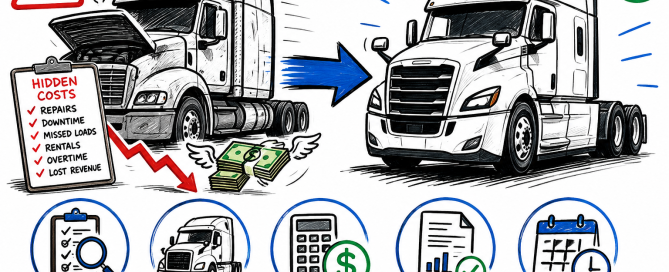
A truck replacement financing guide for established fleets: compare structures, protect working capital, and put dependable equipment into service faster.
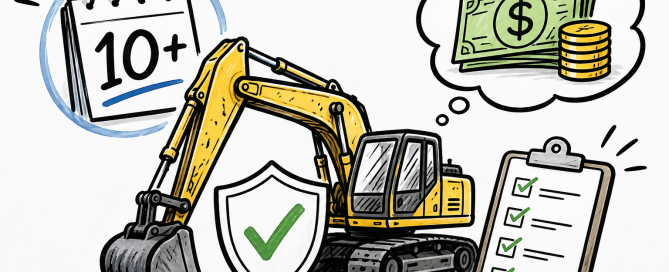
Can businesses finance older equipment? See how asset age, mileage, condition, seller type, and borrower strength affect commercial financing options.
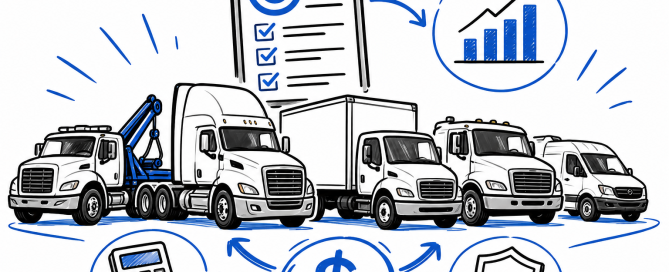
Learn how to finance multi-unit fleets with structures that protect working capital, fit replacement schedules, and support faster equipment deployment.