
How to Finance Fleet Trailers Without Straining Cash
A trailer sitting on a dealer lot does not add capacity, cover a lane, or replace a unit that is increasingly expensive to maintain. The question of how to finance fleet trailers is really a question of timing: how to put the right assets into service without tying up working capital needed for payroll, fuel, maintenance, insurance, and daily operations.
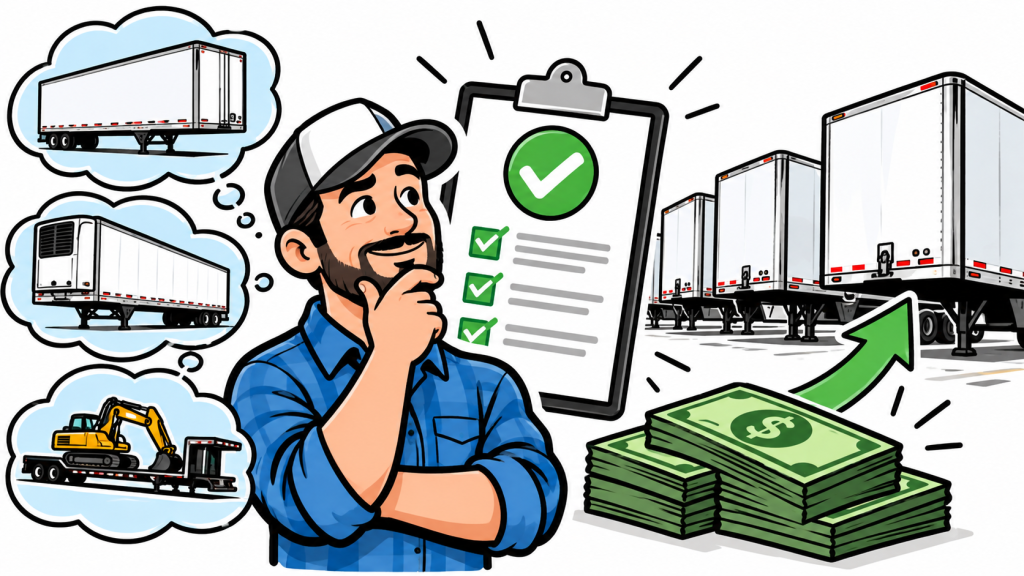
For established carriers, logistics companies, construction firms, towing businesses, and other equipment-dependent operations, trailer financing should start with the job the asset must perform. A dry van for a dedicated freight contract, a refrigerated trailer supporting temperature-controlled freight, and a specialized lowboy for heavy equipment may all be financeable, but they are evaluated differently because their resale market, condition, age, and revenue role differ.
Start With the Trailer’s Revenue Role
Before requesting terms, define what the trailer is replacing or adding. Lenders and financing sources generally want a clear commercial purpose, and the answer helps determine whether a purchase, lease, or other structure fits the transaction.
A replacement trailer may reduce downtime, repair expense, or insurance exposure. An expansion purchase may support a new contract, additional lanes, or more owner-operators under lease. A specialized trailer may be necessary to haul particular freight, equipment, or materials. These are different business cases, and the financing request should reflect that.
For example, a fleet replacing five older dry vans may prioritize predictable monthly payments and preserving liquidity for maintenance across the rest of the fleet. A contractor purchasing a detachable gooseneck trailer may be more focused on matching the payment to the asset’s expected useful life and seasonal workload. The trailer is collateral, but its contribution to operations is part of the larger credit picture.
Choose a Structure That Matches the Fleet Plan
There is no single best way to finance fleet trailers. The practical choice depends on the trailer, the business’s financial profile, the desired ownership outcome, and how long the fleet expects to keep the equipment.
Equipment Finance Agreement or Loan
A loan or equipment finance agreement is commonly used when the business intends to own the trailer at the end of the term. The trailer serves as collateral, and the business makes scheduled payments while building equity. This approach often makes sense for late-model trailers with a long expected service life and a fleet that plans to retain them well beyond the financing term.
The tradeoff is that the business takes on the residual-value risk. If market demand falls, or the trailer is heavily used beyond expectations, its eventual resale value may be lower than anticipated. For fleets that maintain equipment well and have a disciplined replacement cycle, ownership can still be the right fit.
Lease Structures
An equipment lease can provide a different end-of-term path. Depending on the structure, a lease may offer a purchase option, a predetermined buyout, or an end-of-term return option. These arrangements can be useful when a fleet wants more flexibility around replacement cycles or prefers to keep payments aligned with the period in which the trailer produces revenue.
The details matter. A lower monthly payment can reflect a larger end-of-term obligation, a residual assumption, or a different ownership outcome. Compare the full structure, including term length, payment schedule, purchase option, documentation requirements, and end-of-term responsibilities. Do not evaluate a proposal on payment alone.
Seasonal or Customized Payment Schedules
Some operations have predictable revenue swings. Construction, agriculture, landscaping, and certain specialized freight segments may generate uneven cash flow through the year. When supported by the business profile and financing source, a payment schedule may sometimes be structured around that reality.
That flexibility is not automatic. Lenders will typically consider time in business, credit strength, financial statements, payment history, equipment type, and the reason for the requested schedule. A well-documented seasonal pattern is more persuasive than a general preference for lower payments during slow months.
New, Used, and Specialized Trailer Considerations
The trailer itself can influence the available financing options. New equipment from an established dealer or manufacturer is often simpler to evaluate because pricing, specifications, serial numbers, and condition are clearly documented. Used trailers can also be financeable, but age, condition, mileage where applicable, prior use, title status, and remaining useful life become more important.
A late-model used reefer in strong condition may be a sound acquisition. An older trailer with deferred maintenance, uncertain ownership records, or a narrow resale market may create more lender questions. Specialty assets such as car haulers, lowboys, dump trailers, tank trailers, and multi-axle equipment may require a closer look at configuration, application, and marketability.
Seller type matters as well. A purchase from a reputable dealer generally comes with more standardized documentation. A private-party transaction can require added diligence, including proof of ownership, payoff information if there is an existing lien, photographs, serial-number verification, and a clear bill of sale. Address these items early to avoid delays near closing.
What Financing Sources Usually Review
Established businesses are generally in the strongest position when they present a complete, consistent transaction. Requirements vary by program and lender, but trailer financing commonly involves a review of the following:
- Time in business, ownership structure, and operating history
- Business and personal credit profiles, where a personal guaranty is required
- Fleet size, equipment mix, utilization, and maintenance practices
- Recent business bank statements and, for larger requests, financial statements or tax returns
- The equipment quote, purchase order, trailer specifications, and seller information
- Existing debt obligations, payment history, and requested down payment
A strong credit profile does not eliminate documentation requirements, particularly when the transaction includes multiple units, used equipment, a specialized trailer, or a private seller. Conversely, an established fleet with documented revenue and a clear asset need may have options even if the request is not a standard new-equipment purchase.
The most useful application package tells a coherent story. If the business is adding trailers to service a new contract, provide the equipment quote and explain the contract or utilization plan. If the purchase replaces aging units, explain the maintenance, downtime, or capacity issue driving the decision. Specific information helps a financing partner present the request accurately to appropriate funding sources.
Down Payment, Term Length, and Cash Flow Tradeoffs
Many fleet buyers focus first on whether low- or zero-down financing is available. For well-qualified established businesses, lower down payment structures may be possible depending on credit, asset, transaction size, fleet history, and lender requirements. They are not guaranteed, and they are not always the most economical choice.
A larger down payment can reduce the financed amount, monthly payment, and overall borrowing cost. It can also make a used or specialized asset easier to place when its collateral value is less predictable. But deploying too much cash into trailers can leave the fleet short on operating capital when tires, repairs, fuel costs, or receivables create pressure.
Term length presents a similar tradeoff. A longer term can reduce the monthly payment, which may preserve near-term cash flow. However, stretching payments too far beyond the trailer’s expected productive life can leave the business paying for an asset that no longer fits its operation. The right term should consider the trailer’s condition, expected utilization, replacement cycle, and likely resale value, not just the lowest possible payment.
A Practical Process for Financing Fleet Trailers
The fastest path is usually the cleanest one. Start by obtaining a detailed quote that identifies the trailer make, model, year, VIN or serial number if available, specifications, price, and any fees. Confirm whether the seller is a dealer, manufacturer, or private party, and determine if there is an existing lien.
Next, decide what outcome matters most: ownership, payment level, end-of-term flexibility, or working-capital preservation. Have current business information ready, including entity details, bank statements, and financials when appropriate. For multi-unit acquisitions, a fleet schedule showing current equipment and planned additions can help explain the transaction.
A specialized equipment finance broker and financing partner such as Commercial Fleet Financing can help qualified businesses match the request with financing sources based on the asset, borrower profile, documentation, and desired structure. That includes coordinating with vendors, identifying lender-specific requirements, and helping manage the process from quote through funding. Approval timing and funding speed depend on the credit file, trailer type, seller documentation, lender requirements, and overall deal structure.
Do Not Let the Payment Drive the Purchase
A trailer payment should support the operating plan, not become the operating plan. Before signing, confirm that the trailer specification is appropriate for the freight, tractor configuration, loading requirements, maintenance capability, and anticipated utilization. A favorable financing structure cannot correct a poorly matched asset or a vendor quote that omits needed equipment.
The best transaction is usually the one that puts a commercially suitable trailer into service, preserves sensible liquidity, and fits the fleet’s replacement cycle. Bring the equipment quote, your intended use, and a clear picture of the business to the financing discussion early. That gives you more room to evaluate structure before the trailer you need is gone.
Blog Articles
7 Best Ways to Fund Sprinter Vans for Business
Compare the best ways to fund sprinter vans, from loans and leases to vendor programs, while protecting working capital and matching terms to use well.
Commercial Vehicle Lifecycle Guide for Fleet Owners
This commercial vehicle lifecycle guide helps fleet leaders plan purchases, maintenance, replacement, and financing around uptime, cash flow, and asset value.
Commercial Vehicle Title Guide for Fleet Buyers
This commercial vehicle title guide explains liens, title transfers, VIN checks, and finance steps that help fleets put purchased equipment into service.
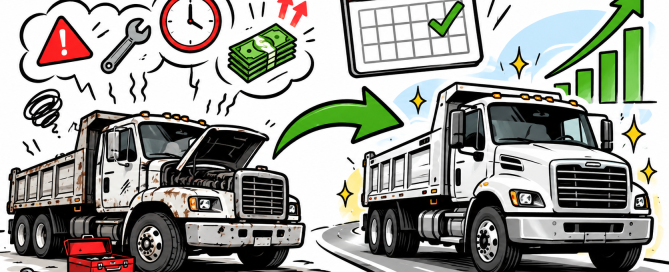
Fleet Replacement Trends Shaping 2026 Decisions
Fleet replacement trends are shifting toward uptime, lifecycle cost, and flexible financing. Learn how established businesses can plan asset upgrades.
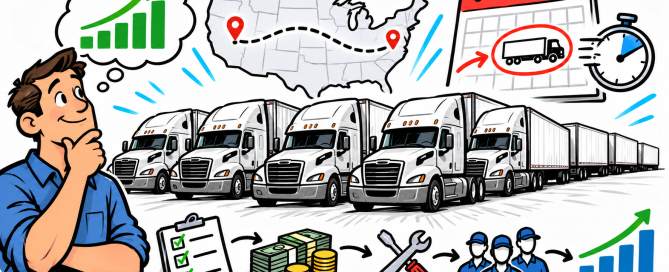
A Fleet Expansion Case Study for 12 Trucks
This fleet expansion case study shows how established businesses can structure truck financing, protect working capital, and put assets to work faster.