Preserve Working Capital for Equipment Purchases
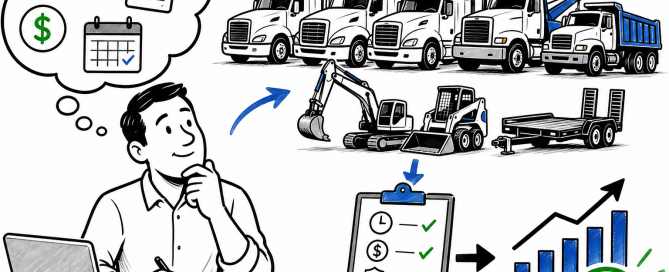
Learn how to preserve working capital for equipment purchases with financing structures that protect cash flow and keep revenue assets in service as planned.

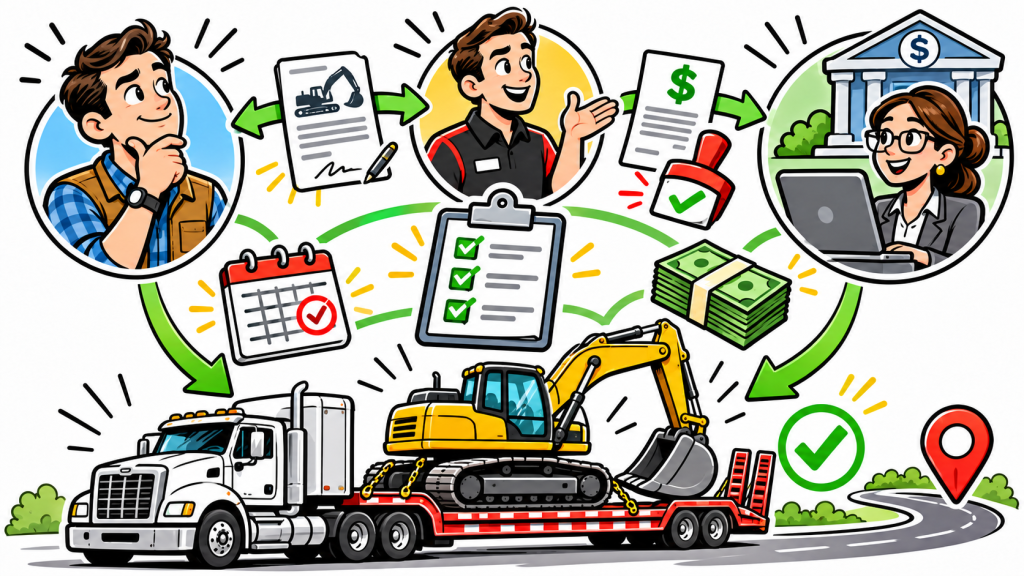
A truck, trailer, excavator, or wrecker does not produce revenue while it is waiting on paperwork. To coordinate dealer equipment funding effectively, the buyer, dealer, finance partner, and lender need to work from the same transaction details before the equipment is ready for delivery. Small inconsistencies – a changed serial number, an expired quote, an incomplete invoice, or unclear payoff instructions – can delay a deal that otherwise fits the borrower and asset.
For established businesses, dealer coordination is not administrative busywork. It is part of controlling equipment uptime, protecting working capital, and putting a revenue-producing asset into service on schedule.
A commercial equipment transaction involves more than a credit decision. The finance source must understand what is being purchased, who is selling it, how it will be titled or documented, whether there is a trade-in or payoff, and when the borrower expects delivery. The dealer also needs to know what documents and funding conditions are required before releasing the asset.
This becomes more involved with vocational equipment. A rollback may have a chassis and body from different manufacturers. A dump truck may require confirmation of the body, hydraulic system, and final completed-unit value. A used excavator may need accurate year, model, serial number, hours, seller information, and photos. A trailer purchase may involve separate VINs for multiple units.
When details arrive late or change repeatedly, the finance structure may need to be revised. That can affect advance amounts, documentation, insurance requirements, down payment expectations, or timing. Early coordination gives everyone a chance to identify those items while alternatives are still available.
The best time to involve a financing partner is before the buyer commits to a final purchase order. That does not mean financing must control the purchase. It means the buyer should make sure the proposed asset, seller, and deal terms can be documented in a way that finance sources can evaluate.
A useful dealer quote should identify the buyer’s legal business name, the seller’s legal name, a complete equipment description, the new or used condition, purchase price, and any applicable taxes, fees, add-ons, or delivery charges. For titled vehicles and trailers, include the VIN. For non-titled equipment, include the serial number when available. If the unit has not been built or the serial number has not been assigned, say so clearly and provide the anticipated completion date.
Buyers should also identify whether the quote includes items that may need separate treatment. Common examples include extended warranties, maintenance plans, upfits, towing accessories, bodies, attachments, freight, installation, and telematics. Some may be financeable depending on the lender, asset, borrower profile, and transaction structure. Assuming every line item will be included can create a cash requirement at closing that was not in the original plan.
The advertised unit price is rarely the total amount that needs to be funded. Ask the dealer for a buyer’s order or invoice that separates the base equipment price from taxes, freight, documentation fees, aftermarket equipment, and deposits already paid.
For a fleet replacing a tractor, the transaction may also include a trade allowance and a payoff on the existing truck. Those figures should not be treated as interchangeable. The trade value, payoff amount, lienholder information, and payoff good-through date all matter. If the payoff exceeds the trade allowance, the difference may need to be addressed through cash, equity from other assets, or a structure acceptable to the finance source.
Strong credit is helpful, but commercial equipment funding is evaluated in context. Finance sources may consider time in business, annual revenue, debt obligations, payment history, fleet experience, cash reserves, existing equipment, and the asset’s expected useful life. The seller type can matter as well. A new-equipment dealer, an established used-equipment dealer, and a private seller may present different documentation and inspection requirements.
Asset characteristics matter just as much. A newer sleeper tractor with reasonable mileage generally presents a different profile from an older specialized wrecker, a high-hour construction machine, or a custom-built mobile medical vehicle. None is automatically unfinanceable, but age, mileage, hours, condition, marketability, and intended use can affect available programs and structure.
An established towing company adding a late-model rollback may be able to support a straightforward expansion request if it can document operating history and the equipment fits its service mix. A contractor buying a used excavator from a private party may need more diligence around condition, ownership, lien status, and valuation. The practical question is not simply whether the equipment can be financed. It is whether the buyer, asset, and documentation support a workable transaction.
Once a transaction is moving, designate one person on the buyer’s side who can approve equipment details and provide business documents quickly. Fleet managers may know the unit specifications, while the CFO or owner controls financial statements and authorization. Dealers may work with a sales representative, title clerk, and accounts receivable team. Clear points of contact prevent a simple request from stalling between departments.
The finance team should receive updates when any material term changes. That includes a price increase, substitute unit, different model year, revised delivery date, added attachment, trade change, or shift from dealer inventory to a factory order. A change that feels minor to the sales team may alter the equipment description on approval documents or require a lender review.
For larger fleet purchases, a simple deal worksheet can help. It should track the equipment identifiers, quoted cost, deposit, trade details, expected delivery, insurance contact, title or registration requirements, and documents still outstanding. This is particularly useful when a business is buying multiple trailers, replacing several trucks, or coordinating deliveries across more than one location.
Most delays are not caused by the equipment itself. They come from incomplete, conflicting, or outdated paperwork. Exact requirements depend on the transaction, but commercial buyers should be ready to provide current business information, ownership details, financial documentation when requested, and proof of insurance before funding.
The dealer may need to provide a final invoice, purchase order, wiring instructions, title documents or manufacturer documents, payoff information, and proof that any required lien releases will be handled properly. For used equipment, a clear chain of ownership and accurate serial-number documentation are especially important.
Insurance deserves early attention. The policy generally needs to identify the correct named insured and satisfy the finance source’s requirements for physical damage coverage and loss-payee or additional-insured language where applicable. A fleet policy that covers existing units may still need to be updated before a newly purchased asset can be released.
Do not rely on preliminary documents once the deal reaches closing. If the final invoice differs from the quote or the VIN changes, send the revised version promptly. Funding instructions must match verified seller information. Treat wire instructions cautiously and confirm them through known dealer contacts, not only by email.
Funding does not always occur at the same point in every transaction. A stocked unit may be funded shortly before delivery once all documents and conditions are complete. A factory order may involve progress payments, a final invoice at completion, or delivery confirmation. Certain used units may require photos, an inspection, or additional valuation support.
This is where expectations need to be realistic. Fast decisions or funding may be possible for well-documented transactions with a strong borrower profile, acceptable asset, responsive seller, and satisfied lender conditions. They are not automatic. A buyer who needs a truck on the road by Friday should say so early, while recognizing that title work, insurance, signatures, seller documentation, and lender review can all affect the schedule.
The trade-off is straightforward: moving quickly should not mean overlooking documentation that protects the buyer and the finance source. If a dealer proposes a substitute unit because the original truck sold, confirm the replacement’s exact year, mileage, VIN, price, and configuration before assuming the approval transfers without changes.
A specialized equipment finance broker can help coordinate the moving parts between the buyer, dealer, and potential funding sources. Commercial Fleet Financing works with established businesses nationwide and can help frame the equipment request, gather transaction details, explain documentation needs, and coordinate with the seller through approval and funding.
That support is most valuable when the deal is not perfectly standard: a mixed fleet purchase, a used vocational unit, an asset with an upfit, a trade payoff, or a delivery deadline tied to a new contract. Access to multiple funding sources can create options, but the best structure still depends on the borrower’s profile, the equipment, and the quality of the file.
Before signing the final dealer paperwork, make one last comparison: Does the equipment description match the approval, does the invoice match the purchase agreement, and does the expected delivery date leave enough time to satisfy remaining conditions? That final check is often what keeps a necessary asset from becoming an avoidable delay.
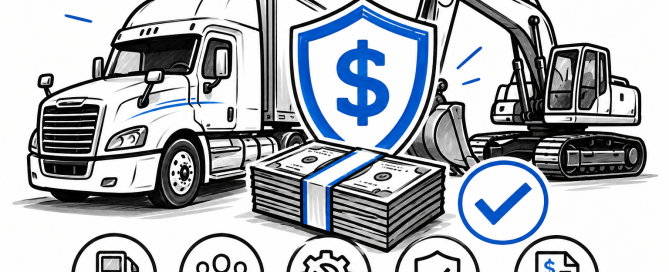
Learn how to preserve working capital for equipment purchases with financing structures that protect cash flow and keep revenue assets in service as planned.
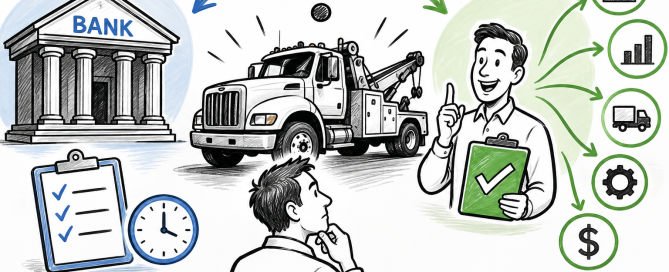
Compare an equipment finance broker versus banks for fleet and equipment purchases, including lender access, timing, terms, documentation, and needs.
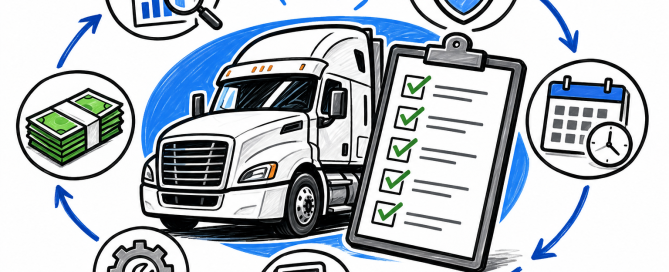
Use this fleet financing checklist to assess equipment, cash flow, documentation, and deal structure before adding or replacing commercial vehicles first.

Used versus new equipment financing affects cash flow, uptime, collateral value, and approval structure. Compare the right purchase for your commercial fleet.
A multi-unit acquisition financing guide for established businesses buying trucks or equipment while protecting cash flow, uptime, and expansion plans.