How to Preserve Working Capital for Fleet Growth
Learn how to preserve working capital when replacing or adding commercial equipment, with practical financing and purchasing guidance for established fleets


For many business owners, a box truck isn’t just a vehicle; it’s a necessity for daily operations, an essential asset that keeps their business moving forward. Yet, securing a box truck lease with bad credit can seem daunting. Credit issues often make it challenging to get approved for traditional financing, leaving fleet owners and new business operators wondering if they have any viable options.
Fortunately, leasing offers an alternative path that is often more flexible, even if you have credit challenges. Unlike a loan, leasing a box truck typically involves less stringent credit requirements, opening doors that might otherwise seem closed. This option can allow your business to access the equipment it needs without the financial strain of a major purchase or the setbacks of credit history limitations.
Here is a closer look at the leasing options that may be available for your business if want to lease a box truck but have less-than-perfect credit or are just starting up. These practical steps can help improve your chances of approval and make this kind of commercial truck leasing more attainable and manageable.
Credit plays a role in box truck leasing, but it doesn’t have to be a roadblock. Credit scores reflect your history of managing borrowed money, which leasing companies use to gauge potential risk. A higher score often signifies a reliable payment history, which can translate to more favorable lease conditions. Lower scores suggest higher risk, prompting some lessors to adjust terms accordingly to protect their investment.
In general, credit can directly impact overall lease affordability and manageability through:
These are the foundation of monthly payments, often tied to credit. Higher scores are typically rewarded with lower rates, which reduce the long-term cost of your lease. Leasing companies may increase rates for applicants with lower scores to offset risk, which results in increased monthly payments. They use this kind of tiered approach to be able to offer flexible terms to clients while balancing their own risk management.
While applicants with strong credit can often secure leases with minimal or zero down payment, those with lower scores may be asked for a larger upfront investment. This initial payment serves as a security buffer for the lessor, showing financial commitment and reducing risk. When you can offer a larger down payment, even those with credit challenges can sometimes negotiate better lease terms, potentially offsetting higher monthly rates.
The combination of higher lease rates and a potentially larger down payment means your monthly payments can be higher if you have credit issues. Leasing companies adjust payment structures based on credit to ensure they’re protected against missed or late payments. However, with flexible leasing companies that value transparency, monthly payments can often be structured to remain affordable, making it possible to maintain essential cash flow for other business operations.
It’s a common misconception that only those with perfect credit can lease box trucks. In reality, leasing is often more accessible than traditional financing options, even for those with credit issues. Though you may find different terms and requirements depending on the unique situation you’re facing, working within the bounds of these adjustments is often manageable.
Rather than seeing credit as a disqualifying factor, think of it as a consideration in structuring a lease, allowing for tailored solutions that meet unique business needs. Here are some common misconceptions about leases for box trucks and credit to help you better understand the landscape.
In reality, leasing companies—especially those focusing on commercial leases—are accustomed to working with clients across the credit spectrum. While good credit scores might result in more favorable terms, many options remain accessible to those with lower scores. If you work with a leasing company experienced in accommodating credit challenges, like Commercial Fleet Financing, you can explore flexible terms without needing a perfect score.
Leasing with poor credit can involve higher costs, but it’s often still more flexible and accessible than other financing methods. Leasing companies can offer variable terms, meaning they can adjust conditions to keep monthly payments manageable. With this kind of flexibility, it may be feasible to budget around higher initial rates while still acquiring essential equipment. Choosing the right lease partner is key—look for companies that focus on commercial clients with diverse credit histories.
It’s easy to feel that a low credit score will result in automatic rejections. However, many leasing companies recognize that credit scores don’t always capture a business’s potential. Alternative documentation, co-signers, or higher down payments can significantly improve your chances of approval.
It’s a common belief that individuals with poor credit have no negotiating power when it comes to lease terms. This isn’t necessarily the case. Many leasing companies are open to adjusting terms to meet client needs, even with credit challenges. Negotiating factors like down payment size, lease length, or even payment schedules can provide flexibility, making the lease more manageable.
Leasing can actually improve credit over time if payments are made consistently and on schedule. Many leasing companies report to credit bureaus, so maintaining a positive payment history can help build credit and potentially open doors to better financing options in the future.
While credit issues may affect the overall true cost of financing, reputable leasing companies are upfront about fees and terms. Transparent leasing partners prioritize clear, understandable agreements, avoiding hidden costs. When leasing from a company that values transparency, you can expect straightforward fees without surprises.
Some business owners believe that only personal credit matters when leasing a commercial vehicle. In reality, many leasing companies consider both business and personal credit, especially if a business has established a history of reliable financial management. At Commercial Fleet Financing, we assess multiple factors, including business credit, cash flow, and recent financial records, offering an opportunity for business credit to positively impact the leasing process.
Choosing the right type of lease depends on your business’s financial situation, credit background, and long-term goals. And you often have more options than you realize.
Traditional leasing providers generally serve clients with strong credit backgrounds, favoring applicants who demonstrate solid financial history and high credit scores. Their leasing requirements are often stringent and standardized, focusing on:
If you’re facing credit challenges, non-traditional leasing options provide a more accessible pathway. At Commercial Fleet Financing, we know that credit scores don’t always reflect a business’ operational success or future potential. We offer non-traditional leases that typically focus on working with diverse credit backgrounds to offer:
When navigating leasing options with a credit challenge, it’s important to find the lease type that aligns with both your financial situation and your business needs. Each lease type—operating, finance, and rent-to-own—has distinct structures and benefits that can support credit-challenged businesses in different ways.
An operating lease works much like a rental agreement, where the leasing company retains ownership of the vehicle throughout the lease term. Typically structured as a short- to mid-term agreement, an operating lease requires lower monthly payments and involves fewer initial costs, making it an attractive option if your business is looking to preserve capital. Operating leases can also be renewed upon expiration, providing a flexible and ongoing leasing solution.
Operating leases are generally easier for credit-challenged businesses to qualify for due to their low-risk structure for lessors. Low monthly payments are particularly advantageous if your company is looking to manage cash flow carefully. Many non-traditional leasing companies, like Commercial Fleet Financing, offer additional credit flexibility to make operating leases accessible.
Remember that, since the vehicle is not yours to own at the end of the term, an operating lease doesn’t help build long-term business assets. If your business aims to build equity in vehicles over time, this option may not align with those goals.
A finance lease, or capital lease, allows for an eventual ownership option. It functions more like a loan, with a longer lease term and higher monthly payments that reflect an intent to purchase the vehicle at the end of the lease.
Under this arrangement, you are essentially paying toward the vehicle’s value, and you may have the option to buy it for a nominal amount (or residual value) once the lease ends. A finance lease’s payment structure can result in long-term savings compared to continually leasing over time, as payments contribute toward eventual ownership.
This type of lease can make sense if your business is planning for long-term vehicle use and is interested in owning the truck after the lease. It can also be beneficial if you’re aiming to build equity over time and may have access to a co-signer or other financial resources to help support your application.
Although a finance lease generally requires higher monthly payments, some companies offer flexible credit considerations. If you provide a larger initial down payment or present additional financial documentation, you can often negotiate finance lease terms. However, this can pose a challenge for businesses operating with tight budgets or limited cash flow, especially if they are just starting out.
A rent-to-own lease offers a hybrid approach, combining elements of a rental with the option for eventual ownership. Payments made during the lease contribute to the overall purchase price, giving your business the chance to own the vehicle outright at the end of the term if you choose.
This structure is helpful for businesses that want to work toward ownership while using the vehicle, and it also offers an option to exit the lease without purchasing the vehicle if the company’s needs change. It can be a good option if you want to establish credit while gradually moving toward ownership and want the flexibility to adjust plans if financial situations shift.
Rent-to-own leases are often easier to qualify for, as the structure involves a gradual path to ownership that provides lessors with security. You can build credit with consistent payments, making it an appealing option if you need more flexible qualification criteria and prefer to work toward eventual ownership.
Like with finance leases, payments for a rent-to-own lease are typically slightly higher than a traditional lease due to the ownership option, which can increase the overall cost of the vehicle compared to an outright purchase. For businesses prioritizing cost-effectiveness, this might not be the best choice, though the credit-building benefits can make the added cost worthwhile over time.
If you’re navigating the leasing process with credit challenges, there are proactive steps you can take to strengthen your application and improve your chances of approval, including:
One of the most effective ways to increase your approval odds is by offering a larger down payment. Leasing companies view this as a quick way to reduce financial risk, as it immediately lowers the loan-to-value ratio of the lease. It also shows the lessor that you’re committed to the lease and willing to invest in it from the outset.
In addition to improving approval chances, a higher down payment may open the door to more favorable lease terms, such as lower monthly payments or reduced interest rates. This can make the lease more affordable over time, freeing up cash flow for other business needs.
A cosigner with strong credit can significantly strengthen your lease application. When a trusted individual or business entity with a solid credit history cosigns, they agree to share responsibility for the lease, which reassures the leasing company of payment security.
Ideally, your cosigner should be a financially stable individual or business partner who has a good credit score and a willingness to support your leasing goals. If your business has a close working relationship with another company or individual who trusts in your operations, they might be open to acting as a co-signer.
While credit scores are important, they don’t tell the full story of your business’ financial health. Leasing companies want to see that your business is in a position to make regular payments. Demonstrating your stability and growth through solid financial documentation can help make up for a lower credit score.
Consider providing recent profit-and-loss statements, cash flow records, tax returns, and bank statements. Any documentation showing steady income, profitability, or healthy cash reserves can help paint a positive financial picture.
If you’ve experienced recent growth, can show stable revenue over time, or have a diverse customer base, make sure to highlight these aspects in your application. Showing these metrics helps establish trust and assures the lessor that your business is financially reliable, even if credit has been an issue in the past.
Cultivating a relationship with a leasing company like Commercial Fleet Financing can have long-term benefits, particularly if your business relies on leased equipment for ongoing operations. Leasing companies are more inclined to work with clients they know and trust, and a strong relationship can lead to more flexible terms.
Reach out to leasing companies early, even if you’re not planning to lease immediately. Attend industry events, participate in networking opportunities, or schedule consultations to discuss your future needs. Regular, professional contact shows that you’re committed and reliable, qualities that can work in your favor when it’s time to lease.
Commercial Fleet Financing offers specialized support to help customers overcome most credit barriers when it comes to leasing box trucks. We understand that credit challenges shouldn’t prevent your business from securing the equipment it needs to succeed.
Our tailored approach focuses on flexibility and adaptability, crafting leasing options designed to accommodate a wide range of financial backgrounds. Unlike many traditional lessors, Commercial Fleet Financing considers a variety of factors beyond just credit scores, such as cash flow, business growth trends, and operational needs.
We offer a range of lease structures—including operating, finance, and rent-to-own options—that can be adapted based on your financial profile. Our flexible payment terms can include options for adjusting payment schedules or even structuring payments to align with seasonal business cycles, which can help your business better manage monthly cash flow while meeting lease obligations.
Our team also offers dedicated consultation services to guide our clients through the leasing process. You’ll be able to openly discuss your financial situations, credit concerns, and business goals with a knowledgeable leasing advisor who can help you assess your best options, determine which lease type would be most beneficial, and plan for any additional documentation that may strengthen your application.
Even after you’ve secured the right lease for your business, we will continue to provide ongoing support throughout the term, ensuring that you have a reliable partner as you work toward growth and stability. We are in it with you for the long haul.
Leasing a box truck, even with credit challenges, is a realistic and attainable option for many businesses. Reach out to Commercial Fleet Financing for a personalized consultation. Our team of specialists will take the time to understand your unique circumstances and guide you toward a leasing structure that aligns with your goals and budget.
With our support, the leasing process becomes less daunting and more manageable, serving as a strategic step forward for your business. Remember, bad credit doesn’t have to hold you back. Take the next step with us toward securing a box truck that supports your vision for your business.
Learn how to preserve working capital when replacing or adding commercial equipment, with practical financing and purchasing guidance for established fleets
Learn how to finance fleet trailers using structures, documentation, and asset factors that can protect cash flow and keep freight moving in service.
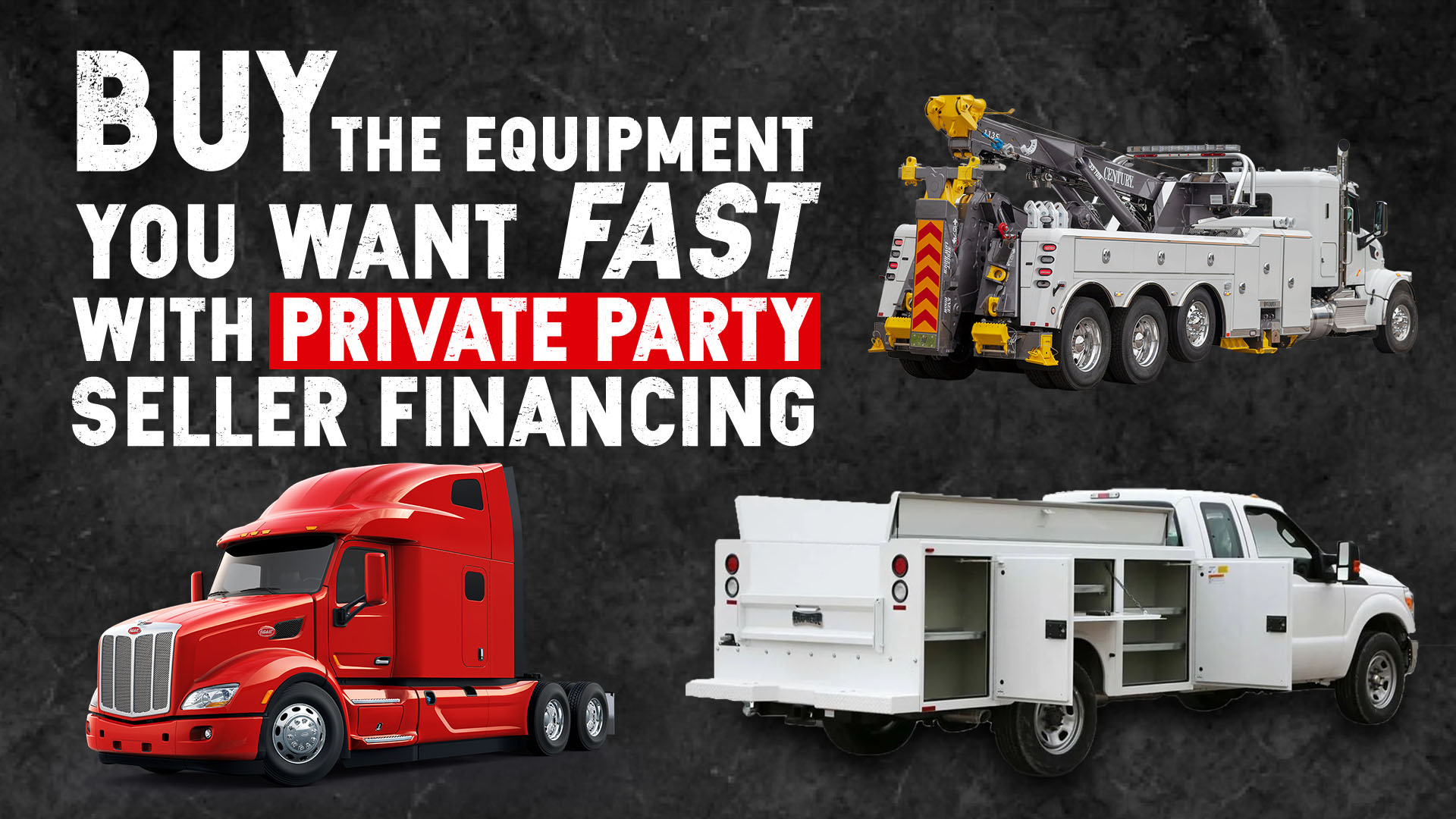
Welcome to CFF-U: Industries | Private Party Financing! [...]

Welcome to CFF-U! Matt Manero: Something is [...]

FILL OUT A CREDIT APP [...]

Welcome to CFF-TV and This Week's Hot Topic! [...]