Equipment Finance Industry Trends Fleet Buyers Face
Equipment finance industry trends are reshaping fleet planning, lender review, and capital decisions for established U.S. operators across markets today.

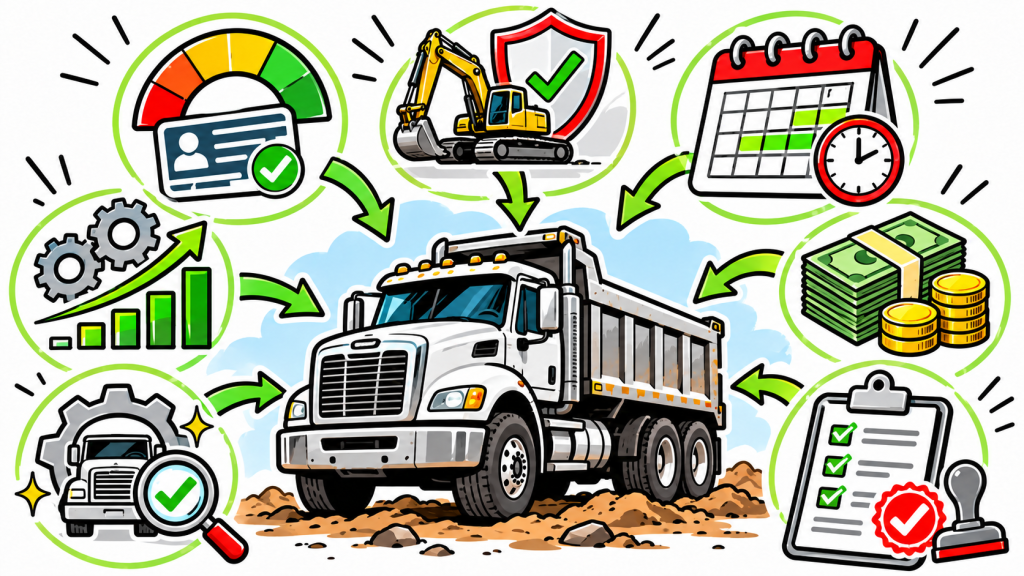
A $250,000 excavator that is available now can solve a production problem. It can also become an expensive delay if the financing package does not match the machine, seller, and business using it. The best construction equipment financing factors are not limited to an interest rate or monthly payment. They determine whether the transaction can close on schedule, preserve working capital, and put productive equipment on the job.
For established contractors, the right decision starts with the revenue the machine will support. A replacement excavator may reduce downtime on a busy earthwork crew. A new skid steer may let a landscaping company add a crew. A late-model dozer may be tied to a signed grading contract. Those are different business cases, and they should be presented differently when financing is being structured.
Lenders and financing sources generally want to understand what the asset is, who will use it, and how it fits the operation. A machine that is central to a contractor’s normal work is often easier to explain than a specialty unit with uncertain utilization.
Be specific. State whether the equipment will replace an aging machine, expand capacity for a backlog of work, support a new contract, or bring subcontracted work in-house. Explain the expected use, such as site preparation, demolition, utilities, paving, material handling, or aggregate work. This context does not replace underwriting, but it helps show that the purchase has a commercial purpose and a defined place in the fleet.
The expected utilization also matters internally. Financing a compact track loader that will run five days a week is a different cash flow decision than acquiring a specialty attachment that may sit between projects. A lower payment can look attractive, but the business should still be comfortable carrying it through seasonal slowdowns, weather delays, and receivable cycles.
Construction equipment financing is asset-based, meaning the equipment itself is a major part of the transaction. That makes age, condition, brand, model, hours, maintenance history, and resale market relevant.
New equipment from an established dealer is usually straightforward to identify and value. Used yellow iron can be just as financeable, but the details carry more weight. A 2019 excavator with documented service records, reasonable hours, and a recognized manufacturer may fit more financing programs than an older machine with unclear ownership history or substantial deferred maintenance.
Asset type can affect available structures as well. Excavators, wheel loaders, bulldozers, backhoes, skid steers, telehandlers, cranes, forklifts, and attachments do not all have the same resale profile. Specialized demolition tools, custom-built equipment, or highly modified units may require more review because the secondary market is narrower.
Do not assume the lowest purchase price is the best financed purchase. An inexpensive machine with excessive hours, worn undercarriage components, or an uncertain title trail can create more friction than a higher-priced, well-documented unit from a reputable seller. The cost of repairs and lost uptime belongs in the decision alongside the payment.
A franchised dealer, established equipment dealer, auction company, and private seller each create different documentation needs. Dealers can often provide a clear invoice, serial number, specifications, and payoff information quickly. Private-party transactions may require additional proof of ownership, lien searches, photos, maintenance records, or verification of the seller.
This does not mean a private sale cannot work. It means the buyer should allow time for the extra steps. If the machine is needed for a scheduled mobilization, gather the documentation before treating the purchase as ready to fund.
Payment is only one part of the structure. The term should make sense relative to the equipment’s age, remaining useful life, expected hours, and the business’s replacement cycle.
Stretching the term may improve monthly cash flow, which can be useful when a contractor is protecting liquidity for payroll, materials, fuel, and project mobilization. The tradeoff is that the business may pay financing costs over a longer period and could carry a balance later in the machine’s life. A shorter term can reduce total financing cost, but it creates a higher payment that must fit the company’s operating cash flow.
A contractor buying a newer machine for a long-term fleet position may prioritize a predictable payment over several years. A buyer acquiring an older used loader for a limited project opportunity may prefer a structure that does not outlast the machine’s expected role. There is no universally correct term. The right answer depends on equipment economics, not just the lowest monthly number.
Down payment is another structural decision. Qualified established businesses may have options that range from a meaningful cash investment to lower-down-payment structures, depending on credit, time in business, asset profile, fleet history, and lender requirements. Putting more down can reduce the financed amount and strengthen the overall request. Keeping more cash on hand may be preferable when the business has near-term project costs. The choice should be deliberate.
Strong personal and business credit can help open more options, but construction equipment financing is not evaluated in a vacuum. Financing sources commonly review the operating business, its time in business, existing debt, payment history, fleet or equipment experience, and capacity to support the proposed obligation.
For a well-established contractor, current financial information can be especially useful when the purchase is substantial relative to the company’s existing equipment base. Depending on the request, this may include recent bank statements, business financials, tax returns, debt schedules, proof of insurance, and information on existing financed equipment.
Consistency matters. If the application says the company is buying a $180,000 loader to expand aggregate operations, its documentation should support that scale of activity. A clear, accurate file is easier to review than one that leaves basic questions unanswered about ownership, revenue, operating history, or intended use.
Construction businesses can be profitable and still experience uneven cash flow. Retainage, long billing cycles, material deposits, payroll, seasonal work, and delayed customer payments all affect when cash is available. Before committing to a payment, model it against a conservative month, not only a peak production month.
Consider the full operating cost of the machine: insurance, transport, fuel, attachments, maintenance, operator wages, and any dealer service plan. If the equipment will replace rented capacity, compare the financed payment with the rental expense it displaces. If it adds capacity, estimate how many billable hours or jobs are needed to justify it.
This discipline also helps determine whether a finance agreement or a lease structure may fit better. The available options and their treatment vary by transaction and financing source, so the decision should be based on cash flow, ownership goals, asset life, and accounting guidance from the business’s own advisors.
Many transactions slow down for reasons unrelated to credit. Missing serial numbers, unsigned purchase orders, payoff issues, outdated insurance certificates, title questions, or changes to the equipment invoice can all delay funding.
The best time to prepare is before the machine arrives at the jobsite. Have a detailed quote or purchase order, seller contact information, equipment specifications, serial number when available, and a clear explanation of the buyer’s legal business name and ownership. Confirm insurance requirements early, particularly for higher-value equipment or assets that will travel between jobsites.
If a dealer is holding a machine for a customer, communication matters. A specialized equipment finance broker such as Commercial Fleet Financing, Inc. can help qualified established businesses coordinate the borrower, seller, documentation, and appropriate financing sources. Approval timing and funding speed remain dependent on the credit profile, asset, seller, documentation, lender requirements, and transaction structure.
The strongest equipment purchase is usually the one that has been evaluated before the seller’s deadline becomes urgent. Know the realistic monthly payment range, how much cash the company wants to retain, the machine’s expected utilization, and the documents that can be provided promptly.
Then ask a practical question: if this machine is down, underutilized, or delayed for two months, does the transaction still make sense? That question keeps a financing decision tied to operating reality. A well-prepared request gives the business more control over the purchase and a better chance to get the equipment into service when the work requires it.
Equipment finance industry trends are reshaping fleet planning, lender review, and capital decisions for established U.S. operators across markets today.
This commercial fleet financing guide explains how established businesses structure vehicle and equipment purchases around cash flow, uptime, and growth.
Learn how to finance forklifts with financing structures, credit factors, and buying steps that protect cash flow, support uptime, and growth plans.
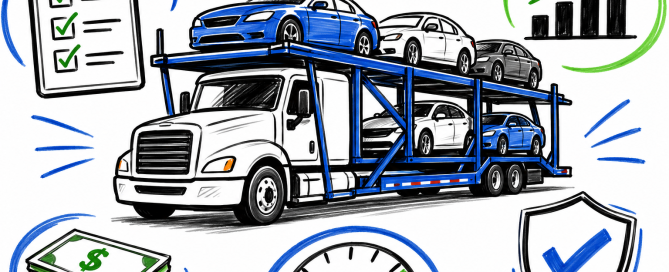
Learn how to finance a car hauler with terms, down payment, asset age, credit, and documentation factors that shape a commercial equipment transaction.
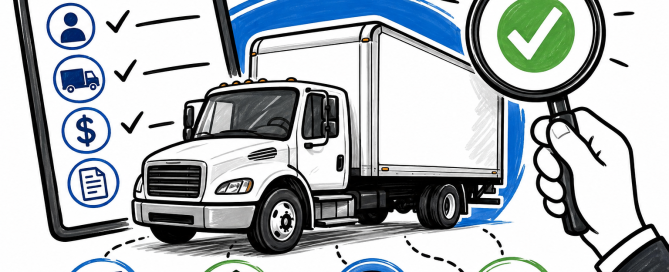
A box truck financing companies review for established businesses: compare lenders, terms, asset rules, documents, and funding support before buying wisely.