Medical Transport Financing Review: What to Check
This medical transport financing review explains how established operators can compare terms, protect cash flow, and put the right vehicle in service.


What Are Your Options When Your Box Truck Lease Ends?
Leasing is a practical choice for many box truck fleet owners and startups, providing flexibility, reduced upfront costs, and access to newer models with improved efficiency and performance. For businesses with changing needs or limited capital, leasing can be a vital strategy for maintaining an agile, well-equipped box truck fleet without the long-term commitment of ownership.
However, as the lease-end date approaches, understanding your options becomes increasingly important. Soon, you’ll be faced with making financing choices that can result in unexpected expenses, impact how you keep your operations on track, and determine whether you’re fully leveraging the value of your investment. Should you renew the lease and keep a familiar vehicle, explore an upgrade to newer technology, buy the truck outright, or return it and reduce the size of your fleet?
In this article, we’ll take a look at the various options that may be available to you at the end of your box truck lease. Each choice comes with its own set of advantages and considerations, and being prepared will put you in the best position to make a financially sound decision that aligns with your business goals.
Renewing your lease can be a practical choice, offering stability and cost advantages, particularly when your truck has been reliable and your business demands are steady. It allows you to keep a vehicle your drivers and team already know, which helps reduce training or orientation time for a new truck model.
Knowing the vehicle’s maintenance history gives you confidence in its reliability, so you’re less likely to encounter unexpected repairs or performance issues. You also have familiarity with the truck’s handling, load capacity, and safety features which means fewer interruptions and smoother operations.
Leasing companies often offer more favorable terms for renewals than new leases, especially when the truck has been well-maintained and driven within mileage limits. Lower monthly payments are common for renewals because you’re continuing with a vehicle that has already depreciated. With these potential savings, you can reduce operational expenses, allowing you to allocate more of your budget to other areas, such as fuel, maintenance, or expanding your fleet.
A renewed lease gives you predictable payments and terms that are already integrated into your financial plan. This continuity is particularly advantageous if your company relies on stable monthly costs for cash flow management. You can better accurately forecast expenses, which simplifies long-term planning and minimizes surprises in monthly budgeting.
There are many reasons you may want to consider renewing a box truck lease, not the least of which include:
Renewal can be especially beneficial if your lease terms were advantageous from the start or if the leasing company offers new terms that are better suited to your current situation. You may also have the opportunity to renegotiate specific aspects of the lease, such as lower monthly payments or adjusting the mileage limit, which can save you money in the long run.
If renewing your current lease doesn’t quite fit your business needs, leasing a new box truck can be a strategic move to upgrade your fleet. With advancements in technology, fuel efficiency, and safety features, adding a newer truck might better support your business’ operational goals and enhance overall productivity – all of which can have immediate and long-term benefits for your business:
Adding a new box truck with the right features and lease structure can help your business maintain flexibility and cost efficiency in a competitive market. But the leasing circumstances need to be right for your business. Consider the two most common types of leases for box trucks and how they could best serve your business model:
Next, explore the kinds of features and benefits you need from your box truck fleet that a new lease will be able to deliver. Are you handling long-haul or local routes? Do you need a certain cargo capacity or payload? Understanding these requirements will help you choose a truck lease option that balances efficiency with the ability to handle your typical workload.
Also, think about how fuel economy and emissions compliance impact your business. Many new trucks are designed to meet higher fuel economy and emissions standards, which can be beneficial for regulatory compliance and cost savings. If this fits with your business priorities, leasing a fuel-efficient, low-emission model aligns with environmental regulations and can enhance your company’s reputation for sustainability.
Finally, what role does performing and funding ongoing maintenance play in your budget? Some leasing companies offer maintenance packages as part of their lease agreements. These packages cover routine upkeep, which can reduce unplanned repair costs and keep your fleet running efficiently. If you can secure a new lease where maintenance is included, you could simplify budgeting and ensure your vehicle remains in peak condition throughout the term.
At the end of many leasing agreements, you may have the option to buy the vehicle rather than continue leasing a box truck, especially if it has proven reliable and fits your long-term needs.
Leasing companies often have a buyout option that allows you to purchase your box truck for a pre-determined price, often referred to as the residual value. This represents the estimated worth of the truck at the end of the lease, calculated at the beginning of the agreement based on factors like expected depreciation, mileage restrictions, and lease length.
If you choose to buy the vehicle, the residual value becomes the purchase price – and ff the truck’s actual market value at lease-end is higher than the residual, buying it may be a financially sound choice. You take ownership of the truck, avoid mileage and wear fees, and potentially build equity within your fleet.
However, some leases offer a fixed-price buyout (where the residual is locked in from the start), while others allow for a market-based buyout at the lease’s end, based on the truck’s current market value. A fixed-price option is predictable and can be advantageous if the truck’s value has appreciated; a market-based buyout gives you flexibility if the truck’s value has depreciated significantly below the residual.
For businesses that prefer flexibility, box truck leasing might be ideal, but ownership can offer long-term value and control, making buying a worthwhile option.
It can be especially valuable for businesses with predictable and stable truck needs, as it eliminates the need to negotiate or renew leases regularly. Over time, the truck may retain value, especially if it has been well-maintained. Should you need to adjust your fleet in the future, owning the truck gives you the option to resell or trade it and recoup some of your investment. For certain truck models with high resale demand, this can be a significant advantage.
When you purchase a box truck, you also build equity in it as an asset that can provide value on your company’s balance sheet. This adds to your fleet’s overall value and can improve your business’s financial standing over time.
If the vehicle is in excellent condition with minimal wear and tear, it may be worth buying to continue using a reliable asset. A well-maintained truck that has performed consistently is likely to serve your business for many more years, saving you the cost and effort of finding and leasing another vehicle.
And when the residual value or buyout price is favorable, buying may be a cost-effective choice. If the residual value is less than or close to the current market price for similar trucks, purchasing the truck allows you to retain an asset without paying a premium.
Returning a box truck at the end of a lease is a flexible option for many businesses, especially if you’re looking to avoid the long-term commitment and costs of ownership. It can be a cost-effective, strategic move to support changing business needs, especially if transportation requirements are project-based or fluctuate seasonally. Some things to keep in mind if you’re considering this option:
For businesses with changing transportation needs, returning commercial trucks at lease-end lets you adjust fleet size without the commitment of ownership. This flexibility is valuable for businesses experiencing seasonal demand changes or those with short-term contracts, as it allows you to scale up or down as needed.
For instance, if you’ve completed a project that required extra transportation capacity, returning the truck ensures you’re not tied to an asset that could sit idle. Similarly, if demand is expected to fluctuate, returning a leased truck allows you to better adjust for future needs without commitment.
By returning the vehicle at lease-end, you avoid the long-term costs associated with ownership, such as ongoing maintenance, repairs, and depreciation. This can free up capital that can be redirected to other areas of your business. The absence of monthly lease payments after returning the truck reduces monthly expenses, which can support cash flow during times of low demand.
Additionally, returning the truck allows you to upgrade to newer models as technology advances, ensuring that your fleet remains up-to-date without the cost of ownership. Many companies find this cycle of leasing and returning vehicles more cost-effective than owning, as it minimizes maintenance burdens and keeps their fleet technologically current.
For businesses with unpredictable or variable transportation needs, returning a truck at lease-end helps simplify fleet management. Without the need to manage resale, secure storage, or oversee long-term maintenance, you can conclude the lease quickly and shift your focus to other priorities. By returning the truck, you can effectively “close the chapter” on the vehicle’s use and make operational decisions that align with your immediate needs.
If traditional box truck leasing options, like renewing, upgrading, buying, or returning your truck don’t quite fit your business’s needs, there are additional options that may provide the right balance of flexibility and cost-effectiveness.
A lease extension allows you to extend the original lease term for a shorter period, often on a month-to-month basis or for a defined, limited duration. Lease extensions can be particularly useful when you have short-term transportation needs that don’t require a long-term commitment.
Short-term leases and seasonal rentals provide a solution for businesses with fluctuating or project-based transportation demands, allowing you to access a vehicle only when you need it.
A lease transfer allows you to transfer the remaining term of your lease to another business. The original lessee (you) finds another business willing to take over the remaining lease term. Once both parties and the leasing company agree, the new lessee assumes responsibility for the monthly payments, mileage limitations, and other lease terms. The leasing company may require a transfer fee, and they’ll typically vet the new lessee’s creditworthiness before approving the transfer.
Your lease-end decision should support your long-term strategy, and having a knowledgeable partner can clarify which option will best serve your business now and into the future. Each box truck leasing option carries its advantages, depending on your business’s operational needs and financial goals. Navigating these choices can be complex, and that’s where the expertise of a trusted partner like Commercial Fleet Financing can make all the difference.
Our financing experts will ensure that you’re guided through each option, from paperwork to cost analysis, allowing you to weigh the pros and cons of each path effectively. We offer tailored advice to help you identify the choice that aligns with your goals—whether it’s optimizing costs, expanding your fleet, or maintaining flexibility. With our guidance, you can avoid potential fees, manage any end-of-lease obligations, and streamline the entire process, making it as straightforward as possible.
Ready to make the right choice for your box truck lease? Contact Commercial Fleet Financing today for personalized guidance and take the next step toward a fleet that meets your evolving needs.
This medical transport financing review explains how established operators can compare terms, protect cash flow, and put the right vehicle in service.
Why equipment age matters in financing: learn how model year, hours, mileage, condition, and seller type can shape terms and approval options on deals.
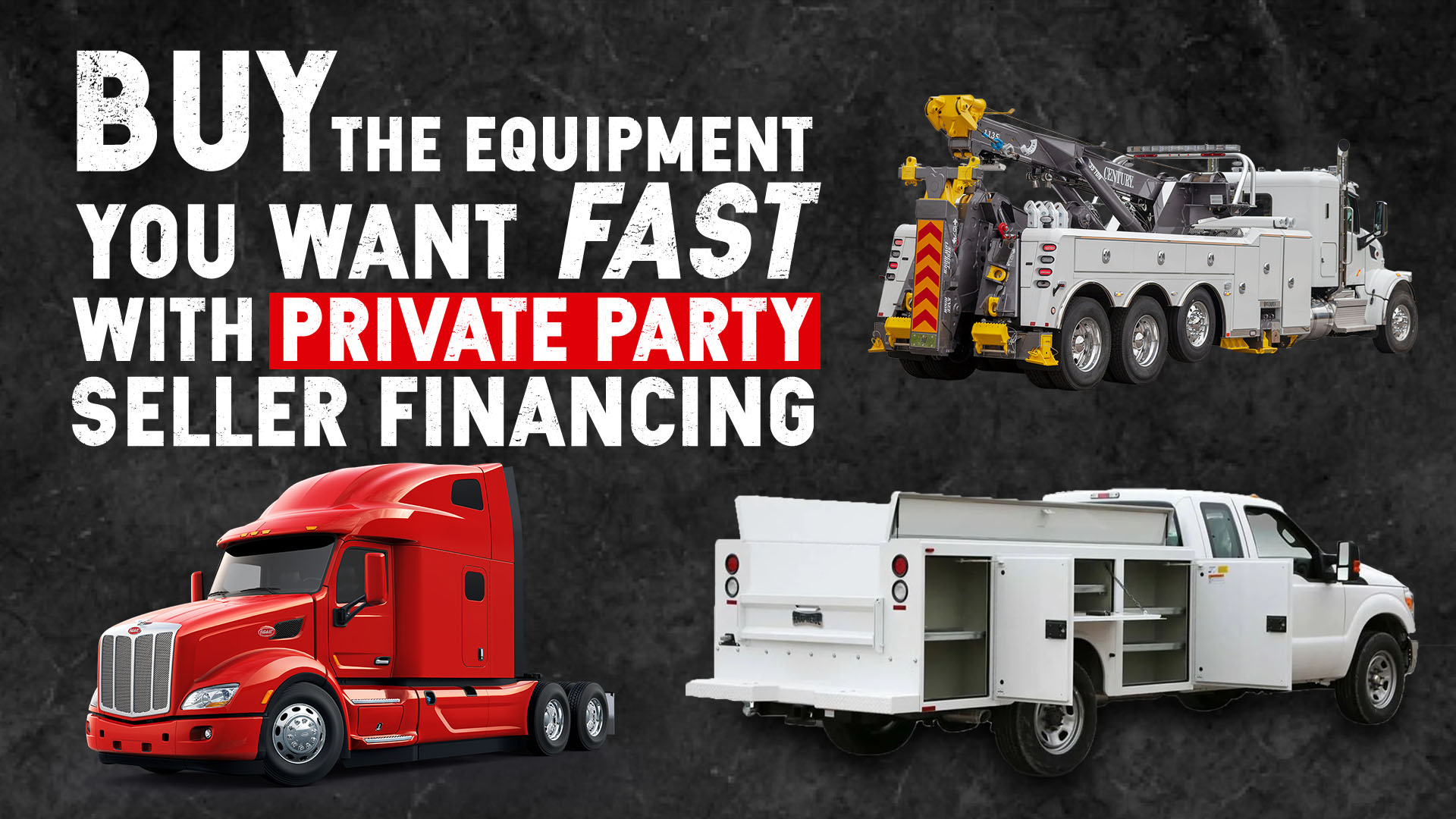
Welcome to CFF-U: Industries | Private Party Financing! [...]

Welcome to CFF-U! Matt Manero: Something is [...]

FILL OUT A CREDIT APP [...]

Welcome to CFF-TV and This Week's Hot Topic! [...]