How to Coordinate Dealer Equipment Funding Deals
Learn how to coordinate dealer equipment funding, align documents and delivery, and keep qualified commercial equipment purchases moving forward on time.


A truck that misses a delivery window, an excavator sitting idle at a jobsite, or a wrecker held up by a hydraulic failure creates costs far beyond the repair invoice. The top equipment upgrades for uptime are the ones that remove known failure points, fit the work your operation actually performs, and can be supported without straining working capital.
For established businesses, the decision is rarely as simple as buying the newest available asset. A newer unit may offer better reliability and operating efficiency, but it also needs to match payload, utilization, driver requirements, maintenance capacity, and the financing structure. The right upgrade keeps revenue-producing equipment in service while giving the business a predictable path out of high-maintenance assets.
Before comparing models or quotes, identify where downtime is occurring. Review maintenance records by unit, including repair frequency, out-of-service days, roadside events, rental expense, overtime, missed jobs, and customer penalties. A unit with manageable monthly repair costs can still be expensive if its failures are unpredictable or if a replacement is unavailable when it goes down.
Age and mileage matter, but they are not complete replacement triggers. A six-year-old tractor with consistent preventive maintenance and favorable operating costs may remain a productive asset. A newer truck with recurring emissions-system issues, chronic electrical problems, or poor parts availability may be a weaker fit. The question is whether the equipment can reliably produce revenue at the utilization level your business needs.
A useful comparison is the total monthly burden of keeping an older asset versus upgrading it. Include projected repairs, downtime exposure, fuel use, insurance differences, and the opportunity cost of turning down work. Then compare that number with the proposed payment, expected maintenance needs, and residual operating risk of the replacement unit.
The best upgrade depends on the job. Equipment chosen solely for a lower acquisition price can become a bottleneck if it lacks the capacity, body configuration, or service support required in the field.
For over-the-road and regional fleets, replacing high-mileage tractors with late-model units can reduce exposure to major engine, transmission, aftertreatment, and cooling-system repairs. However, a late-model truck is not automatically the right truck. Verify the engine rating, axle configuration, wheelbase, sleeper or day-cab arrangement, maintenance history, and intended lane profile.
A regional delivery fleet may benefit more from a properly specified day cab with safety and visibility upgrades than from a highway tractor built for long-haul service. For box trucks, dump trucks, and vocational chassis, body compatibility and PTO requirements are equally important. An otherwise attractive truck can lose weeks of productive time if the upfit, body transfer, or hydraulic installation is not planned before purchase.
Trailers are often overlooked in uptime planning because the tractor gets most of the attention. Yet a trailer with failing floors, doors, suspension components, brakes, refrigeration equipment, or liftgate systems can sideline a revenue run just as effectively.
Upgrading aging dry vans, flatbeds, lowboys, dump trailers, car haulers, or refrigerated units can improve load security and reduce loading delays. The gain is not always mechanical. A trailer configuration that handles the correct cargo dimensions, axle weights, ramp angle, or securement requirements can reduce rejected loads and avoid improvised field solutions.
For fleets that run specialized trailers, parts availability and dealer support deserve as much weight as the purchase price. A less common configuration may serve a niche use well, but it can create longer repair cycles when a proprietary component fails.
Towing, construction, demolition, landscaping, and utility operations depend on the equipment attached to the chassis. A rollback with an underperforming winch, a dump truck with unreliable hydraulics, or an excavator with worn attachments can be an uptime problem even when the base machine starts every morning.
Consider upgrades to hydraulic systems, winches, booms, tool bodies, liftgates, cranes, buckets, couplers, and other working components when those systems are the recurring source of delays. In many cases, replacing or modernizing the specialized equipment is more economical than replacing an entire unit. In other cases, putting a new body on an older chassis only extends the life of an asset that is already nearing major drivetrain repairs.
The tradeoff is integration risk. Confirm who is responsible for installation, commissioning, warranty coverage, and any required inspections. A well-priced chassis and body package can become expensive if responsibility shifts between multiple vendors after delivery.
Excavators, skid steers, loaders, forklifts, and other yellow iron lose value quickly when they sit at a jobsite waiting for service. Newer or late-model equipment may improve uptime through better monitoring, more efficient hydraulic systems, and access to readily available parts. Telematics can also identify excessive idle time, fault codes, unauthorized use, and maintenance intervals before they become job delays.
Telematics are useful only when someone reviews the information and acts on it. A fleet manager who receives alerts but has no service process will not gain much from the technology. Build the workflow first: who receives the alert, who contacts the dealer or service provider, and how is a backup machine assigned if the repair will take longer than expected?
Financing can preserve cash and align payments with the expected productive life of an asset, but it cannot correct an equipment mismatch. Before requesting proposals, document the unit price, seller, serial or VIN when available, year, mileage or hours, intended use, and whether the purchase includes an upfit, warranty, attachment, or delivery cost.
This information helps a specialized equipment finance broker such as Commercial Fleet Financing, Inc. match a qualified business and transaction to appropriate funding sources. It also helps avoid late-stage issues around asset age, seller type, title status, appraisal needs, or whether the financed amount includes soft costs such as installation and freight.
For established companies, lenders commonly consider time in business, business and personal credit profile, existing debt, fleet history, cash flow, down payment, the asset itself, and documentation quality. A newer truck purchased from a franchised dealer may fit one set of underwriting preferences, while a used specialized wrecker from a private seller may require more review. Neither structure is inherently wrong, but the documentation and financing options can differ.
A longer term can lower the monthly payment and preserve liquidity, which may be valuable when multiple units need replacement. The tradeoff is that the business may carry a balance longer while repair exposure increases later in the ownership cycle. A shorter term builds equity faster but can place more pressure on monthly cash flow.
Seasonality matters as well. Construction, landscaping, and certain transportation segments may have uneven revenue during the year. The payment structure should be evaluated alongside insurance, fuel, payroll, and maintenance obligations, not in isolation. Depending on the credit profile, asset, documentation, and lender requirements, some transactions may support flexible structures or lower down payments. Those outcomes should be evaluated case by case rather than assumed.
The strongest replacement plans prioritize units by operational risk, not simply by age. A practical schedule may identify the trucks or machines with the highest repair spend, the assets with the longest parts lead times, and the units attached to critical customers or routes. It should also account for delivery timing, body installation, licensing, driver training, and disposition of the outgoing equipment.
For example, a towing company may replace its most failure-prone rollback before peak demand while retaining a lower-utilization older unit as temporary backup. A contractor may add a late-model excavator before bidding a larger project, then sell or trade an underused machine after the new unit is in service. These decisions protect capacity without assuming every older asset needs immediate replacement.
Vendor coordination matters. Ask for realistic delivery estimates, confirm whether the equipment is physically available, and understand what must occur before it can produce revenue. An approval is only one part of the timeline. Titles, insurance, inspections, body work, deposits, and final documentation can all affect when the asset reaches the field.
The most productive equipment upgrade is the one that makes your operation more dependable without creating a new cash-flow or implementation problem. Bring maintenance history, a clear equipment quote, and an honest view of utilization to the decision. That gives your team and financing partner the information needed to structure a purchase around the work the equipment must perform.

Learn how to coordinate dealer equipment funding, align documents and delivery, and keep qualified commercial equipment purchases moving forward on time.
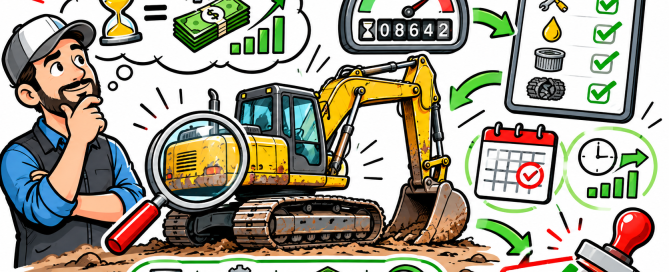
See how lender underwriting evaluates your business, equipment, cash flow, and documents so you can structure a commercial equipment deal with less delay.
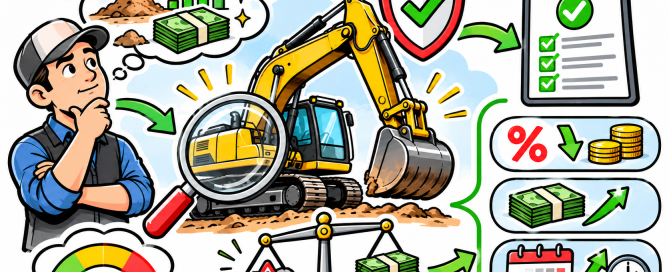
A truck lease comparison for established fleets: evaluate payments, mileage, residual risk, tax treatment, uptime, and end-of-term obligations before sign.
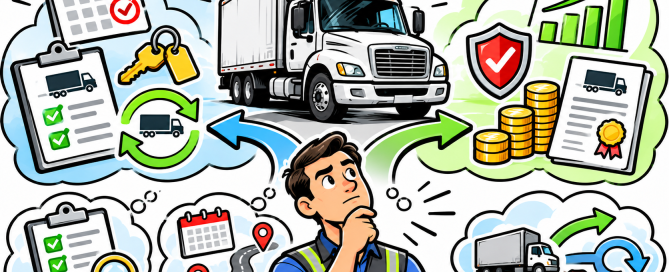
Electric truck financing can preserve working capital while you evaluate range, charging, payload, incentives, and lender requirements for fleet use today.
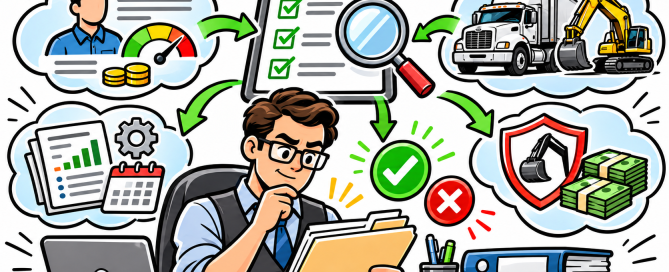
Learn what affects commercial equipment terms, from credit and cash flow to asset age, mileage, down payment, documentation, and lender fit for your deal.