Commercial Financing Options for Working Fleets
Compare commercial financing options for trucks and equipment, protect working capital, and put revenue-producing assets into service with confidence.

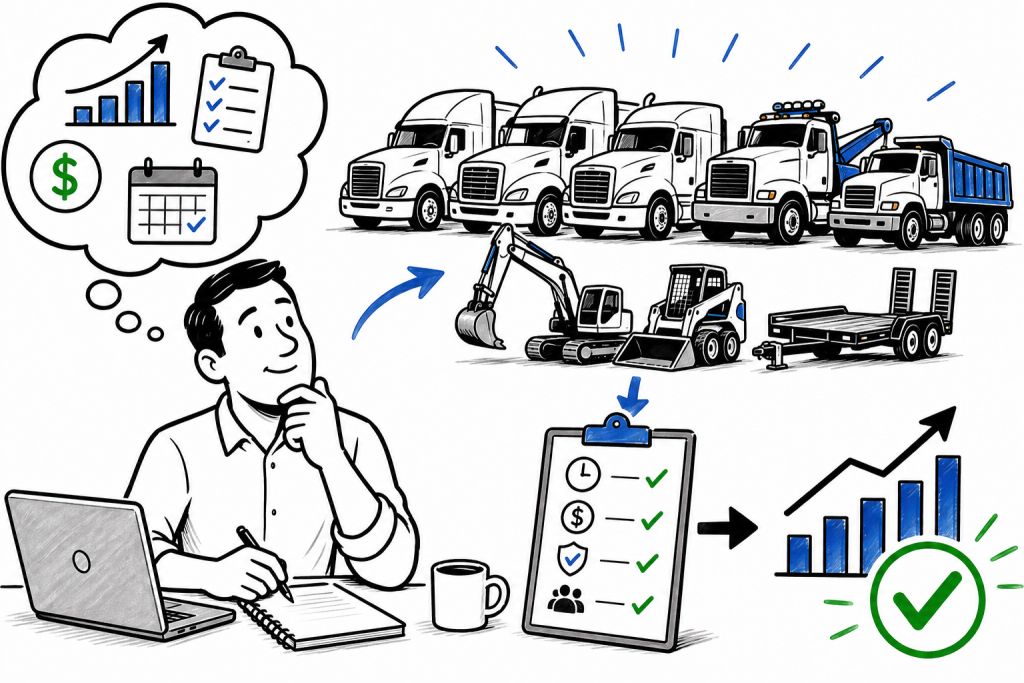
Replacing one truck is a purchasing decision. Replacing five tractors, adding three rollbacks, or buying a package of excavators and trailers is an operating decision with consequences for cash flow, utilization, insurance, staffing, and revenue. This multi-unit acquisition financing guide is for established businesses that need to put several revenue-producing assets into service without tying up more working capital than the transaction requires.
The right structure is not always the one with the lowest monthly payment. It is the one that matches the equipment’s useful life, your expected utilization, the seller’s delivery schedule, and your company’s financial position. A fleet expansion that looks affordable on paper can still create pressure if equipment arrives before drivers, contracts, permits, or body work are ready.
A lender or financing source will evaluate the equipment, but experienced buyers begin with the business case. Define what each unit will do, when it can enter service, and how it will generate or protect revenue.
For example, a towing company replacing four high-mileage wreckers may be solving a downtime problem. A contractor adding two excavators and a skid steer may be supporting awarded work. A regional carrier adding six late-model tractors may be preparing for a dedicated contract or replacing units approaching a costly maintenance cycle. These are different transactions, even if the purchase prices are similar.
Before requesting financing, establish whether the acquisition is a replacement, an expansion, or a mixed purchase. Replacement units can be easier to explain when maintenance records show repeated repairs, excessive downtime, or an aging fleet. Expansion transactions usually require a clear explanation of capacity, available work, driver availability, and projected utilization.
Also separate the equipment cost from the full in-service cost. The purchase may include trucks, trailers, bodies, upfits, specialized attachments, installation, freight, taxes, and documentation fees. Some costs may be financeable depending on the transaction and funding source; others may need to be paid separately. Knowing the complete number early prevents a last-minute working-capital gap.
Financing several units is not simply a single-unit application multiplied by the equipment count. The larger commitment causes underwriters to look more closely at repayment capacity, fleet history, asset quality, and the business’s ability to absorb the new payment.
Established operating history, business and personal credit, bank activity, financial statements, tax returns, debt schedules, and current obligations can all matter. The required documentation varies by transaction size, credit profile, equipment type, and lender requirements.
A business with strong credit and consistent revenue may qualify using streamlined documentation for a modest equipment package. A larger acquisition, a highly specialized asset, or a company with existing debt may require interim financials, fleet schedules, aging reports, or contract information. Documentation is not just an approval hurdle. It gives the financing partner a way to present the deal accurately and identify the most appropriate programs.
For commercial vehicles, underwriters commonly consider the size and age of the existing fleet, years in the industry, maintenance practices, operating authority where applicable, and the intended use of the new units. A company adding four trucks to an established 25-unit fleet is viewed differently from a company attempting to double a small fleet in one purchase.
The use case matters as well. A standard dry van tractor, a rollback, a dump truck, an ambulance, and a specialty crane truck have different resale markets, operating profiles, and lender appetites. Equipment with a clear commercial purpose and a known secondary market is often simpler to finance than highly customized equipment with limited resale potential.
New equipment can offer predictable specifications and warranties, but late-model used equipment may produce a better acquisition cost and faster availability. The trade-off is that lender age limits, mileage limits, inspection requirements, and term options can become more restrictive as assets get older.
Seller type also affects the process. A transaction from an established dealer may have a clean purchase order, serial-number detail, and a straightforward funding process. Private-party purchases can still be financeable, but they often require added verification of ownership, payoff status, condition, title, and seller identity. A package sourced from multiple sellers needs more coordination than a single-vendor order.
Term length should reflect useful life and expected holding period, not just the desire to reduce the payment. Extending the term can preserve monthly cash flow, but it may increase total financing cost and can leave a borrower owing more than the equipment is worth if resale values soften.
A shorter term builds equity faster and may reduce total cost, but it places a heavier demand on monthly cash flow. That can be sensible for equipment with strong utilization and stable margins. It can be less attractive for seasonal businesses or units that will not produce revenue immediately because of delivery, permitting, upfitting, or hiring delays.
Down payment is another strategic decision. A larger down payment lowers the amount financed and may improve the overall structure. Preserving cash may be more valuable, however, when the business also needs funds for insurance deposits, tags, fuel, payroll, tires, mobilization, or equipment setup. Low- or zero-down structures may be available in some situations, but they depend on the borrower, asset, credit profile, time in business, fleet history, documentation, and lender requirements.
Payment timing deserves the same attention. Monthly payments are common, but some businesses may benefit from a structure that better aligns with seasonal revenue or billing cycles, where available. The key is to avoid treating financing as isolated from operations. A payment schedule should support the way the business actually collects cash.
Multi-unit purchases often involve uneven lead times. A dealer may have two units ready now, three arriving next month, and specialized bodies still awaiting installation. Funding every unit before it is ready may not be practical, while waiting for the final unit may delay revenue from equipment that could already be working.
In these situations, discuss whether the transaction should be documented as one coordinated acquisition with staged funding, or divided into separate closings. The better approach depends on lender requirements, vendor invoicing, equipment availability, and the company’s need for speed.
A phased approach can reduce the risk of paying for idle equipment. It may also add administrative work and require multiple documents or approvals. A single closing can simplify administration, but only if delivery timing and vendor requirements are clear. There is no universal answer, particularly when the package includes trucks, trailers, and upfits from different suppliers.
The fastest transactions are usually the best prepared, not merely the smallest. Incomplete specifications, changing purchase orders, unexplained deposits, or missing payoff information can slow an otherwise qualified deal.
For a multi-unit acquisition, organize a clean equipment schedule showing year, make, model, VIN or serial number when available, mileage or hours for used assets, purchase price, and vendor. Include quotes for chassis, bodies, attachments, and freight separately if they are invoiced separately. Provide a clear description of how each unit will be used and identify whether it replaces an existing asset or adds capacity.
Your financing partner may also request current business information, bank statements, financials, a debt schedule, and ownership details based on the structure. If there are existing liens, trade-ins, or units being paid off as part of the purchase, disclose them early. Surprises around title or payoff status are common sources of closing delays.
A multi-unit deal needs more than a rate quote. It requires someone who can evaluate the package, identify likely lender questions, coordinate with vendors, and help keep documentation aligned as equipment details change.
Commercial Fleet Financing, Inc. works as a specialized equipment finance broker and financing partner, helping established businesses present commercial vehicle and equipment transactions to multiple funding sources. That can be especially useful when a package combines different asset types, includes used equipment, or requires a structure that preserves working capital while supporting a near-term operating plan.
Ask practical questions before moving forward: What equipment details are needed for approval? Can delivery dates affect funding? Are age or mileage limits relevant? Which costs can be included? What documentation will likely be required? Clear answers at the beginning help avoid a financing structure that works only until the final invoice arrives.
The best time to discuss financing is when the equipment plan is taking shape, not after a vendor requires a deposit or a replacement unit has failed. A prepared acquisition plan gives your business more control over timing, cash, and the equipment needed to keep work moving.

Compare commercial financing options for trucks and equipment, protect working capital, and put revenue-producing assets into service with confidence.
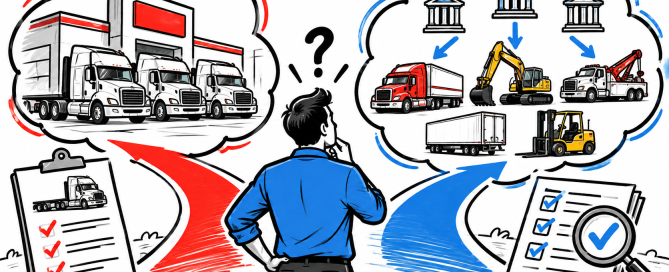
Finance broker versus captive financing: compare lender choice, equipment fit, approval variables, and cash flow before buying commercial assets today.
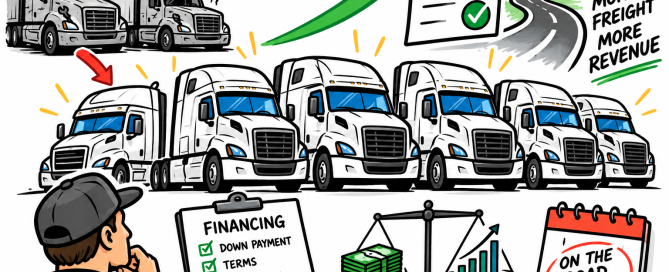
This multi unit fleet example shows how five commercial trucks can be financed while protecting cash flow, managing documents, and timing delivery well.
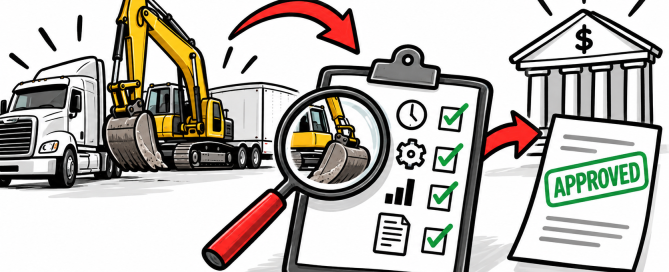
Learn how equipment collateral affects commercial financing, from asset value and condition to advance rates, documentation, and deal structure decisions.
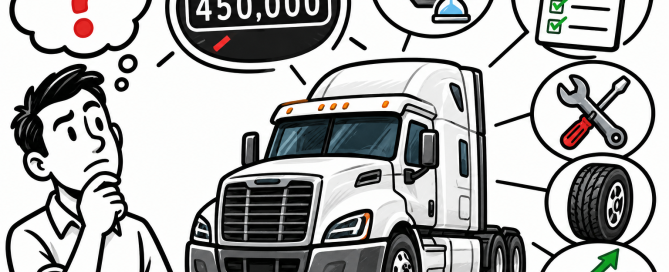
Learn how to evaluate commercial truck mileage before buying or financing, using engine hours, service records, asset age, and intended duty cycle needs.