Medical Transport Financing Review: What to Check
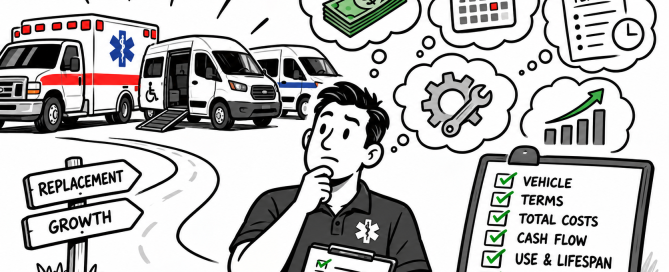
This medical transport financing review explains how established operators can compare terms, protect cash flow, and put the right vehicle in service.

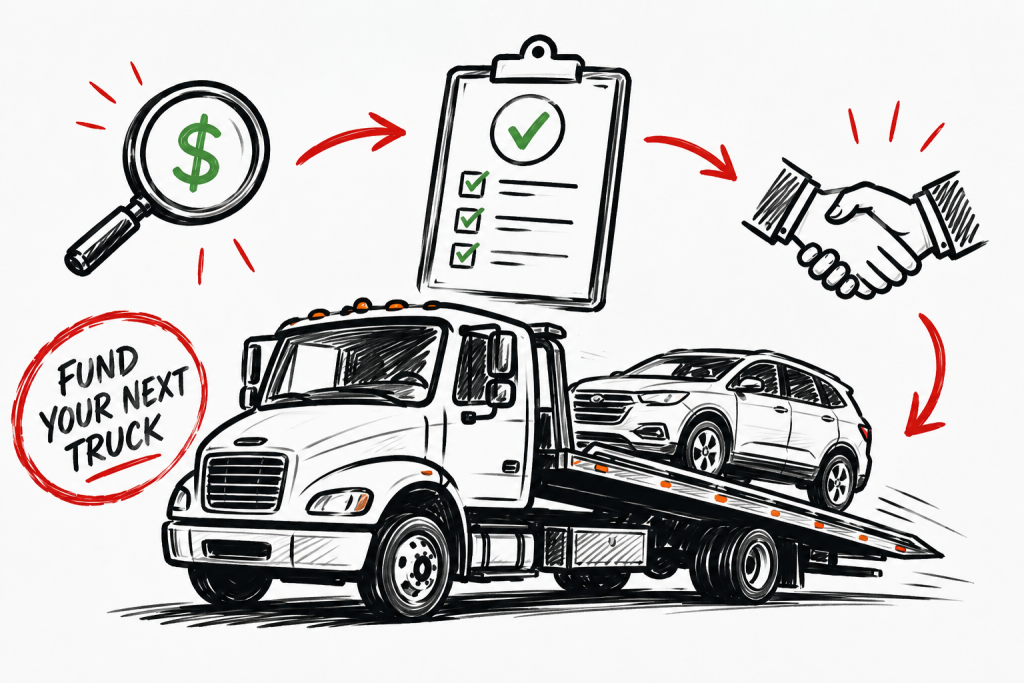
A rollback truck starts earning only when it is on the road, under contract, and available for dispatch. That is why knowing how to finance a rollback truck is less about finding money in the abstract and more about structuring the purchase so the truck supports revenue without putting unnecessary pressure on cash flow.
For tow companies, roadside operators, repossession businesses, transport providers, and fleet managers, the financing decision affects more than the monthly payment. It affects how much working capital stays in the business, how quickly the truck can be placed into service, and whether the deal fits the realities of insurance, licensing, maintenance, and driver availability. A well-structured finance package can help a business acquire the right unit now instead of delaying growth or overextending cash reserves.
The starting point is the truck itself. Financing a new rollback truck often looks different from financing a used unit because lender appetite, term length, advance amount, and documentation can all change based on age, mileage, build quality, and expected service life. A newer rollback with strong specs and a clean invoice may qualify for more flexible terms than an older unit with higher miles or a specialized body configuration.
The second factor is the borrower profile. Time in business, industry experience, annual revenue, bank balance trends, and credit history all matter. A company with established operations and multiple commercial vehicles will usually be viewed differently than a startup tow operator buying its first rollback. That does not mean newer businesses cannot finance equipment. It means the structure may need to be adjusted through down payment, additional documentation, or a lender program better suited to the file.
The third factor is use case. A rollback truck that will be used daily in a revenue-producing towing or transport operation is a commercial asset with a clear business purpose. That generally supports a stronger finance story than a purchase with vague intended use. Lenders want to understand how the truck fits the business and how it will generate income.
Commercial rollback truck financing is typically evaluated through a mix of borrower strength, equipment quality, and deal structure. No single point decides every transaction. One weak area can sometimes be offset by strength elsewhere.
Credit is part of the picture, but it is not the whole picture. A strong credit profile can help with term flexibility and lower required cash in the deal. If credit is less than perfect, lenders may focus more heavily on time in business, industry background, revenue stability, and bank statements. In commercial equipment finance, context matters.
Cash flow matters just as much. A rollback truck may be a productive asset, but the payment still needs to fit the business. Lenders often want to see that the company can support the obligation while still handling fuel, payroll, insurance, tags, repairs, and other operating costs. If the purchase drains every available dollar, the truck can create strain before it creates return.
The equipment matters too. Seller type, vehicle condition, purchase price, make, model, body manufacturer, and overall marketability all play a role. Clean, documented equipment from a reputable dealer or established seller is generally easier to finance than a poorly documented private-party transaction.
A new rollback truck can be easier to structure when the invoice is clean and the build is straightforward. New units may offer longer terms because they usually come with a longer useful life and fewer immediate maintenance concerns. The trade-off is price. A new truck often means a larger total financed amount, which can affect payment size even if the term is longer.
Used rollback truck financing can make excellent business sense when the unit is in good condition and priced correctly. Many operators prefer used equipment because it lowers acquisition cost and can get the truck into service faster. The trade-off is that age and mileage can affect lender options. Some lenders cap term length or require more money down on older units.
If you are comparing new and used, the right choice is usually the one that gives you the best balance of uptime, payment, and remaining service life. The cheapest truck is not always the least expensive decision if it needs immediate work or creates dispatch problems.
Speed in commercial financing usually comes from preparation. A borrower who submits a complete, coherent file often moves faster than one with strong qualifications but missing paperwork.
For many rollback truck transactions, lenders may request a completed application, business formation documents, invoice or bill of sale, equipment specs, and proof of commercial use. Depending on the deal, they may also ask for bank statements, tax returns, financial statements, proof of insurance, or information about existing equipment and debt.
Startups and first-time buyers should expect more questions. That is normal. If the business is newer, lenders may want to understand industry experience, signed contracts, projected use, or available liquidity. Established businesses may have a simpler path if their financial profile clearly supports the purchase.
A specialized commercial financing partner can help organize the package, identify likely documentation needs early, and align the deal with lenders that understand vocational equipment. That matters with rollback trucks because these are not generic passenger vehicles. They are work assets tied directly to operations and revenue.
When business owners ask how to finance a rollback truck, they often focus first on approval. The better question is whether the structure fits the operation.
A lower down payment may preserve working capital for insurance, repairs, staffing, fuel, branding, and onboarding the truck into service. That can be valuable when the business needs to stay liquid. On the other hand, putting more money down may reduce the payment and total finance cost. Neither approach is automatically better. It depends on your margins, reserves, and near-term operating needs.
Term length matters in the same way. A longer term may create a more comfortable monthly payment, which can help seasonal operators or businesses managing several vehicle obligations at once. A shorter term may reduce total cost over time but place more pressure on monthly cash flow. If the rollback truck will be heavily utilized right away, a higher payment may be reasonable. If revenue ramp-up will take time, flexibility may matter more.
This is where deal structure becomes practical, not theoretical. The financing should fit the business cycle of the truck, not just the sticker price.
An established tow company replacing an aging rollback often has a clear case for financing. The old truck may be costing too much in downtime and repairs, and the replacement protects service capacity. In that scenario, financing can help preserve cash while improving reliability.
A growth-stage operator adding another rollback to handle more volume may focus on keeping enough capital available for payroll, fuel, and dispatch expansion. The goal is not simply to own another truck. It is to add revenue capacity without stressing the rest of the operation.
A newer business buying its first rollback usually faces more scrutiny, but not necessarily a dead end. Strong industry experience, a realistic business plan, available cash reserves, and a sensible equipment choice can all strengthen the file. The deal may require a different structure, but it can still be financeable.
One common mistake is shopping for the truck before understanding the budget. That often leads to a unit that does not fit the company’s actual buying capacity or operating plan. It is better to know the likely structure range early, then shop with clarity.
Another mistake is underestimating total startup or acquisition costs. The truck payment is only one piece. Insurance on rollback trucks can be significant, and registration, setup costs, repairs, and working capital all need room in the budget.
Poor documentation also slows deals down. Missing invoices, unclear seller information, inconsistent business financials, or unexplained bank activity can create avoidable delays. Clean paperwork helps everyone move faster.
Finally, some buyers focus only on the rate and ignore the full structure. Advance amount, term, down payment, collateral quality, and monthly payment often matter just as much as pricing. A deal that looks attractive on one number alone may not be the best operational fit.
Rollback truck financing is easier when the financing partner understands commercial equipment, vocational trucks, and the urgency behind putting assets into service. That includes knowing how lenders view equipment age, commercial use, seller type, and borrower profile, while helping structure the deal around real business conditions instead of generic loan assumptions.
Commercial Fleet Financing works with businesses across the U.S. that need funding solutions for revenue-producing equipment, including rollback trucks and other commercial vehicles. The value is not just access to financing programs. It is support with deal structure, documentation, lender fit, and funding coordination so the transaction has a better chance of moving efficiently.
If you are buying a rollback truck, the smartest move is to approach financing as part of your operating plan. The right structure should help the truck go to work, support cash flow, and make the purchase easier to carry while the equipment does what it is supposed to do – generate revenue.
This medical transport financing review explains how established operators can compare terms, protect cash flow, and put the right vehicle in service.
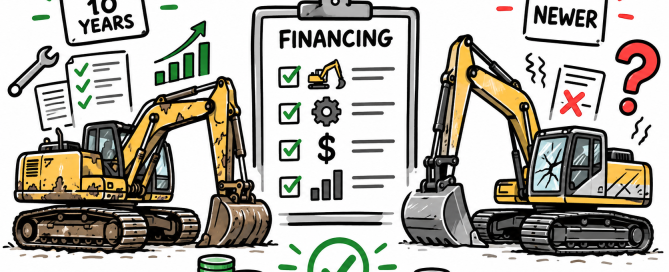
Why equipment age matters in financing: learn how model year, hours, mileage, condition, and seller type can shape terms and approval options on deals.

Learn how to fund equipment upgrades while protecting cash flow, comparing structures, preparing documentation, and putting productive assets to work now.

US fleet financing helps established businesses replace, add, or upgrade revenue-producing equipment while protecting cash flow and planning fleet uptime.

Get clear answers to equipment financing questions about terms, down payments, collateral, documentation, and funding timelines for commercial assets.