Equipment Collateral: What Lenders Evaluate
Learn how equipment collateral affects commercial financing, from asset value and condition to advance rates, documentation, and deal structure decisions.

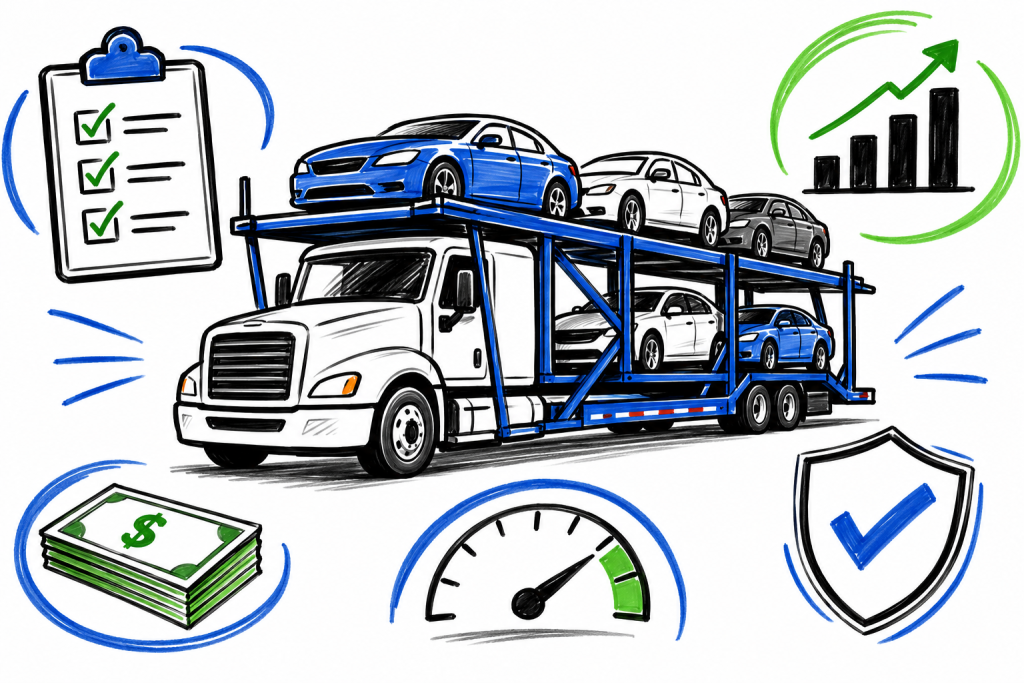
A car hauler that sits at a dealer waiting for paperwork is not producing revenue. For an established transport, towing, auction, logistics, or dealership operation, knowing how to finance a car hauler starts with defining the asset correctly, documenting its business use, and structuring payments around the work it will perform.
A five-car wedge trailer, a high-mount tractor and trailer combination, and a rollback used for vehicle transport may all be called car haulers, but they are evaluated differently. The equipment price matters, but so do the age and condition of the asset, the seller, your fleet history, and whether the proposed payment fits the revenue and operating costs tied to the unit.
Before requesting financing, separate the purchase into the equipment components a funding source will need to evaluate. A car-hauling operation may be acquiring a trailer only, a truck-mounted hauler, a tractor paired with a specialized trailer, or a complete used transport package. The distinction affects collateral, valuation, insurance requirements, titling, and available financing structures.
New equipment from an established dealer is generally simpler to document because the invoice, serial numbers, vehicle identification numbers, and manufacturer specifications are clear. Used equipment can be a sound business purchase, particularly when it is available quickly and ready for service. However, lenders may look more closely at model year, mileage, condition, maintenance history, title status, and seller type.
A late-model trailer purchased from a reputable dealer is usually a different transaction than a 15-year-old hauler bought privately. Private-party purchases may require additional documentation, such as a clear title, payoff information if there is a lien, photos, and an inspection or valuation. If the equipment needs repairs before it can operate, factor that cost into the total project rather than treating it as an afterthought.
The right structure depends on whether preserving working capital or minimizing the total financing cost is the more immediate priority. Many established businesses use an equipment finance agreement or commercial loan with fixed periodic payments and ownership at the end of the term. A lease may also fit certain situations, depending on the equipment, expected replacement cycle, and the business’s preferences for end-of-term options.
Term length should match the useful life and expected deployment of the hauler. Extending the term can reduce the monthly payment, which may help a company keep cash available for fuel, insurance, driver payroll, repairs, permits, and dispatch expenses. The tradeoff is that a longer term can increase the total financing cost and may leave less flexibility if the company wants to replace the equipment sooner.
A larger down payment can reduce the amount financed and may strengthen a request involving older equipment, a higher-mileage truck, or an asset with a narrower resale market. But using too much cash for a down payment can create pressure elsewhere in the operation. Low-down or, in some cases, zero-down structures may be possible for well-qualified businesses and suitable equipment, but availability depends on credit strength, time in business, fleet history, asset details, documentation, and lender requirements.
Consider the payment in the context of utilization. If a new unit will replace an unreliable hauler that is losing dispatches or generating repeated repair bills, the decision is not simply whether the payment is affordable. It is whether the replacement improves uptime, capacity, safety, and revenue consistency enough to justify the commitment.
Commercial equipment financing is based on both the borrower and the collateral. Strong personal and business credit can help, but it is not the only consideration for an established operation. A financing source also wants to understand the business behind the request and whether the asset makes operational sense.
Common review points include time in business, annual revenue, existing debt obligations, bank activity, fleet size, payment history, and the experience of the ownership team. A company that has operated car haulers or comparable commercial vehicles for several years presents a different profile than a business entering the transport segment for the first time.
Asset details carry similar weight. Expect questions about the make, model, year, VIN or serial number, purchase price, mileage for powered units, and whether the seller is a dealer, manufacturer, auction, or private party. A clean equipment quote with taxes, fees, delivery charges, and any add-ons identified helps prevent last-minute changes to the approval request.
Insurance is another practical requirement. The hauler generally needs physical damage coverage, and the finance company will typically need to be listed as a loss payee or additional insured as required by the transaction documents. Transportation companies should also confirm that their commercial auto, cargo, and operating authority arrangements support the intended use before taking delivery.
A complete file can reduce friction during underwriting and closing. The exact documents vary by transaction, but established businesses are commonly asked for a completed application, business formation details, ownership information, an equipment quote or purchase agreement, and recent financial information. Depending on the size and complexity of the request, bank statements, business tax returns, financial statements, or proof of insurance may also be needed.
Do not wait until the truck or trailer is ready for pickup to identify gaps in the file. If the seller has a payoff, confirm who holds the title and how the lien release will be handled. If an auction purchase has a strict payment deadline, make that clear early. If the purchase includes aftermarket ramps, winches, toolboxes, tie-down systems, or modifications, ask whether those items can be included in the financed amount and make sure they appear on the invoice.
For businesses buying a tractor and trailer from different sellers, coordinating both transactions is especially important. One asset may be ready before the other, and each seller may have different documentation and payment procedures. A structure that works for a trailer-only purchase may not fit a combined equipment package.
The cheapest advertised hauler is not always the most financeable or the best operational purchase. A lower price can be offset by difficult title work, uncertain condition, missing records, expensive repairs, or a limited resale market. Buyers should inspect used equipment carefully and verify that the configuration matches their route, cargo, loading process, and compliance needs.
For example, a seven-car trailer may add capacity but require a different tractor specification, driver experience level, and insurance profile than a smaller wedge trailer. A rollback may offer flexibility for local recovery and dealer transport but may not produce the same economics as a dedicated multi-car setup. Financing should support the operating plan, not force the business into an asset that is mismatched to its work.
It is also worth comparing vendor quotes on more than the purchase price. Delivery timing, warranty coverage, included equipment, title readiness, and the seller’s experience with commercial transactions can affect how smoothly a deal closes. A vendor that can promptly provide accurate invoices and equipment details helps everyone involved move with fewer corrections.
A specialized equipment finance broker can help evaluate the transaction before a buyer commits to a seller or payment structure. Commercial Fleet Financing, Inc. works with established businesses nationwide and can coordinate with multiple funding sources based on the borrower profile, equipment type, seller, and requested structure. That can be useful when a transaction involves used equipment, multiple assets, a private-party seller, or a timing-sensitive replacement.
The goal is not just to obtain an approval. It is to line up the asset, documentation, insurance, seller requirements, and funding process so the hauler can enter service with fewer avoidable delays. Decisions and funding timelines vary by the credit profile, equipment, documentation, lender requirements, and overall deal structure.
Before placing a deposit, gather the equipment quote, identify the exact business use, estimate expected monthly utilization, and review how the purchase fits your replacement or growth plan. A clear conversation about the asset and your operating history can reveal the practical financing path before a vehicle hauler becomes an urgent problem at the end of the month.
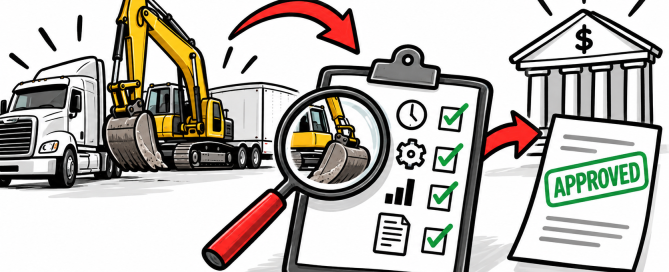
Learn how equipment collateral affects commercial financing, from asset value and condition to advance rates, documentation, and deal structure decisions.
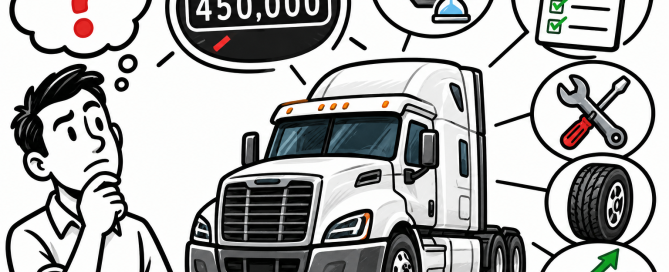
Learn how to evaluate commercial truck mileage before buying or financing, using engine hours, service records, asset age, and intended duty cycle needs.
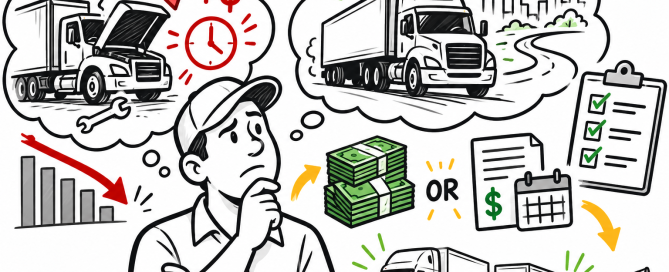
Fleet cash flow affects uptime, buying power, and growth. Learn how established businesses can plan equipment purchases while protecting working capital.
Compare fleet loans versus credit lines for equipment purchases, repairs, and expansion. See how terms, collateral, cash flow, and timing shape the choice.
This medical transport financing review explains how established operators can compare terms, protect cash flow, and put the right vehicle in service.