

Heavy Equipment Financing: A Complete Guide for Business Owners
Running a successful business in industries like construction, transportation, or agriculture often depends on having the right tools and machinery. From excavators and loaders to cranes and trucks, heavy equipment is the backbone of day-to-day operations. But purchasing these machines outright can put a tremendous strain on working capital, especially for growing companies that need to balance cash flow with ongoing expenses.
That’s where heavy equipment financing comes in. Instead of tying up large amounts of cash in a single purchase, business owners can spread the cost of equipment over time. This approach not only makes it easier to acquire the machinery you need today but also preserves liquidity for payroll, materials, and expansion opportunities.
In this guide, we’ll explore everything you need to know about heavy equipment financing – from the different types of financing options available, to the benefits, process, and strategies to secure the best terms. Whether you’re a first-time borrower or looking to upgrade your existing fleet, this guide will help you make an informed, confident choice.
Key Takeaways
- Heavy equipment financing helps businesses preserve cash flow, access better equipment, and build long-term credit.
- Loan vs. lease decisions should align with your project timelines, asset usage, and budget flexibility.
- Financing provides benefits beyond affordability, including tax advantages, flexibility, and access to newer, more efficient equipment.
- Preparation matters – clean credit, strong documentation, and understanding the total cost of ownership all improve your deal.
- Commercial Fleet Financing brings 25+ years of industry-specific experience, fast approvals, and tailored solutions for construction, logistics, and transportation businesses.
What Is Heavy Equipment Financing?
At its core, heavy equipment financing is the financial bridge between needing a $250,000 excavator and actually getting one. Instead of paying up front, businesses secure funds through loans, leases, or hybrid structures. This allows them to acquire essential machinery in time while preserving liquidity.
This financing option typically covers a wide range of machinery, including construction vehicles, agricultural equipment, transportation trucks, and even specialized tools required for niche industries. In most cases, the equipment itself acts as collateral, which can make approval easier and more accessible compared to unsecured loans.
There are two common paths businesses use:
- Equipment Loans – You borrow money to purchase the equipment, make regular payments, and gain ownership once the loan is fully repaid.
- Equipment Leasing – Instead of buying, you rent the equipment for a set period. At the end of the lease, you may return it, extend the lease, or purchase the equipment, depending on the terms. This flexibility is gold in industries where tech evolves fast or project scopes shift.
As markets evolve and equipment gets more specialized (and expensive), financing is no longer a fallback, but a strategic essential. Whether you’re scaling a fleet or replacing aging assets, understanding how financing works could be the difference between staying competitive or falling behind.
Types of Heavy Equipment Financing Options

Not all financing is the same. Depending on your business goals, cash flow, and how long you expect to use the equipment, different options may make more sense. Here are the most common types of heavy equipment financing available to business owners:
1. Equipment Loans
An equipment loan works much like a traditional business loan. You borrow a lump sum from a lender to purchase the equipment, and the machinery itself often serves as collateral. Once you’ve made all the scheduled payments, you own the equipment outright.
Best for: Businesses that plan to use the equipment long-term and want to build equity in their assets.
2. Equipment Leasing
Leasing allows businesses to use equipment for a fixed period in exchange for regular payments. Unlike a loan, you don’t necessarily own the machinery at the end of the term. Though many leases include purchase or renewal options.
Advantages:
- Lower upfront costs.
- Easier access to newer technology or upgraded models.
- Payments may be tax-deductible as an operating expense.
Best for: Companies that prefer flexibility, want to upgrade often, or need equipment for a shorter project duration.
3. Sale-Leaseback Agreements
If your company already owns equipment, a sale-leaseback can help improve cash flow. In this arrangement, you sell the equipment to a financing company and immediately lease it back. You keep using the machinery while freeing up working capital for other needs.
Best for: Businesses that need liquidity but don’t want to lose access to their essential equipment.
4. Vendor or Dealer Financing
Sometimes, equipment manufacturers or dealers partner with financing providers to offer in-house lending options. While this can be convenient, it’s important to compare terms, as vendor financing may not always be the most cost-effective.
Best for: Companies looking for a streamlined purchasing and financing process, often with incentives tied to specific brands or models.
5. Government-Backed or Alternative Programs
Small Business Administration (SBA) loans and other government-backed programs are also options. However, they usually come with longer approval timelines, stricter eligibility requirements, and more paperwork. Similarly, alternative lenders may offer faster approvals, but often at slightly higher interest rates.
Best for: Businesses with the time and resources to navigate detailed applications, or those who cannot qualify for traditional financing.
While each option has its advantages, many business owners prefer working with specialized providers like Commercial Fleet Financing (CFF), which can offer speed, flexibility, and industry expertise. CFF helps companies secure loans, leases, and sale-leaseback solutions quickly and efficiently to keep operations running smoothly.
Loan vs. Lease: Which Is Right for Your Business?
Both loans and leases are popular forms of heavy equipment financing, but the right choice depends on your business goals.
A contractor working on multi-year infrastructure projects may lean toward loans for maximum ROI. Meanwhile, a landscaping business that scales up each spring might prefer leases to keep costs lean and equipment fresh.
Here’s how they stack up side by side:
| Factor | Loan (Finance) | Lease (Finance) |
|---|---|---|
| Ownership | You own the equipment once paid off. | You use the equipment but don’t automatically own it. |
| Upfront Costs | Often requires a down payment. | Lower upfront cost; sometimes zero down (with approved credit). |
| Monthly Payments | Higher, but contribute toward ownership. | Lower, but you won’t build equity. |
| Flexibility | Less flexible—equipment stays with you long-term. | More flexible—easier upgrades at lease end. |
| Best For | Businesses using equipment heavily for many years. | Businesses that want flexibility, frequent upgrades, or lower initial costs. |
if you want to build equity and keep the equipment long-term, a loan makes sense. If flexibility and cash flow matter most, leasing may be the smarter option.
Also Read: Should You Lease or Finance a Dump Trailer?
Benefits of Heavy Equipment Financing
Investing in heavy equipment is a major decision for any business. Financing helps reduce the financial strain of large purchases while giving companies the flexibility they need to operate efficiently. Here are some of the key advantages:
1. Preserves Cash Flow
Buying equipment outright can tie up significant capital that could otherwise be used for payroll, materials, or expansion. Financing allows businesses to spread costs over time, keeping cash reserves available for other operational needs and unforeseen challenges.
2. Access to Modern, Efficient Equipment
Financing opens the door to newer, more efficient machines that might otherwise be out of reach. That means improved productivity, less downtime, and fewer maintenance nightmares. It’s an upgrade to both gear and output.
3. Tax Advantages
Depending on the structure of the financing, businesses may be able to deduct interest payments, depreciation, or lease expenses. This can reduce taxable income and make financing more cost-effective than paying cash. Consulting with a tax professional ensures you maximize these benefits.
4. Flexible Payment Structures
Financing options are designed to fit a variety of business models. Whether you need lower monthly payments, seasonal payment plans, or zero-down options, financing can be tailored to align with cash flow and project cycles.
5. Builds Business Credit
Consistently making payments on equipment financing helps strengthen your company’s credit profile. Over time, this can improve access to additional funding, better terms, and larger lines of credit.
Also Read: Construction Equipment Finance Options: Which Is Right for You?
Tips to Secure the Best Financing Terms

Getting approved for heavy equipment financing is one thing. Getting a deal that doesn’t cost you more than it should? That’s where the smart money plays. Whether it’s your first excavator or your tenth reefer trailer, here’s how to lock in better terms.
1. Clean Up Your Credit Profile
Lenders often evaluate both personal and business credit. A strong score can help secure lower interest rates, but even businesses with less-than-perfect credit may still qualify if they can offer collateral or a down payment.
2. Compare Multiple Lenders
Not all financing providers offer the same structures, rates, or repayment flexibility. Take time to compare banks, credit unions, and specialized equipment financing companies to find the best match for your needs.
3. Compare More Than Just Rates
Monthly payments are only one piece of the puzzle. Be sure to account for additional costs such as insurance, delivery, installation, and potential fees. Evaluating the total cost of ownership will help you avoid surprises.
4. Match Terms to Cash Flow
Financing should align with how your business generates revenue. Seasonal businesses, for example, may benefit from flexible or deferred payment schedules that match their income cycles.
5. Negotiate Whenever Possible
If you are a repeat customer or financing multiple pieces of equipment, don’t hesitate to ask for better terms. Many lenders are willing to offer discounts or customized structures to earn your business.
6. Consider a Sale-Leaseback for Liquidity
Options like sale-leaseback agreements can free up cash tied to equipment you already own. This can be a useful way to improve liquidity while still keeping essential machines in operation.
Preparation and strategy go a long way in securing favorable equipment financing. By improving your credit, comparing options, and structuring payments around your cash flow, you can access the equipment you need on terms that support long-term growth.
Why Choose Commercial Fleet Financing (CFF)?

When it comes to heavy equipment financing, one-size-fits-all rarely fits well. That’s where Commercial Fleet Financing earns its keep.
With over 25 years in the game, CFF isn’t dabbling in equipment lending; it’s their core business. They specialize in financing for transportation, logistics, and construction sectors. So, they understand the quirks of each industry, from seasonal cash flow swings to the real-world value of used gear.
Speed matters. While traditional banks may take weeks to deliberate, CFF can deliver approvals in as little as 24 to 48 hours for new as well as old equipment. That means you’re not waiting on paperwork while contracts sit idle or machines gather dust.
Flexibility is baked in. Whether your credit profile is rock solid or still in rebuild mode, CFF structures deals to fit your reality – not just the ideal applicant on paper.
And unlike faceless platforms, their team stays with you from application to funding. Real people, real answers, no black holes of email support.
If you want a financing partner that knows your world, doesn’t slow you down, and won’t treat you like just another loan file, Commercial Fleet Financing is worth a call.
Final Thoughts
Heavy equipment financing is more than a way to acquire machinery. It is a strategic tool that allows businesses to preserve cash, access modern equipment, and stay competitive without overextending resources. Whether you choose loans, leases, or sale-leaseback arrangements, the right financing strategy can strengthen your operations and position your company for long-term growth.
Choosing the right partner is just as important as choosing the right financing option. That is why many business owners turn to Commercial Fleet Financing (CFF). With fast credit approvals, flexible programs, and nearly three decades of industry expertise, CFF has helped more than 10,000 businesses secure the equipment they need to grow and succeed.
Frequently Asked Questions About Heavy Equipment Financing
Blog Articles
Medical Transport Financing Review: What to Check
This medical transport financing review explains how established operators can compare terms, protect cash flow, and put the right vehicle in service.
Why Equipment Age Matters in Equipment Financing
Why equipment age matters in financing: learn how model year, hours, mileage, condition, and seller type can shape terms and approval options on deals.
CFF-Industries Series
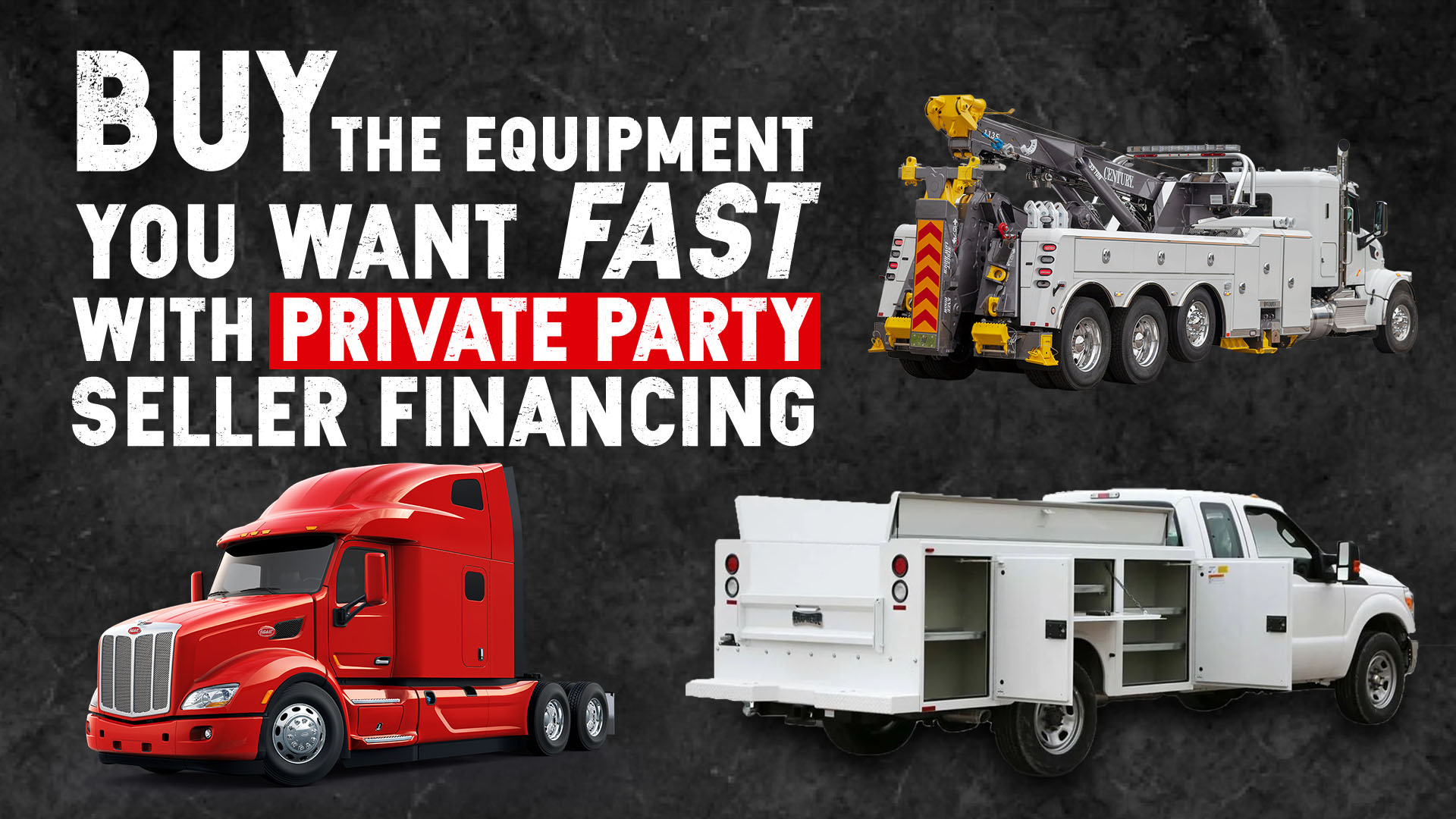
CFF-TV Ep. 7 | CFF-U: Private Party Financing – Online Marketplace, Facebook Marketplace, Craigslist, Friends, & Dealers
Welcome to CFF-U: Industries | Private Party Financing! [...]

CFF-TV Ep. 6 | CFF-U: Why Dump Trucks Are Booming! With Jeff Williams
Welcome to CFF-U! Matt Manero: Something is [...]
Hot Topics

Interest Rates Are Going Up! | CFF-TV Ep. 8
FILL OUT A CREDIT APP [...]

CFF-TV Ep. 5 | Hot Topics: Negativity In The Trucking Industry
Welcome to CFF-TV and This Week's Hot Topic! [...]