Does Equipment Age Matter in Commercial Financing?
Does equipment age matter? Learn how age, mileage, condition, seller type, and useful life can affect commercial equipment financing options and timing.

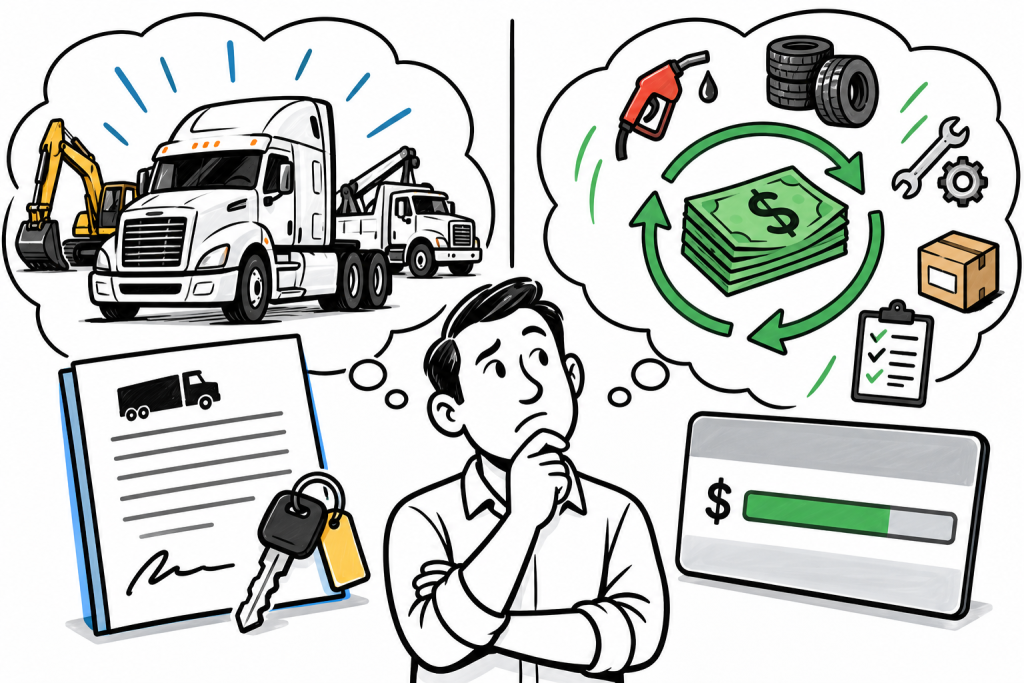
A tractor goes down, a customer contract adds two routes, or a reliable used rollback becomes available from a dealer. The financing decision has to support the operational decision without putting unnecessary pressure on working capital. That is where fleet loans versus credit lines become materially different choices, not just different names for business financing.
A fleet loan is generally built around a specific asset and a defined repayment schedule. A business line of credit is usually a revolving source of capital that can be drawn, repaid, and drawn again within an approved limit. Both can have a place in a well-run fleet, but they solve different problems.
A fleet loan, often structured as equipment financing, is intended for an identified revenue-producing asset. The business selects the truck, trailer, excavator, ambulance, or other equipment; the financing is arranged around that purchase; and payments are made over an agreed term. The asset commonly serves as collateral for the financing.
That structure makes sense when the purchase has a useful operating life measured in years. A late-model sleeper tractor, a new dump truck, a car hauler, or a fleet of cargo vans can generate revenue over a predictable period. Matching the repayment term to the expected service life of the equipment can help preserve cash flow while the asset is working.
A credit line is more flexible by design. Rather than financing one specified unit, it gives an established business access to capital up to a limit. Interest is generally charged on the amount drawn, not the entire approved line. Once amounts are repaid, availability may replenish, subject to the line’s terms and the lender’s requirements.
For example, a towing company may use a credit line to cover a short-term payroll gap caused by a delayed municipal payment, purchase parts for several wreckers, or manage an unusually large insurance deductible. Those are working-capital needs. Financing a $250,000 heavy-duty rotator through the same line may consume too much availability and leave less room for the operating needs the line was intended to cover.
A loan or equipment-finance structure is usually the cleaner choice when the business is acquiring a defined, long-lived asset and wants the payment tied to that asset. It can also be more appropriate when preserving an operating line for fuel, payroll, maintenance, receivables gaps, and other recurring expenses matters to management.
Consider a regional carrier replacing three older tractors with units that have better fuel economy, lower downtime risk, and remaining useful life that supports a multiyear term. A separate financing structure for each acquisition, or a single structure covering the package, may provide a clearer view of equipment cost and monthly obligations. It also prevents the replacement cycle from competing directly with everyday liquidity.
The same logic applies to a construction company adding an excavator or skid steer for a secured project pipeline. The equipment is identifiable, has resale value, and is expected to produce income over time. Those are factors equipment-finance sources commonly evaluate.
The proceeds from asset financing are generally dedicated to the purchase. A business cannot ordinarily use funds approved for a box truck to cover fuel, shop rent, or a payroll shortfall. There may also be documentation requirements tied to the asset, including a purchase order, invoice, title information where applicable, serial numbers, seller details, and insurance requirements.
Asset age, mileage, condition, and seller type can matter. A newer truck from a franchised dealer may fit more financing programs than a high-mileage unit bought in a private-party transaction. That does not make used equipment unfinanceable, but it can affect term length, advance rate, down payment expectations, and which funding sources are a fit.
A credit line is often more useful when the need is recurring, variable, or not linked to a single asset. Businesses with seasonal revenue patterns may use one to bridge normal timing differences between paying operating expenses and collecting receivables. A landscaping company, for instance, may need short-term liquidity before spring work accelerates. A medical transport provider may need capital to manage payroll and repairs while waiting for contracted receivables to clear.
Lines can also be useful for smaller, frequent fleet expenses that would be inefficient to finance one by one. Tires, major repairs, deposits, permits, technology upgrades, parts inventory, and unexpected recovery expenses may be better handled through working capital than through a separate asset transaction.
A line is not free cash that remains available indefinitely. It may be reviewed periodically, and availability can be affected by financial performance, borrowing-base formulas, collateral reporting, payment history, or other agreement terms. Some lines also carry variable rates, which can make borrowing costs less predictable than a fixed-payment equipment structure.
There is also a discipline issue. Using a revolving line for a long-lived truck purchase can create a mismatch: the business may be paying down the vehicle from cash flow while also needing the line for day-to-day operations. If the line is substantially drawn when a major repair or receivables delay occurs, flexibility can disappear at the wrong time.
The first question should not be, “Which option has the lower stated rate?” The better question is, “Which structure best matches the asset, the revenue cycle, and the company’s available liquidity?”
A loan may have a longer repayment period because it is secured by a specific piece of equipment. That can lower the monthly payment compared with paying down the same amount quickly on a revolving line. A lower monthly payment can be valuable when a new vehicle takes several weeks to be deployed, staffed, branded, and fully productive.
However, total borrowing cost, fees, prepayment provisions, payment frequency, collateral requirements, and down payment all deserve review. A shorter-term structure may cost less in interest but create a payment that strains the business during a slower season. A longer term can protect monthly cash flow but may increase total financing cost. The right answer depends on the company’s margins, utilization expectations, replacement plan, and risk tolerance.
Both options typically require a lender or funding source to understand the business behind the request. Established operations with documented revenue, positive payment history, commercial experience, and a clear use of funds are generally easier to evaluate than businesses without operating history.
For fleet equipment financing, the review may focus closely on the asset and transaction. Useful details include the make, model, year, mileage or hours, purchase price, vendor, intended use, existing fleet size, and whether the unit is replacing an aging asset or supporting new work. Time in business, business and guarantor credit, bank statements or financial statements, and current debt obligations may also affect available structures.
For a credit line, the emphasis may lean more heavily toward overall liquidity, receivables, cash conversion, financial reporting, and the business’s ability to manage recurring obligations. The asset itself may matter less if the line is for general working capital.
A specialized equipment finance broker such as Commercial Fleet Financing can help qualified businesses present the transaction in a way that addresses both the equipment details and the lender requirements. Access to multiple funding sources can be useful when a deal involves older equipment, a mixed asset package, a nontraditional vendor, or a business that needs to preserve a separate operating line.
Start with the use of funds. If the money will buy a specific vehicle or machine expected to work for years, explore asset financing first. If the need will recur and the exact use may change from month to month, a credit line may be the more logical tool.
Then look at concentration risk. Ask how much of the available credit line would be consumed by the equipment purchase and what operating needs could arise before it is repaid. A fleet with several older units, thin parts inventory, or customer payment cycles longer than 30 days may need more working-capital capacity than management initially assumes.
Finally, consider timing and documentation early. A clean quote, accurate equipment specifications, current financial information, and clarity around the seller can reduce avoidable delays. Fast decisions or funding may be possible in some transactions, but timing depends on the credit profile, time in business, fleet history, asset, documentation, lender requirements, and deal structure.
The strongest financing decision usually leaves the business with both productive equipment and enough liquidity to keep that equipment moving. Treat the fleet loan as a tool for long-term assets and the credit line as a tool for operating flexibility, then structure each purchase around the pressure it will place on cash flow.
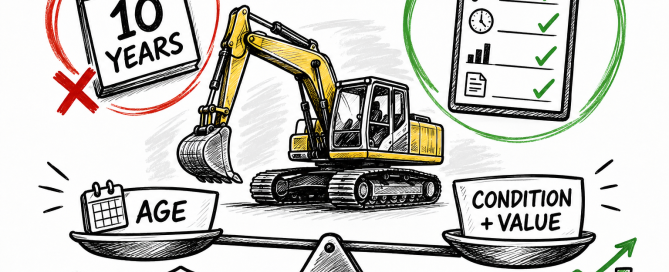
Does equipment age matter? Learn how age, mileage, condition, seller type, and useful life can affect commercial equipment financing options and timing.
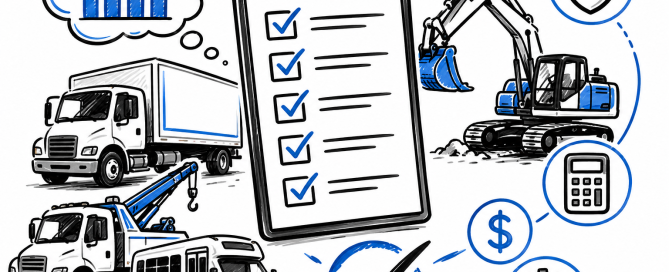
Use this fleet acquisition checklist to assess equipment fit, costs, financing readiness, vendors, and uptime before committing capital to a purchase.
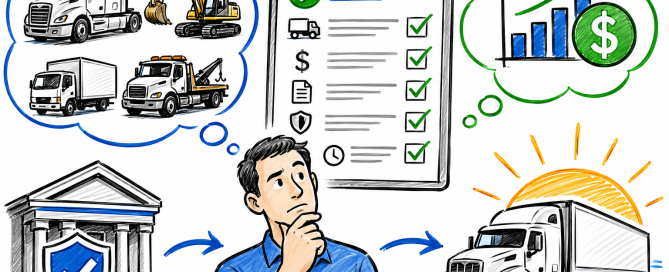
A fleet financing partner review helps established businesses compare lender access, equipment knowledge, terms, timing, and support before they commit.

Learn how to finance ambulances with terms that protect cash flow, fit vehicle specifications, and help qualified medical fleets stay ready for service.
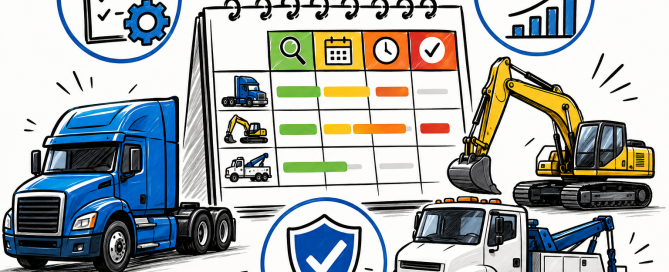
Learn how to plan equipment replacements around uptime, cash flow, resale value, and financing so your fleet stays productive as assets age and costs rise.