Does Equipment Age Matter in Commercial Financing?
Does equipment age matter? Learn how age, mileage, condition, seller type, and useful life can affect commercial equipment financing options and timing.

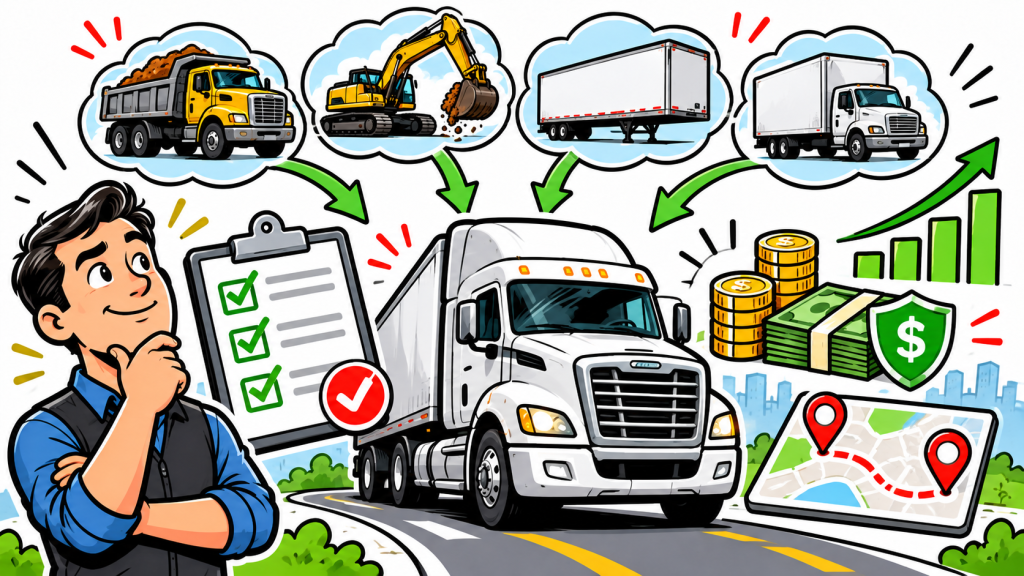
A truck sitting in a repair bay, an excavator tied up on another job, or a trailer that can no longer meet a customer’s freight requirements is more than an operational inconvenience. It can limit billable work. The right equipment acquisition examples show how established businesses can replace or add productive assets without unnecessarily draining the cash needed for payroll, fuel, materials, and day-to-day operations.
For a fleet manager or CFO, the question is rarely just whether to buy equipment. The real question is how to acquire the right asset, from the right seller, on terms that match its useful life and the company’s operating plan. A newer truck may improve uptime but require a larger capital commitment. A well-maintained used unit may preserve cash but need more documentation and a closer review of mileage, condition, and remaining service life.
Equipment acquisition is the process of obtaining revenue-producing business assets through a cash purchase, equipment financing, lease structure, or other commercial arrangement. In fleet-dependent industries, the asset needs to earn its place quickly. It should support contract demand, improve capacity, replace a costly aging unit, or solve a documented operational bottleneck.
Financing is often considered when a company wants to preserve liquidity while putting a truck, trailer, piece of yellow iron, or industrial machine into service. The structure must fit both the equipment and the transaction. Lenders commonly evaluate the borrower’s time in business, business and personal credit profile, fleet history, financial statements or bank activity, down payment, equipment age, seller type, and intended use.
The following examples are not approval scenarios or promises of terms. They illustrate the practical decisions established businesses make when acquiring commercial equipment.
A regional carrier operates several late-model tractors but has one unit with high mileage, frequent emissions-system repairs, and rising out-of-service risk. Waiting for a complete failure could leave a driver without a truck and create service problems for a key shipper.
The company identifies a newer used sleeper or day cab from an established dealer. Instead of using cash for the full purchase price, it may finance the unit over a term that reflects the truck’s age, mileage, and expected remaining useful life. A down payment can reduce the amount financed and may improve available structures, but the appropriate amount depends on the overall credit and collateral profile.
This is a replacement decision, not simply a fleet expansion. The operational case rests on lower repair exposure, better driver retention, compliance requirements, and more predictable uptime. The lender will typically want clear details on the truck, including VIN, mileage, year, purchase price, seller information, and insurance requirements.
A carrier wins additional dedicated freight but does not need more tractors immediately. Its constraint is trailer availability. Acquiring dry vans, refrigerated trailers, flatbeds, or specialized equipment can be the more direct way to capture the work.
Trailer acquisitions are often straightforward when the borrower has an established operating record and the assets come from a recognized dealer or manufacturer. Still, trailer type matters. A refrigerated unit includes a reefer system with its own age and condition considerations. A specialized lowboy or heavy-haul trailer may have a narrower resale market, which can affect lender appetite and structure.
The business should compare the trailer payment against expected utilization, not just projected revenue. A trailer assigned to consistent contracted freight may justify a different acquisition decision than one intended for speculative spot-market volume.
A towing company may need a new rollback to replace a unit with excessive chassis wear or add capacity for municipal, police rotation, dealership, or roadside-assistance work. The acquisition includes more than the truck itself. The chassis, bed manufacturer, winch capacity, wheel-lift configuration, and intended recovery work all matter.
For a lender, a completed wrecker or rollback purchased from an established dealer is generally easier to evaluate than a partially assembled unit or a private-party truck requiring a major conversion. A business buying a chassis and arranging a separate body installation should expect more coordination, including invoices, build details, insurance information, and potentially staged funding requirements.
The best structure reflects the completed asset value and realistic delivery timeline. Financing a truck that cannot enter service for months because the body builder is behind schedule may require more careful planning than purchasing an in-stock completed unit.
A civil contractor has been renting an excavator for recurring site work. Rental provides flexibility, especially for short projects or specialized attachments, but the monthly cost can become difficult to justify when the machine is consistently utilized.
Buying or financing an excavator can make sense when the contractor has a credible pipeline, operators available, and a plan for transport, maintenance, and storage. The machine’s hours, model year, maintenance history, attachments, and dealer support are central considerations. A low-hour used excavator from a reputable dealer may be attractive, while an older unit purchased at auction can require a more conservative underwriting approach.
The trade-off is utilization risk. Ownership may lower long-term operating cost for a heavily used machine, but a contractor with uneven project volume may value rental flexibility more. The answer depends on backlog quality, seasonal work patterns, and whether the machine can be deployed across multiple crews.
Not every equipment acquisition involves a highway vehicle. A distributor may be losing productivity because its warehouse has too few forklifts for inbound receiving, order fulfillment, and loading windows. The cost is not always visible on a repair invoice. It appears as delayed shipments, overtime, damaged product, and missed dock appointments.
A company may acquire electric forklifts, internal-combustion units, reach trucks, or pallet-handling equipment based on aisle width, lift height, load weight, battery requirements, and daily duty cycle. The acquisition should include the supporting infrastructure. For electric units, that can mean chargers, battery handling, and facility electrical capacity.
Because industrial equipment varies widely, accurate quotes and specifications matter. A lender needs to understand exactly what is being financed, particularly when the purchase includes several units, attachments, service plans, or accessories.
A non-emergency medical transportation provider may need wheelchair-accessible vans, stretcher-capable units, or other purpose-built vehicles to serve new routes or facilities. These vehicles must meet practical operating needs, including passenger capacity, lift configuration, interior layout, maintenance support, and applicable state or local requirements.
The acquisition decision should be tied to documented demand and dispatch capacity. A vehicle with a specialized conversion can support a higher-value service, but it can also be more difficult to replace, repair, or resell than a standard cargo van. The seller’s experience with commercial and mobility vehicles can reduce documentation friction because conversion details and final invoices are clearer.
A wholesaler or last-mile operator secures a recurring delivery route and needs a 26-foot box truck with a liftgate. Leasing short term may bridge a temporary gap, but a financed purchase may be more suitable when route volume is durable and the truck will operate consistently.
The business should evaluate payload, body condition, liftgate capacity, fuel type, route mileage, driver availability, and maintenance coverage. A low purchase price on an older truck can be misleading if it brings high maintenance costs or cannot meet customer image and delivery-window expectations.
For established businesses, the credit file is only one piece of the decision. The route economics, equipment suitability, and documentation quality also affect how efficiently a transaction can move from quote to funding.
A landscaping, roofing, or utility contractor may buy a package that includes a truck, trailer, skid steer, attachments, and related tools. Packaging the transaction can simplify procurement, but it requires clean documentation. The quote should separate each major asset, identify serial numbers where available, and clarify whether taxes, delivery, installation, or extended warranties are included.
One finance structure may work for the entire package, or different asset types may need separate treatment. A truck and a skid steer do not always carry the same useful life or lender preference. Breaking out the assets helps a financing partner assess the deal and coordinate with the vendor without delaying delivery.
The best approach begins with the business objective. If the priority is replacing a failure-prone truck, speed and equipment availability may matter most. If the objective is entering a new service line, the company should scrutinize utilization assumptions and resale risk. If cash flow is tight during a seasonal ramp-up, preserving working capital may carry more weight than minimizing the total financing cost.
Prepare the transaction before requesting financing. Have the equipment quote, seller contact, asset details, business information, recent financial documentation if requested, and a clear explanation of how the asset will be used. Private-party purchases, older equipment, auction transactions, and custom builds can all be financeable in the right circumstances, but they tend to require more diligence than a standard dealer transaction.
Commercial Fleet Financing works with established businesses nationwide as an equipment finance broker and financing partner. A productive first discussion focuses on the asset, vendor, operating history, timing, and transaction goals. That information helps determine which funding sources and structures may be worth pursuing.
The strongest acquisition is not necessarily the newest or least expensive piece of equipment. It is the asset that can enter service reliably, support the work already in front of the business, and leave enough operating capital for the company to perform once the equipment arrives.
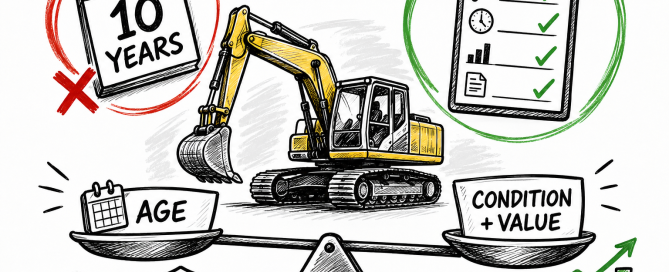
Does equipment age matter? Learn how age, mileage, condition, seller type, and useful life can affect commercial equipment financing options and timing.
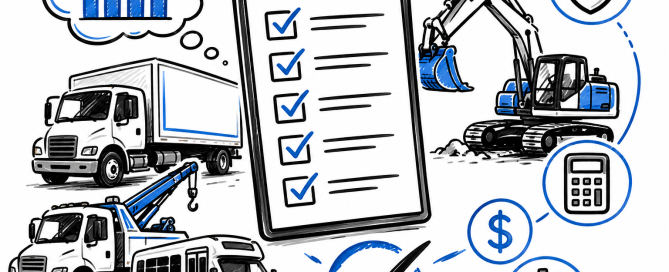
Use this fleet acquisition checklist to assess equipment fit, costs, financing readiness, vendors, and uptime before committing capital to a purchase.
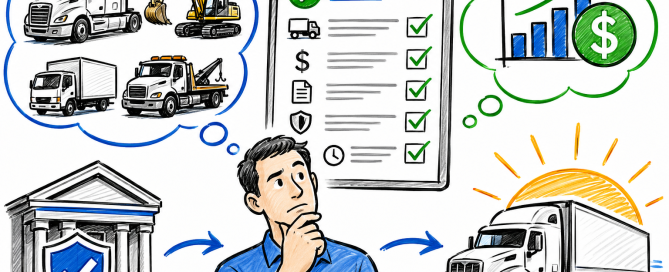
A fleet financing partner review helps established businesses compare lender access, equipment knowledge, terms, timing, and support before they commit.

Learn how to finance ambulances with terms that protect cash flow, fit vehicle specifications, and help qualified medical fleets stay ready for service.
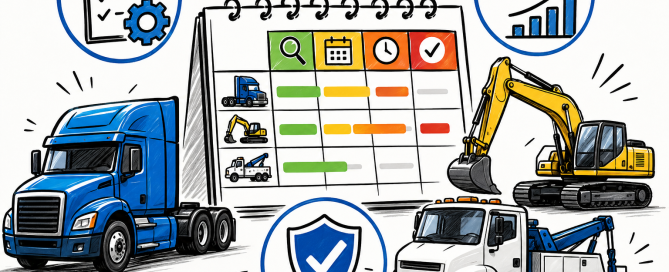
Learn how to plan equipment replacements around uptime, cash flow, resale value, and financing so your fleet stays productive as assets age and costs rise.