Fleet Financing Checklist Before You Buy
Use this fleet financing checklist to assess equipment, cash flow, documentation, and deal structure before adding or replacing commercial vehicles first.

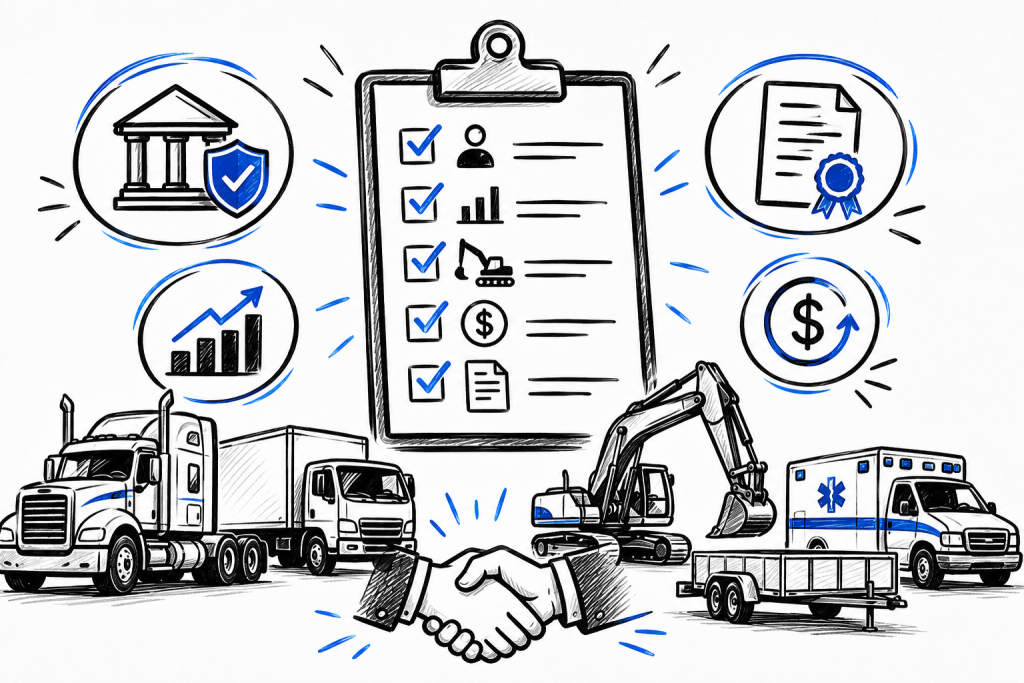
When a truck, trailer, excavator, forklift, or ambulance is tied directly to revenue, financing is usually less about theory and more about timing. A solid commercial equipment financing requirements guide helps business owners understand what lenders are actually looking for before they quote a job, commit to a replacement cycle, or try to put a new unit into service.
The biggest misconception is that equipment financing starts with the machine. It usually starts with the borrower. The asset matters, but approval strength often comes down to how clearly the business can show stability, capacity, and a reasonable use case for the equipment being purchased.
Most equipment finance approvals are built around a few core questions. Is the business legitimate and active? Does it have the cash flow to support the payment? Is the equipment commercially viable? Does the deal structure make sense for the borrower, the asset, and the lender program?
That means lenders are not reviewing just one number, such as a credit score. They are looking at the full file. For an owner-operator buying a used semi-truck, the emphasis may lean heavily on driving history, time in business, and available down payment. For a construction company adding yellow iron, the focus may shift toward operating history, bank strength, and whether the equipment supports existing contracts or growth.
In practical terms, requirements usually fall into five categories: borrower profile, business financial strength, equipment details, transaction structure, and documentation quality. A weakness in one area does not always kill a deal, but it often changes the terms, the down payment expectation, or the type of lender program that fits.
For most commercial equipment transactions, lenders want to know who is borrowing and how the business is set up. A legal business entity, good standing, and clear ownership are basic starting points. Sole proprietors, LLCs, corporations, and partnerships can all qualify, but the documentation required may vary.
Time in business matters because it helps lenders gauge operating experience. A company with several years of successful operation generally has more options than a startup. That said, startups are not automatically excluded. A startup borrower may still qualify if the principals have strong industry experience, a clean credit profile, liquidity, and a sensible equipment purchase.
Personal credit is often part of the review, especially for closely held businesses. Many commercial lenders want to see the credit strength of the principal owner or guarantor, not because the deal is consumer-based, but because smaller and mid-sized commercial transactions are often underwritten with both business and personal support in mind. Strong credit can improve flexibility. Weaker credit can still be workable, but it may require more equity in the deal or tighter structure.
A lender will usually be more comfortable financing a rolloff truck for an established waste company than for a brand-new entity with no operating background. Experience reduces perceived risk. If the business is newer, showing management experience in the same industry can help offset limited time in business.
Credit is rarely the only factor, but it is still a major one. Lenders typically review payment history, outstanding debt, derogatory events, and overall credit management. A file with a few past issues may still move forward if the explanation is reasonable and the current business performance is solid. Recent serious delinquencies, unresolved tax issues, or frequent overdrafts tend to create more friction.
A revenue-producing asset should support growth, but lenders still want to see that the business can carry the payment from day one. That is why bank statements, financials, or both are often requested. The exact documentation depends on deal size, borrower profile, and lender program.
For smaller ticket transactions, streamlined approvals may rely on a simple application, bank statements, and basic business information. Larger or more complex transactions often require more depth, including tax returns, profit and loss statements, balance sheets, or interim financials.
Cash flow review is not just about whether the business made money last year. Lenders also look at liquidity, recent deposit activity, existing debt load, and whether the business appears stable enough to absorb a new obligation. A contractor may be profitable on paper but still face approval questions if cash is tight and current obligations are already stretched.
This is where deal structure becomes important. Extending the term, adjusting the down payment, or aligning payment frequency with business cycles can improve the fit. Seasonal operators, transportation fleets, and specialty service businesses do not always fit the same underwriting box.
Not all equipment is viewed the same way. A late-model dump truck with a clear commercial use and strong resale market is generally easier to finance than a highly specialized unit with limited secondary market demand. Lenders care about collateral value because the asset itself supports the transaction.
New equipment often opens more options than used equipment, but used units are financed every day. The key variables are age, condition, mileage or hours, manufacturer reputation, and how easy the equipment would be to value and remarket if needed. A clean, well-documented used tow truck from a reputable seller is a different file than an older unit with incomplete records and uncertain value.
A lender or financing partner will usually ask for the invoice, purchase order, or seller quote; the year, make, model, and serial number; equipment condition; seller information; and whether the unit is being purchased from a dealer, vendor, or private party. Additional detail may be needed for titled vehicles, rebuilt units, specialized bodies, or equipment with unusual configurations.
Commercial use also matters. Equipment intended for business operations is the core fit. The clearer the revenue purpose, the stronger the file tends to look. Replacing an aging service truck, adding trailers to handle contracted freight, or purchasing an excavator for active construction work is easier to explain than a loosely defined purchase with no clear operating plan.
Many buyers ask one question first: how much down is required? The honest answer is that it depends. Some well-qualified borrowers and equipment types may support low-down structures. Other transactions require more equity because of borrower profile, startup status, equipment age, or credit concerns.
Down payment is one way lenders manage risk. It shows borrower commitment, lowers the financed amount, and creates more collateral protection. If a buyer has limited time in business, marginal credit, or is purchasing older equipment, a higher down payment may help move the deal into an approvable range.
That does not always mean the borrower should put down as much as possible. Preserving working capital is often just as important as minimizing the financed amount. For a fleet operator managing maintenance, payroll, and fuel costs, keeping liquidity available may be the smarter move if the structure still works.
A surprising number of delays come from incomplete files, inconsistent information, or missing seller paperwork. A good application package does more than check boxes. It tells a coherent story.
If the legal business name on the application does not match the bank statements, or if the invoice does not line up with the equipment described, underwriters stop and ask questions. The same happens when borrowers cannot clearly explain ownership structure, intended use, or recent credit events.
This is one area where a specialized commercial financing partner adds real value. Knowing what documentation lenders typically require, how to present a startup file, how to structure a multi-unit fleet expansion, or how to address equipment-specific issues can reduce back-and-forth and improve approval efficiency. For businesses buying revenue-producing vehicles and equipment, that matters because every extra day can affect delivery, deployment, and income.
An established fleet adding late-model tractors will not face the same review as a first-time owner-operator buying a used sleeper. A municipal contractor replacing aging vocational trucks may need a different structure than a medical transport operator adding non-emergency vehicles. The requirements are similar in principle, but the underwriting emphasis changes.
Strong borrowers with clean credit, consistent cash flow, and equipment that fits a proven business model usually have the widest range of options. Newer businesses, startups, credit-challenged borrowers, and transactions involving older or specialized equipment can still be financeable, but the file has to be structured more carefully.
That is why preparation matters. Before applying, buyers should know the equipment details, gather clean business documentation, review recent bank activity, and be ready to explain how the asset supports operations. Sellers and vendors benefit from the same discipline. Clean quotes, accurate equipment specs, and responsive documentation help move deals from quote to approval and funding with less friction.
The best financing outcomes usually come from matching the right borrower, the right equipment, and the right structure early rather than trying to fix avoidable issues late. If you are planning a purchase, think like an underwriter before you think like a buyer. That approach saves time, protects working capital, and gives the equipment a better chance to start earning sooner.
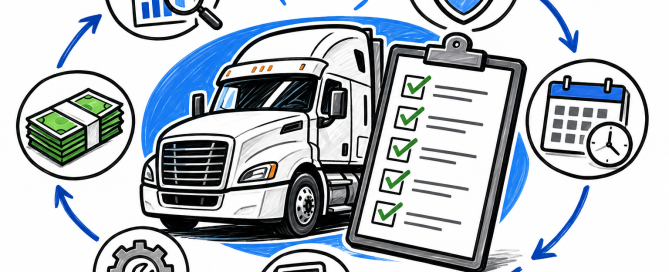
Use this fleet financing checklist to assess equipment, cash flow, documentation, and deal structure before adding or replacing commercial vehicles first.

Used versus new equipment financing affects cash flow, uptime, collateral value, and approval structure. Compare the right purchase for your commercial fleet.
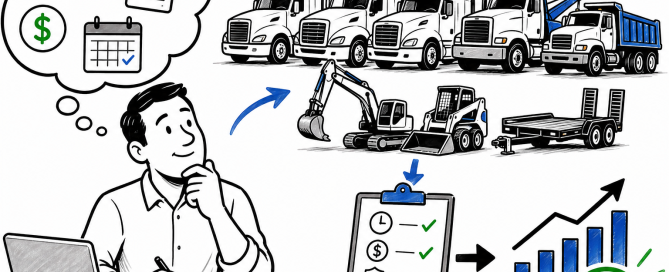
A multi-unit acquisition financing guide for established businesses buying trucks or equipment while protecting cash flow, uptime, and expansion plans.
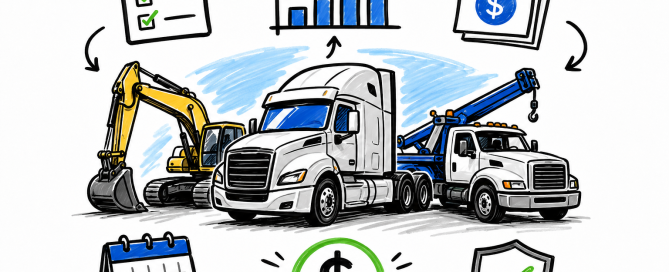
An established business equipment finance guide for evaluating terms, preserving working capital, and putting revenue-producing assets into service now.
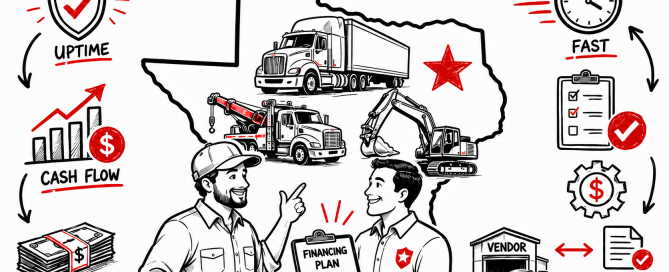
Choosing a commercial financing partner Texas businesses can rely on means weighing equipment knowledge, lender access, structure, and responsive execution.