

Calculating ROI on a Financed Tow Truck: What You Need to Know
Determining the return on investment (ROI) for a financed tow truck is an important part of making informed financial decisions for your business. It’s not just about the purchase price or monthly payments—it’s about understanding how this investment can drive profitability over time.
Tow trucks are not just a large financial commitment; they are a core asset that supports your business operations and drives revenue. To make the most of this investment, it’s important to analyze its impact on revenue generation and cost management. With careful planning, a financed tow truck can enhance your service capacity, expand your market reach, and increase your bottom line.
This blog will guide you through the process of calculating ROI for a financed tow truck. It will also examine the factors that can affect profitability, such as operating costs, maintenance expenses, and market demand, to help you make informed decisions that align with your business strategy. Whether you’re expanding your fleet or financing your first tow truck, understanding ROI ensures you’re setting your business up for long-term success.
Understanding ROI and Its Relevance in Tow Truck Financing
ROI, or return on investment, is more than just a financial formula—it’s a way to assess how effectively your investment generates profit. For businesses that rely on tow trucks to generate revenue, calculating ROI ensures each equipment financing investment contributes to financial stability and long-term growth.
ROI is a financial metric used to evaluate the profitability of an investment. It answers the question, “How much return am I getting for the money I’ve spent?” The formula for calculating ROI is straightforward: divide the net profit generated by the tow truck by the total investment cost, then multiply the result by 100 to express it as a percentage. This percentage reflects the financial performance of the financed tow truck and its ability to generate income above its cost.
For example, imagine you finance a tow truck with a total investment cost of $75,000, which includes the purchase price, interest on the loan, and any associated fees. Over the course of a year, the truck generates $120,000 in revenue. After subtracting operating expenses, such as fuel, maintenance, insurance, and driver wages, the net profit from this truck comes to $30,000.
Using the ROI formula, the calculation would look like this:
ROI = (Net Profit / Investment Cost) x 100
ROI = ($30,000 / $75,000) x 100
The result is an ROI of 40%. This means the financed tow truck has returned 40% of its cost in profit over the year. A 40% ROI suggests that the tow truck is a profitable asset, but it also gives you a benchmark to evaluate whether the investment aligns with your business goals or if adjustments are needed, such as reducing expenses or increasing revenue opportunities.
Why ROI Matters
For tow truck businesses, ROI plays a central role in maintaining financial health. It provides a clear picture of how an investment impacts profitability, helping you determine whether the financed truck is meeting your revenue expectations. Additionally, understanding ROI supports better decision-making when it comes to fleet expansion or upgrading equipment. It enables you to prioritize investments that deliver the greatest financial benefit while minimizing risk.
ROI also helps compare tow truck financing options to determine which offers the best long-term value for your business. With various financing structures available, understanding how each option influences profitability ensures that your choice aligns with both short-term budgets and long-term growth goals.
Initial Costs of Financing a Tow Truck
Financing a tow truck involves a range of initial and ongoing expenses that significantly influence the overall return on investment. The purchase price of a tow truck, whether it’s a new or a used tow vehicle, is the most obvious starting point, but it’s far from the only consideration.
The financing solution you choose, including terms like required down payment, taxes, and dealer or lender fees, directly impacts your upfront costs. A typical down payment might range from 10% to 20% of the truck’s purchase price, depending on the financing arrangement. Additionally, taxes and fees, which can vary based on location and specific transaction details, must be factored into the initial expense.
Interest rates also have a substantial impact on the long-term cost of financing these kinds of equipment purchases. Even small differences in interest rates can add up significantly over the life of the loan. For instance, a $75,000 truck financed at a 6% annual interest rate over five years will result in much higher total payments than the same loan at 4%. This is where carefully comparing loan offers and calculating the total cost of interest can lead to making a sound financial decision.
Beyond the financing terms, there are additional costs to prepare for when operating a tow truck. Insurance premiums are a major consideration, as tow trucks require specialized coverage due to their size, use, and potential risks on the road. Licensing and registration fees, while often overlooked initially, can vary significantly based on the state or region. Maintenance and repair costs are another ongoing expense, with regular servicing needed to keep the truck running efficiently and reduce downtime.
Depreciation is another factor that affects the truck’s long-term value. From the moment a tow truck is purchased, it begins to lose value over time. This depreciation impacts the resale value of the truck and should be considered when calculating ROI. A tow truck that holds its value better over time or has a longer useful lifespan can contribute more to profitability than one with a faster rate of depreciation.
Calculating Revenue Generated by the Tow Truck
You’ll need to get a clear understanding of the revenue generated by a financed tow truck to evaluate its profitability. Tow trucks and recovery equipment generate income through a range of services, such as accident recovery, roadside assistance, and vehicle transport. Common offerings include roadside assistance, such as jump-starts and tire changes, accident recovery, and vehicle transport. Each of these services varies in demand based on factors like location, market size, and the type of towing business.
Seasonal or market trends also influence revenue. For instance, accident recovery services may see higher demand during winter months in areas with frequent snow and ice, while roadside assistance may spike in summer due to overheating vehicles. Understanding how these factors affect demand can help in setting realistic revenue expectations.
Average revenue per job is another component to consider when calculating income. Pricing for towing services depends on several variables, including the distance of the tow, the type of vehicle being transported, and the urgency of the call. A short-distance tow for a standard passenger vehicle may bring in a few hundred dollars while transporting larger vehicles or handling emergency recovery situations can command significantly higher rates. Consider these pricing factors carefully and align your service offerings with the needs of their target market to better calculate the kind of income you can expect from your new tow truck.
Monthly workload estimates play an important role in determining projected revenue. Estimating the number of jobs your tow truck can handle per week or month provides a framework for calculating earnings. A tow truck operating in a busy metropolitan area may complete 20 to 30 jobs per week, while a truck in a rural setting might see fewer calls but handle longer-distance tows. Multiply the estimated number of jobs by the average revenue per job to arrive at a projected monthly income.
Operating Costs
Understanding the operating costs of a financed tow truck plays a significant role in evaluating its overall profitability. These expenses, which range from fuel to driver salaries and maintenance, directly impact the return on investment and should be carefully analyzed to ensure accurate financial projections. Each category of operating costs adds to the total expense of running the tow truck, so it’s important to account for them thoroughly.
Fuel expenses are one of the most significant operating costs for tow trucks. The average fuel consumption rate varies depending on the size of the truck, the type of engine, and the frequency of operation. Heavy-duty tow trucks typically consume more fuel compared to lighter models, and costs can fluctuate significantly based on regional fuel prices and market trends.
For example, periods of high fuel prices can strain profit margins, making it essential to factor in these fluctuations when projecting operating costs. You can also consider strategies to improve fuel efficiency, such as optimizing routes and maintaining proper tire pressure.
Driver salaries represent another major operating cost. Paying competitive wages is necessary to attract and retain skilled drivers, especially in a demanding industry like towing. Salaries should account for standard wages as well as benefits, such as health insurance and retirement contributions.
Additionally, overtime pay may be required for after-hours or emergency calls, particularly in 24/7 towing operations. Proper budgeting for these expenses ensures that labor costs are accurately reflected in financial calculations.
Routine maintenance and unexpected repairs are unavoidable parts of operating a tow truck. Regular maintenance tasks include oil changes, tire replacements, brake servicing, and inspections to ensure the truck remains safe and reliable. These recurring tasks can add up over time, but neglecting them often results in costly emergency repairs that disrupt operations.
For instance, a sudden engine failure or transmission issue can not only incur high repair bills but also lead to revenue loss due to downtime. Be sure to allocate a portion of the budget for both routine upkeep and unplanned repairs to help mitigate these risks.
Other recurring costs, such as tolls, parking fees, and miscellaneous expenses, also contribute to the overall cost of operating a tow truck. Depending on the area of operation, tolls can add up quickly, especially for trucks frequently traveling on highways or through metropolitan regions.
Parking costs may arise when staging trucks in busy areas, while miscellaneous expenses, such as purchasing additional equipment or paying for permits, can vary depending on specific business needs. These smaller costs, while often overlooked, collectively have a measurable impact on the overall financial picture.
Calculating ROI for a Financed Tow Truck
After analyzing revenue and operating costs, your next step involves calculating the actual ROI for your financed tow truck. Start the calculation by combining the projected revenue and total operating costs for a specific period, such as a year. Subtract the total operating costs from the projected revenue to determine your net profit. Then, use the ROI formula by dividing the net profit by the total investment cost and multiplying by 100 to express the result as a percentage.
For example, let’s analyze a tow truck with a total investment cost of $75,000, which includes the purchase price, financing fees, and interest. If the truck generates $120,000 in annual revenue and incurs $85,000 in operating costs, the net profit totals $35,000.
Using the ROI formula:
ROI = (Net Profit / Investment Cost) x 100
ROI = ($35,000 / $75,000) x 100 = 46.67%
This calculation shows your tow truck generates a 46.67% return on its initial investment over the year. If you’re looking for a quick and easy way to calculate the potential monthly profit of adding a financed tow truck to your operation, check out our Budget Builder tool. Simply input your numbers into the calculator and you’ll see your profit potential.
It’s important to keep in mind that several factors directly impact ROI. A higher fleet utilization rate, for instance, increases revenue and improves profitability. Keeping tow trucks consistently busy requires optimizing dispatching and scheduling to minimize downtime. Competitive pricing also attracts a steady stream of customers, while cost-efficient operations, such as fuel management and preventative maintenance, reduce expenses.
Strategies to Help You Maximize ROI
Efficient fleet management plays an important role in enhancing ROI. Tools like GPS tracking and dispatch software streamline operations by optimizing routing and scheduling. These technologies reduce unnecessary mileage, minimize fuel consumption, and decrease response times, which improves customer satisfaction and operational efficiency. For instance, dispatch software can assign the closest available truck to a call, saving time and resources while enabling the fleet to handle more jobs within a given period.
Controlling costs is another critical factor in improving ROI. Fuel is one of the largest operating expenses for tow trucks, so negotiating fuel discounts with suppliers or fleet card programs can lead to significant savings over time. Preventative maintenance also helps control costs by addressing potential issues before they become expensive repairs. Regular oil changes, tire rotations, and system inspections reduce the risk of unexpected breakdowns that could disrupt operations and add to expenses.
You can also boost revenue by expanding service offerings and targeting areas with higher demand. Tow truck businesses can often diversify their services by including options like long-distance vehicle transport, specialized recovery services, or partnerships with local law enforcement for accident recovery contracts. Identifying high-demand areas or underserved markets can also drive revenue growth. For example, focusing on metropolitan regions or highways with heavy traffic increases the likelihood of securing consistent, profitable jobs.
Finally, regular financial reviews ensure the business stays on track to meet its ROI goals. Monitoring cash flow and comparing actual performance against projections allows you to identify areas for improvement. From there, you can adjust pricing strategies, reallocate resources, or modify service areas to help maintain profitability.
Choosing the Right Financing Partner
At Commercial Fleet Financing, we understand that choosing the right financing partner is one of the most important decisions you’ll make when investing in a tow truck. Your financing arrangement doesn’t just affect the purchase—it has long-term implications for the financial health and profitability of your business. That’s why we’re here to provide solutions tailored specifically to the needs of towing professionals.
Working with a lender experienced in commercial fleet financing offers significant advantages. We specialize in understanding the unique challenges and opportunities in the towing industry. This means we can structure financing plans that fit your business model, address seasonal demand, and support steady cash flow. Our expertise ensures that the financing process is straightforward and efficient, so you can focus on what matters most—running your business.
When exploring financing options, there are a few things to keep in mind. Competitive interest rates can save your business a substantial amount over the life of the loan, while flexible repayment terms help you manage payments without putting unnecessary strain on your budget. Customer support is another factor that shouldn’t be overlooked. At Commercial Fleet Financing, we pride ourselves on offering clear communication and responsive service throughout your loan term to help you navigate any challenges that come your way.
We are committed to making the financing process simple and effective for towing businesses. Our team works closely with you to understand your goals and develop a plan that aligns with your operational needs. From competitive rates to flexible terms and personalized support, we provide the resources and guidance to help you make the most of your investment.
Maximize Your Tow Truck Investment
Understanding and maximizing the ROI for a financed tow truck is essential for building a profitable and sustainable business. Calculating ROI provides a clear picture of how your investment contributes to your bottom line, while strategies such as efficient fleet management, cost control, and revenue optimization ensure long-term success. Choosing the right financing partner further strengthens your financial position, enabling you to make informed decisions that align with your business goals.
At Commercial Fleet Financing, we are here to support you every step of the way. Whether you’re expanding your fleet or financing your first tow truck, our team is ready to help you navigate the process with tailored solutions that fit your unique needs. Contact us today to explore financing options and start maximizing the profitability of your tow truck investment.
Blog Articles
How to Preserve Working Capital for Fleet Growth
Learn how to preserve working capital when replacing or adding commercial equipment, with practical financing and purchasing guidance for established fleets
How to Finance Fleet Trailers Without Straining Cash
Learn how to finance fleet trailers using structures, documentation, and asset factors that can protect cash flow and keep freight moving in service.
CFF-Industries Series
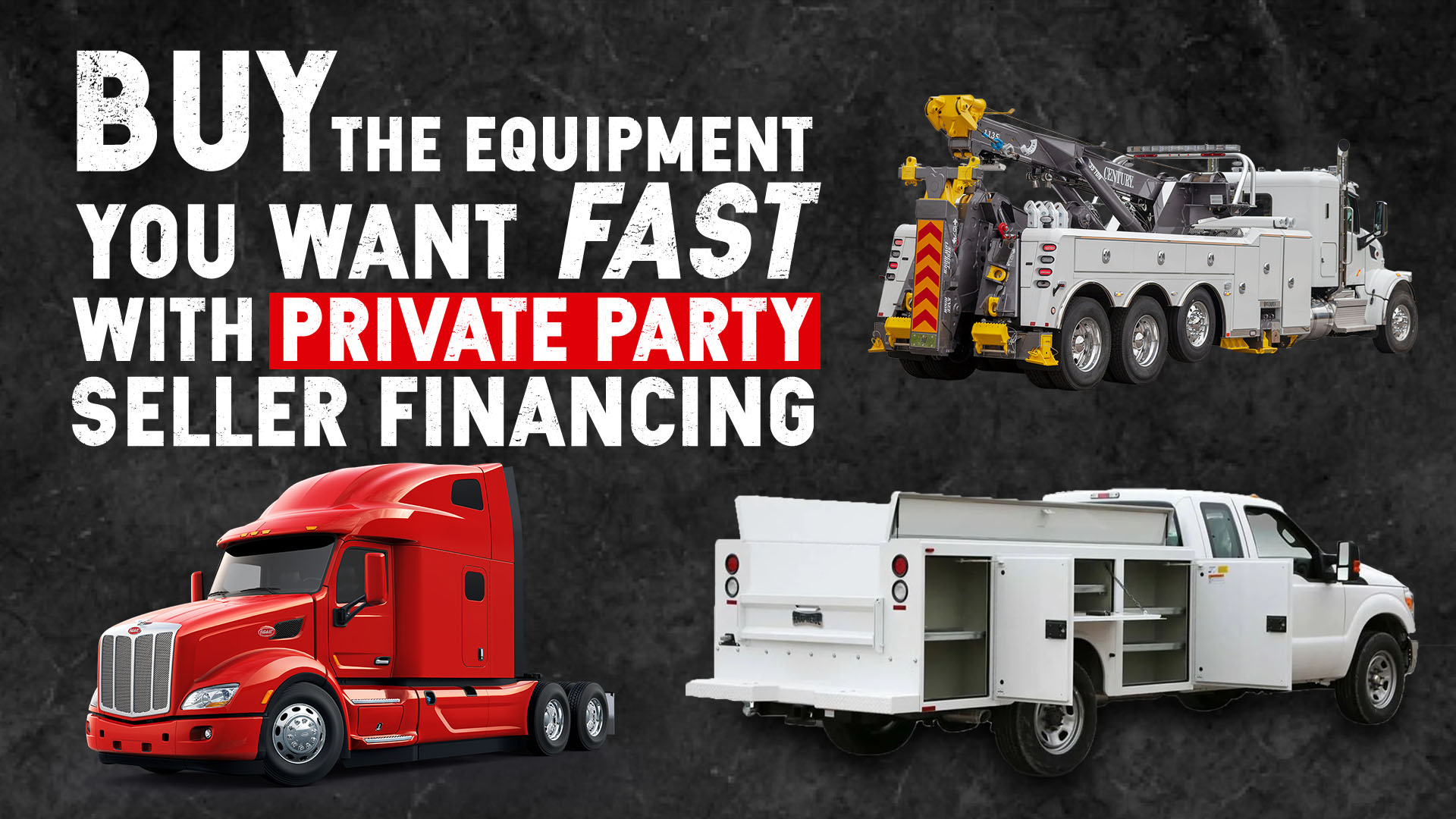
CFF-TV Ep. 7 | CFF-U: Private Party Financing – Online Marketplace, Facebook Marketplace, Craigslist, Friends, & Dealers
Welcome to CFF-U: Industries | Private Party Financing! [...]

CFF-TV Ep. 6 | CFF-U: Why Dump Trucks Are Booming! With Jeff Williams
Welcome to CFF-U! Matt Manero: Something is [...]
Hot Topics

Interest Rates Are Going Up! | CFF-TV Ep. 8
FILL OUT A CREDIT APP [...]

CFF-TV Ep. 5 | Hot Topics: Negativity In The Trucking Industry
Welcome to CFF-TV and This Week's Hot Topic! [...]