Equipment Lease Versus Loan: Which Fits?
Compare an equipment lease versus loan for commercial trucks and machinery. See how ownership, cash flow, terms, and asset life shape the right fit today.

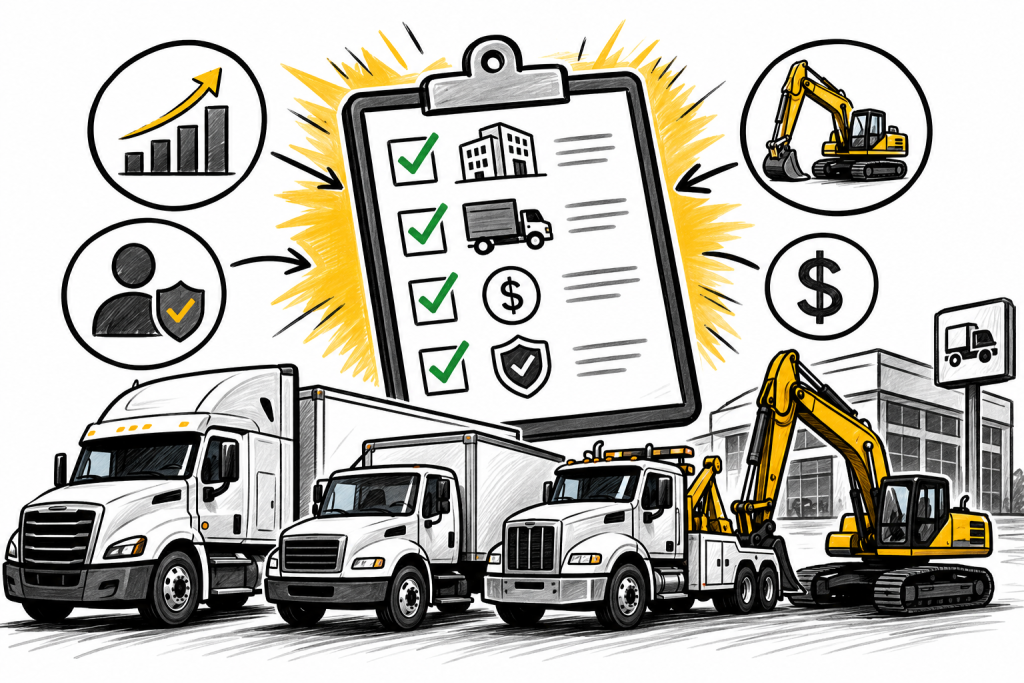
A truck sitting at a dealer lot does not create revenue. Neither does an excavator waiting on a credit decision while a project schedule tightens. For established businesses, a commercial equipment approval guide is less about filling out an application and more about presenting a financeable transaction: the right asset, a documented operating company, a workable payment structure, and a file that answers lender questions before they slow the deal down.
Commercial equipment approvals are not based on one score or one document. A lender evaluates the borrower, the equipment, the seller, and the proposed transaction together. A company with strong credit may still face added review on an older truck with high mileage, a specialty asset with a narrow resale market, or a purchase price that does not match the equipment’s market value. Conversely, a well-documented fleet replacement can be more straightforward when the business history, asset use, and cash flow tell a consistent story.
Most commercial equipment finance decisions start with a basic question: can this business reasonably support the requested obligation, and does the equipment provide adequate collateral for the structure requested? The answer comes from several connected factors.
Business history matters because it shows whether operations are established and repeatable. Time in business, revenue trends, existing fleet or equipment, management experience, and payment history can all affect the available programs. An established towing company replacing a regularly used rollback is evaluated differently than a business making its first commercial-equipment purchase.
Credit strength also matters, but it is not the whole file. Strong business and personal credit can support more favorable structures in some cases, including longer terms or lower down payments. However, lenders may still look closely at debt load, recent inquiries, late payments, tax liens, public records, and how the new payment fits within the company’s cash flow.
The asset itself has underwriting value. New equipment from an established manufacturer and dealer is usually easier to value than a 12-year-old specialized machine sold privately. With used equipment, lenders often focus on age, mileage, hours, condition, maintenance history, and expected useful life through the requested term. A late-model semi-truck with documented maintenance may fit many programs. A high-mileage unit with uncertain service records may require a larger down payment, a shorter term, or a different funding source.
The fastest way to create friction is to submit a financing request before the buyer and seller have defined what is being purchased. A quote should identify the year, make, model, VIN or serial number when available, purchase price, and any additions being financed. For vehicles, mileage is essential. For construction and industrial equipment, operating hours and attachments can be just as important.
Ask whether the quoted price reflects the real transaction. If the deal includes a body build, liftgate, trailer, upfit, warranty, delivery, or installation, those items should be identified clearly. Some costs may be financeable depending on the lender and equipment type, while others may need to be handled separately. A vague quote can lead to rework after an initial approval.
Seller type also affects the process. A franchised dealer or established commercial-equipment vendor typically has a familiar documentation flow. A private-party purchase can be financeable, but lenders may require ownership verification, lien information, photos, inspection details, or additional seller documents. The business should avoid releasing funds directly to a seller until the financing requirements and closing process are clear.
New equipment can offer predictable specifications, warranty coverage, and a longer remaining useful life. The tradeoff is a higher purchase price and, in some markets, longer delivery times. Used equipment can lower acquisition cost and put an asset in service sooner, but condition and valuation become more important.
Specialized assets require their own analysis. A wrecker, ambulance, crane body, refrigerated trailer, or custom vocational truck may be highly productive for the right operator but less liquid as collateral than a standard tractor or forklift. The lender may want more detail on intended use, current contracts, fleet history, or the buyer’s experience operating that equipment.
A complete file does not mean sending every company document available. It means providing the documents that allow a lender to verify the business and evaluate the requested structure without repeated follow-up.
For many established businesses, the starting package includes a completed credit application, equipment quote or purchase order, business formation details, and identification for the guarantor when required. Depending on the request, the lender may also ask for recent bank statements, business financial statements, tax returns, debt schedules, proof of insurance, fleet lists, or supporting documentation for the asset and seller.
The larger, older, or more complex the transaction, the more likely financial documentation will matter. A company requesting financing for several late-model trucks, a large excavator, or a fleet expansion should expect a closer review than a modest replacement purchase. That is not necessarily a negative signal. It is often the normal level of diligence for the dollar amount, collateral, and term.
Consistency is critical. Revenue on a financial statement should generally align with deposits and operating activity. The legal business name should match the purchase order and insurance records. Existing debt should be disclosed rather than discovered later. When something needs explanation – such as a one-time revenue decline, recent equipment sale, or temporary bank balance reduction – a concise business explanation is more useful than leaving the underwriter to guess.
Approval is only useful if the payment structure works after the equipment enters service. A lower monthly payment may preserve operating cash, but a longer term can increase total financing cost and may not fit an older asset. A larger down payment can improve the loan-to-value position and sometimes broaden program options, but it also uses cash that may be needed for payroll, fuel, repairs, insurance, or the next job.
Consider the equipment’s revenue cycle. A dump truck or box truck that will operate immediately may support a different payment approach than a seasonal landscaping asset or a construction machine mobilized for a project that starts months later. If the equipment requires an upfit before it can work, account for that period in the cash-flow plan.
For example, a regional carrier replacing two aging tractors may prioritize reliable uptime and preserving working capital. A structure with a manageable upfront contribution could make sense if the company has strong operating history and the assets meet lender guidelines. A contractor purchasing an older excavator for a specific project may be better served by a shorter term that reflects the machine’s age and projected workload. There is no universal best structure.
Many delays are preventable. The most common issue is incomplete or changing equipment information. A buyer may initially submit a quote for one truck, then switch to another with different mileage, price, or specifications after approval. That change can require the lender to re-evaluate collateral.
Other common issues include an unexplained gap between the equipment price and market value, unclear seller ownership, missing insurance details, undisclosed existing debt, and financial documents that are outdated or incomplete. A business that recently changed ownership, legal entity, address, or bank account should be ready to explain the change and provide supporting records.
Timing can also become a problem when a dealer expects immediate payment but the buyer has not completed insurance, title, UCC, or closing requirements. An approval is a major step, not the final funding event. Funding timing depends on the completed documentation, seller verification, insurance, lender requirements, and the specific deal structure.
A specialized equipment finance broker can help organize the request before it reaches the right funding source. That includes matching the transaction to lenders that may fit the asset type, age, business profile, and requested structure; identifying documentation early; and coordinating with the vendor as conditions are cleared.
Commercial Fleet Financing, Inc. works with established businesses across the United States on revenue-producing vehicles and equipment, from tractors and trailers to tow trucks, construction equipment, forklifts, and specialized vocational assets. The practical value is not simply submitting an application. It is helping frame the transaction in a way that gives lenders a clear view of the business, the collateral, and the operational purpose behind the purchase.
Businesses should also be realistic about conditional outcomes. Competitive terms, low or zero down payment options, and fast funding may be available for some transactions, but they depend on credit profile, time in business, fleet history, equipment age and condition, documentation, lender requirements, and deal structure. A well-prepared file gives the business more options than a rushed request with unanswered questions.
Confirm the equipment specifications and seller documents, review how the payment fits operating cash flow, and gather current business records before inventory is committed or a project deadline arrives. If the purchase is replacing an aging asset, quantify the cost of downtime and maintenance against the expected payment and productivity gain.
The best equipment-finance request is one that makes commercial sense before it reaches underwriting. When the asset has a defined job, the business has the records to support its operating history, and the transaction is structured around cash flow, approval becomes part of a deliberate fleet decision rather than a last-minute obstacle.
Compare an equipment lease versus loan for commercial trucks and machinery. See how ownership, cash flow, terms, and asset life shape the right fit today.
Used box truck financing requirements vary by truck age, mileage, seller, credit, and operating history. See what lenders review before you buy for work.
Equipment finance industry trends are reshaping fleet planning, lender review, and capital decisions for established U.S. operators across markets today.
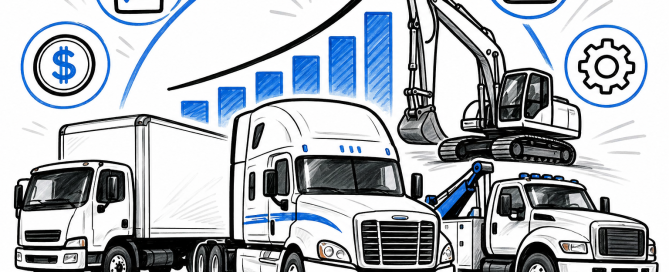
This commercial fleet financing guide explains how established businesses structure vehicle and equipment purchases around cash flow, uptime, and growth.
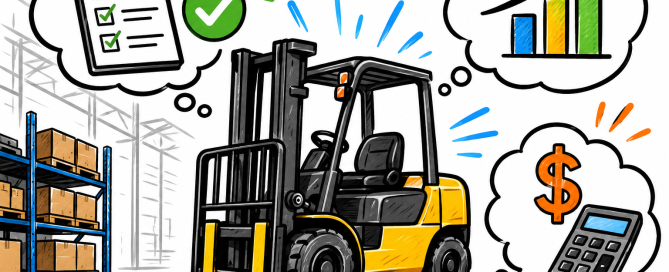
Learn how to finance forklifts with financing structures, credit factors, and buying steps that protect cash flow, support uptime, and growth plans.