Commercial Vehicle Lifecycle Guide for Fleet Owners
This commercial vehicle lifecycle guide helps fleet leaders plan purchases, maintenance, replacement, and financing around uptime, cash flow, and asset value.


Construction equipment financing can be a powerful tool for preserving working capital, managing cash flow, and fueling growth. When structured correctly, it gives contractors the flexibility to take on larger projects, upgrade to more efficient machines, and maintain financial stability, all without tying up critical reserves.
These financial solutions enable businesses to invest in new and used equipment, including specialized machinery, without depleting their cash reserves. Financing options, such as loans and leases, are crucial, as they allow companies to manage cash flow effectively and choose solutions tailored to their operational and financial needs.
However, the benefits of financing are only realized when the process is approached strategically. Common missteps, like overestimating equipment needs, accepting unfavorable terms, or failing to account for total cost of ownership, can result in long-term financial strain, underutilized assets, or even legal complications tied to poorly understood contract terms.
In this article, we’ll break down the most frequent mistakes contractors make when financing construction equipment. More importantly, you’ll get practical guidance on how to sidestep these issues and secure financing that aligns with your business goals.
It’s easy to fixate on the monthly payment when evaluating a financing offer, but that narrow view can be costly. A low monthly payment might look attractive at first glance, but it doesn’t always reflect the full financial picture.
Though achieving affordable monthly payments is important, it should be balanced with the total cost of ownership. This includes not just the monthly payment, but the overall interest paid over the term, any fees baked into the contract, maintenance and repair costs, insurance requirements, and the residual value of the equipment at the end of the agreement.
In many cases, lower monthly payments are achieved by extending the loan term, which drives up the total interest paid. Some leases may also include end-of-term fees or undervalue the equipment’s buyout price, cutting into your return on investment.
Without a full cost analysis, you risk agreeing to terms that undermine profitability. Before signing, take a step back and look at the complete financial impact, not just the number that fits neatly into this month’s budget.
Not all financing structures serve the same purpose. Opting for the wrong one can limit flexibility, increase costs, or leave you stuck with equipment you no longer need.
Each option comes with trade-offs. A heavy equipment loan may make sense if you plan to keep the equipment long term and want full ownership. It can be particularly beneficial for long-term ownership, offering tailored financing solutions and the option to use collateral. On the other hand, equipment leasing can be ideal for short-term projects or fast-depreciating assets, offering lower upfront costs and greater flexibility.
The key is to align your financing structure with both your project timelines and the equipment’s expected lifecycle. Short-term jobs don’t always justify long-term commitments, and machines used only seasonally may not warrant a full purchase. Conversely, for core fleet assets expected to generate revenue for years, ownership may be the more cost-effective route.
Mistake #3: Overlooking Fine Print and Contract Terms
Failing to review the fine print in your heavy equipment loan or lease agreement can lead to unexpected costs and operational headaches down the road. Understanding the loan or lease term is crucial, as it defines the duration and conditions of your lease, impacting your financial planning and equipment usage. Seemingly minor details, like early termination fees, usage limits, or insurance requirements, can significantly impact your bottom line if not properly accounted for.
For example, some lease agreements impose strict mileage or usage caps, with penalties for exceeding them. Others include early termination fees that can make it costly to adjust your plans if a project changes or ends ahead of schedule. There may also be mandatory insurance requirements that add to your monthly overhead.
Perhaps most overlooked are end-of-term conditions, such as buyout clauses. Some lease agreements give you the option to purchase the equipment at fair market value, while others set a fixed residual amount. If you’re not clear on how those clauses work, you may face an unexpected payout—or walk away without the asset you assumed you were acquiring.
Before finalizing any financing deal, scrutinize the full contract. Know what you’re committing to, what’s required of you during the term, and what happens when the agreement ends. A clear understanding now prevents costly surprises later.
One of the biggest missteps contractors make with construction equipment financing is failing to assess how the payments will affect cash flow over time. Understanding the financial terms associated with the amounts financed, such as interest rates, duration, and collateral requirements, is important. Even if the monthly amount seems manageable today, it can create strain if it doesn’t align with your revenue cycles.
Many construction businesses operate with seasonal income or project-based billing, which means cash flow can fluctuate significantly throughout the year. Locking into a rigid payment schedule without forecasting how those payments fit into your income stream can lead to financial stress, especially during slower months or between contracts.
Overextending your budget to acquire equipment can also divert funds from other business priorities like payroll, materials, or unexpected repairs. Instead of driving growth, financing that isn’t tailored to your financial rhythms can end up constraining operations.
Smart financing decisions account for these variables. Look for flexible terms, seasonal payment structures, or deferred options that align with how your business earns. Proper planning helps ensure that your equipment investment supports, not disrupts, your financial stability.
Choosing a lender who doesn’t understand the construction industry can lead to delays, mismatched terms, or financing that simply doesn’t work for how your business operates. Many general lenders lack the insight to structure deals that reflect the realities of project timelines, equipment usage, and jobsite demands.
A lender experienced in construction equipment financing brings more than just capital to the table. They offer industry-specific solutions tailored to your needs, whether that means flexible terms, fast approvals, or creative structures that support project-based work. They understand how to assess asset value, factor in resale potential, and accommodate seasonal cash flow.
Additionally, the service provided by specialized lenders helps manage expenses related to equipment parts, rentals, and technology, freeing up cash for various operational needs. Just as important, a qualified lender provides clear, upfront terms and avoids unnecessary red tape. Transparency and speed matter, especially when equipment needs are urgent.
Working with the right lender can make the difference between a smooth acquisition and a costly delay. Look for a financing partner that understands your industry, communicates clearly, and moves at the pace your projects demand.
At Commercial Fleet Financing (CFF), we understand that construction equipment financing is more than a transaction. It’s a strategic decision that affects your operations, cash flow, and long-term growth. That’s why we offer dedicated support designed specifically for contractors and construction businesses.
Our team works with you to structure financing that aligns with your goals, not just the lowest payment. We provide transparent terms, fast funding, and flexible options tailored to your project timelines, cash flow cycles, and equipment lifecycle. Whether you’re looking to lease, purchase, or finance heavy equipment through rent-to-own options, we help you evaluate the pros and cons so you can make informed decisions.
Beyond the initial deal, we also help you plan for future equipment needs, compare financing structures, and avoid the common missteps that lead to overextended budgets or underutilized assets. With industry-specific guidance and a commitment to clarity, CFF gives you the tools to finance smarter and get the job done.
Successful construction equipment financing isn’t just about getting approved—it’s about making decisions that support your business today and over the long haul. Avoiding common missteps like focusing solely on monthly payments, choosing the wrong structure, or overlooking contract terms can protect your cash flow and improve asset performance. By taking a strategic approach to financing, one that aligns with your operations, timelines, and long-term goals, you position your company for greater stability and growth.
Ready to finance now? Connect with Commercial Fleet Financing for construction equipment solutions built around your business. Our team will help you compare options, avoid costly missteps, and secure funding that supports your long-term success.
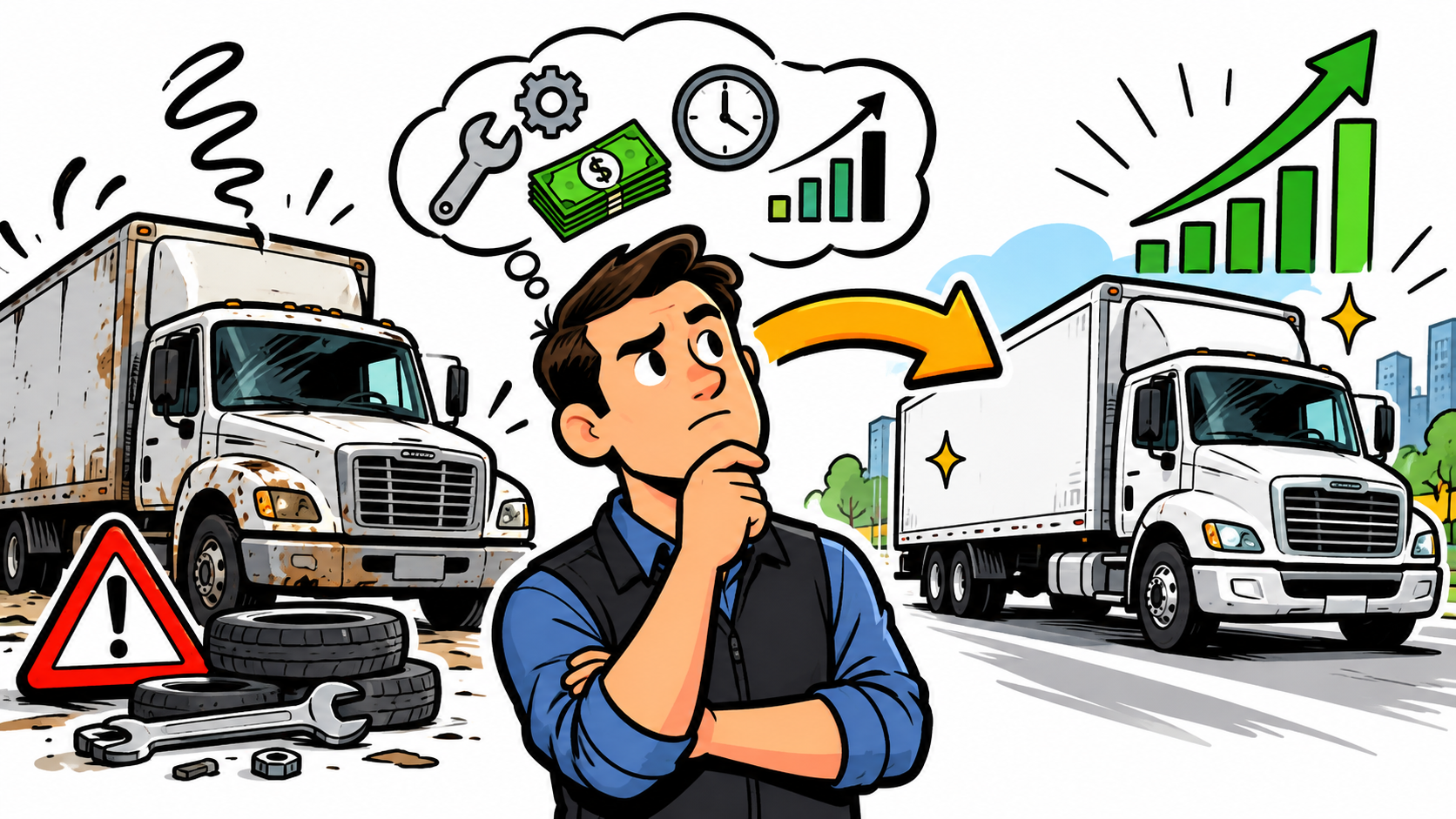
This commercial vehicle lifecycle guide helps fleet leaders plan purchases, maintenance, replacement, and financing around uptime, cash flow, and asset value.
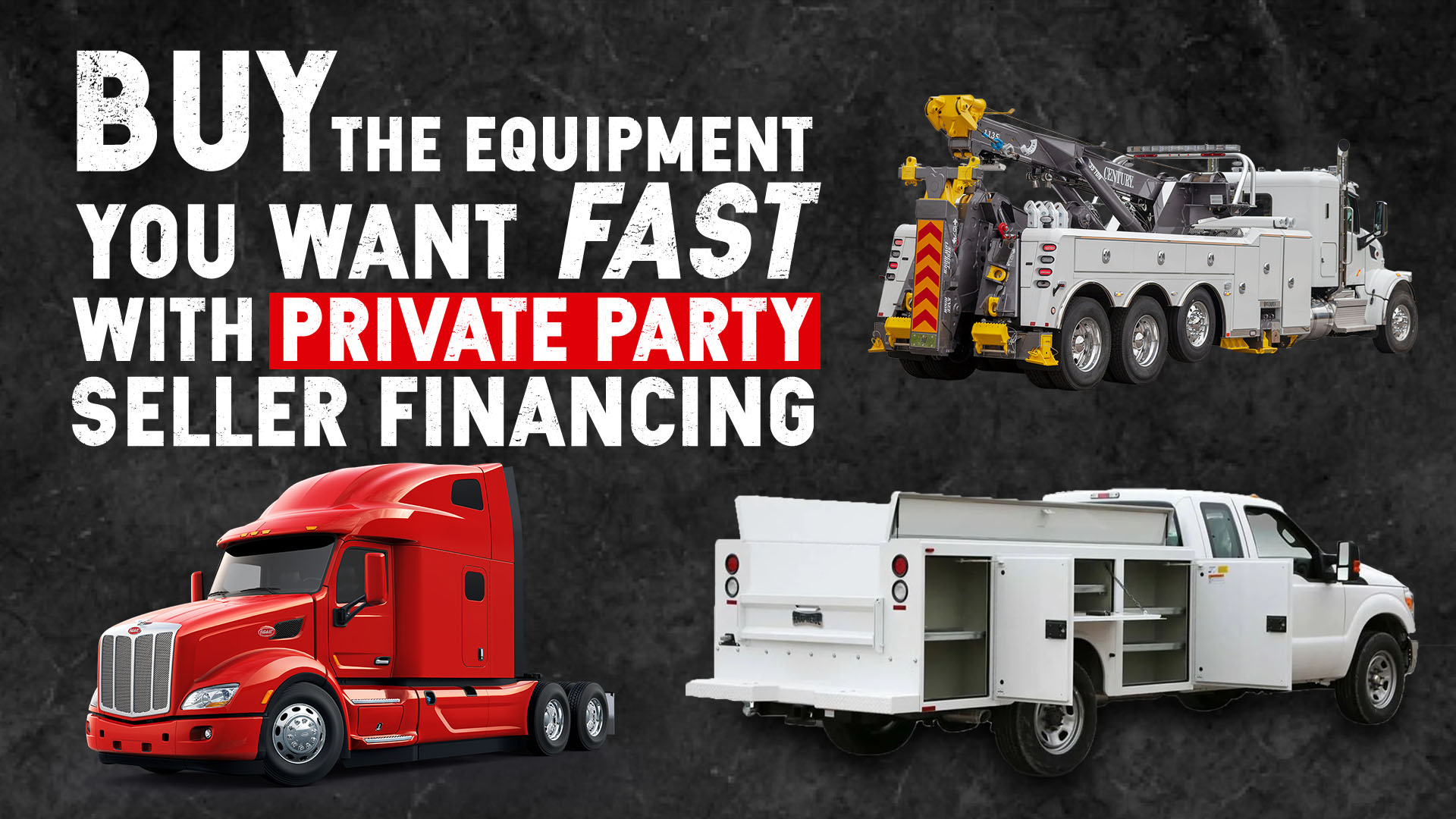
Welcome to CFF-U: Industries | Private Party Financing! [...]

Welcome to CFF-U! Matt Manero: Something is [...]

FILL OUT A CREDIT APP [...]

Welcome to CFF-TV and This Week's Hot Topic! [...]