Medical Transport Financing Review: What to Check
This medical transport financing review explains how established operators can compare terms, protect cash flow, and put the right vehicle in service.


Tow trucks play an important role in industries like towing, roadside assistance, vehicle recovery, and more. For towing companies and independent operators, having reliable equipment is critical to daily business operations. However, the cost of purchasing a tow truck can be a significant hurdle, especially for small businesses or startups.
Financing offers a practical solution, making it possible to acquire new or used tow trucks without a large upfront investment. Factors like the type and condition of the truck, interest rates, and credit scores all influence the cost of financing. Understanding these elements can help business owners and fleet managers make smart decisions that fit their budgets and operational needs.
In this article, we’ll explore the costs associated with financing a tow truck and how to evaluate whether financing or leasing is the right choice for your towing business. Whether you’re upgrading your fleet or purchasing your first truck, this guide will provide the insights you need to move forward confidently.
Several factors influence how much it costs to finance with a tow truck loan or lease. These include details about the truck itself, your financial profile, and the specific terms of the financing agreement. Understanding each of these elements can help you estimate costs and select a financing plan that fits your business’s needs.
The type of tow truck you need—whether it’s a flatbed, wheel-lift, or integrated model—significantly impacts financing costs. Each type has a unique price range based on its design and purpose, with flatbeds often being more expensive due to their versatility and load capacity. The truck’s condition also plays a role in pricing. New trucks typically cost more but may offer better warranties and reliability, while used trucks are more affordable upfront but could require higher maintenance costs, influencing your financing requirements.
Tow truck specifications, such as engine power, towing capacity, and additional equipment, can also impact costs. Trucks with advanced features or higher performance capabilities tend to be more expensive, which could require a larger loan or higher monthly payments. Customizations like added safety features, upgraded hydraulics, or extended cab space can also increase costs. It’s worth weighing the benefits of higher specs against the added expense.
Your credit score—whether personal or business—often plays a central role in determining the terms of your financing agreement. Borrowers with higher credit scores are typically offered lower interest rates, which can significantly reduce the overall cost of financing. For those with lower scores, rates may be higher, resulting in increased monthly payments. It’s important to understand your credit profile before applying for financing so you can find a lender and financing option that fits your situation.
The size of the tow truck loan and the amount you put down upfront directly affect your monthly payments and total financing cost. A larger down payment reduces the loan amount and may qualify you for lower interest rates, leading to smaller monthly payments. Conversely, financing the full cost of the truck without a substantial down payment could result in higher overall expenses. Evaluating what you can afford to pay upfront is an important step in the process.
The length of your loan term also influences financing costs. Shorter terms typically come with higher monthly payments but result in less interest paid over the life of the loan. Longer terms lower the monthly payments but increase the total cost due to more interest accumulating over time. Choosing the right loan term involves balancing affordability with minimizing overall costs.
Interest rates are another major factor in determining financing costs. Rates can vary based on economic conditions, the lender you choose, and your creditworthiness. Lower interest rates reduce both monthly payments and the total cost of financing, while higher rates have the opposite effect. Comparing rates from different lenders can help you secure a competitive deal that saves money in the long run.
Tow truck loans involve multiple costs that extend beyond the price of the vehicle itself. Here’s an overview of the typical expenses you can expect and how they can impact your payments, so you can make a smarter financing decision.
The down payment represents the upfront portion of the truck’s cost that you pay out of pocket at the time of purchase. Typically ranging from 10% to 20% of the total price, this payment reduces the amount you’ll need to finance. For example, if a tow truck costs $100,000, the down payment would typically fall between $10,000 and $20,000.
A larger down payment directly lowers the principal loan amount, which can lead to smaller monthly payments and less interest paid over the life of the loan. For businesses with cash reserves, putting more money down can also demonstrate financial strength to lenders and potentially improve loan terms.
Interest rates are the cost of borrowing and represent a percentage charged on the remaining loan amount. Unlike the down payment, which reduces the principal, interest accrues over time based on the loan balance and term length. Borrowers with higher credit scores often qualify for lower interest rates, making financing more affordable in the long run.
On the other hand, lower credit scores may result in higher rates, increasing total costs. Understanding how interest is calculated and its effect on monthly payments is key to managing your overall financing expenses.
Your monthly payments are determined by the loan amount, interest rate, and repayment term. For example, a tow truck financed with a smaller loan and lower interest rate will have more manageable payments than one financed with minimal down payment or higher rates.
Longer loan terms can reduce monthly payments but increase total costs due to extended interest accumulation. Knowing what to expect in monthly payments helps ensure they fit comfortably within your budget.
When comparing tow truck financing options, it’s important to evaluate the total costs over time, including the down payment, interest rates, and monthly payments. The total cost of commercial truck financing combines all payments made over the life of the loan, including both principal and interest. This calculation highlights the long-term financial impact of the financing terms you choose.
For example, while a longer-term loan may offer lower monthly payments, it often results in higher total costs due to additional interest. Evaluating the total cost of financing helps you plan for the full financial commitment and understand how loan structure affects long-term expenses.
Leasing a tow truck is an alternative to financing that offers flexibility and lower upfront costs. Unlike financing, where you own the truck once payments are complete, leasing allows you to use the vehicle for a set period without committing to ownership. This can result in lower monthly payments, making leasing an attractive option for businesses looking to preserve cash flow or upgrade equipment frequently.
The two main types of leases are:
Leasing typically offers lower monthly payments compared to financing, making it easier to manage short-term costs. However, financing allows you to build equity and eventually own the truck, which can save money in the long run if the vehicle is used for many years. Leasing is often more cost-effective for businesses with short-term needs or those that regularly replace equipment, while financing is better suited for long-term ownership.
Financing or leasing a tow truck is a significant investment, but there are ways to reduce the overall cost and make payments more manageable. If you take proactive steps before applying, you can improve your financial position, negotiate better terms, and lower your total expenses. Here are some strategies to consider when planning your financing or leasing.
A higher credit score often leads to better financing terms and lower interest rates. To enhance your creditworthiness, start by reviewing your credit report for errors and addressing any discrepancies. Pay down existing debts to reduce your credit utilization, and make sure to pay bills on time to build a positive payment history. Even small improvements in your credit score can have a noticeable impact on the cost of financing.
Choosing the right loan term or lease structure can help balance your monthly payments with total costs. Shorter terms generally come with higher monthly payments but lower overall interest costs, while longer terms offer smaller monthly payments at the expense of increased total costs.
Evaluate your cash flow and business needs to determine which structure works best for your situation. Flexible lease options may also allow you to tailor terms to match seasonal revenue fluctuations.
Putting down more money upfront can significantly reduce your financing or leasing costs. A larger down payment lowers the total loan amount, which can lead to smaller monthly payments and potentially better interest rates. For businesses with cash reserves, this strategy can result in substantial long-term savings while demonstrating financial stability to lenders.
Financing or leasing a tow truck involves multiple factors, from the cost of the vehicle to interest rates, loan terms, and additional expenses like insurance and maintenance. Taking the time to evaluate these considerations ensures you’re making a smart financial decision that aligns with your business’s goals and cash flow needs.
At Commercial Fleet Financing, we specialize in financing and leasing tow trucks and other commercial trucks, helping businesses secure the equipment they need to succeed. Our competitive interest rates, flexible terms, and tailored financing plans are designed to fit the unique needs of businesses in the tow truck industry, whether you’re purchasing your first truck or expanding your fleet. With decades of industry experience, we provide the guidance and support you need to choose a solution that works for you.
Are you ready to take on your next tow truck? Contact us today for a quote or consultation on a new tow truck or something with a few more miles. Our team is here to help you find the best equipment financing or leasing option to grow your business and keep you on the road to success.
This medical transport financing review explains how established operators can compare terms, protect cash flow, and put the right vehicle in service.
Why equipment age matters in financing: learn how model year, hours, mileage, condition, and seller type can shape terms and approval options on deals.
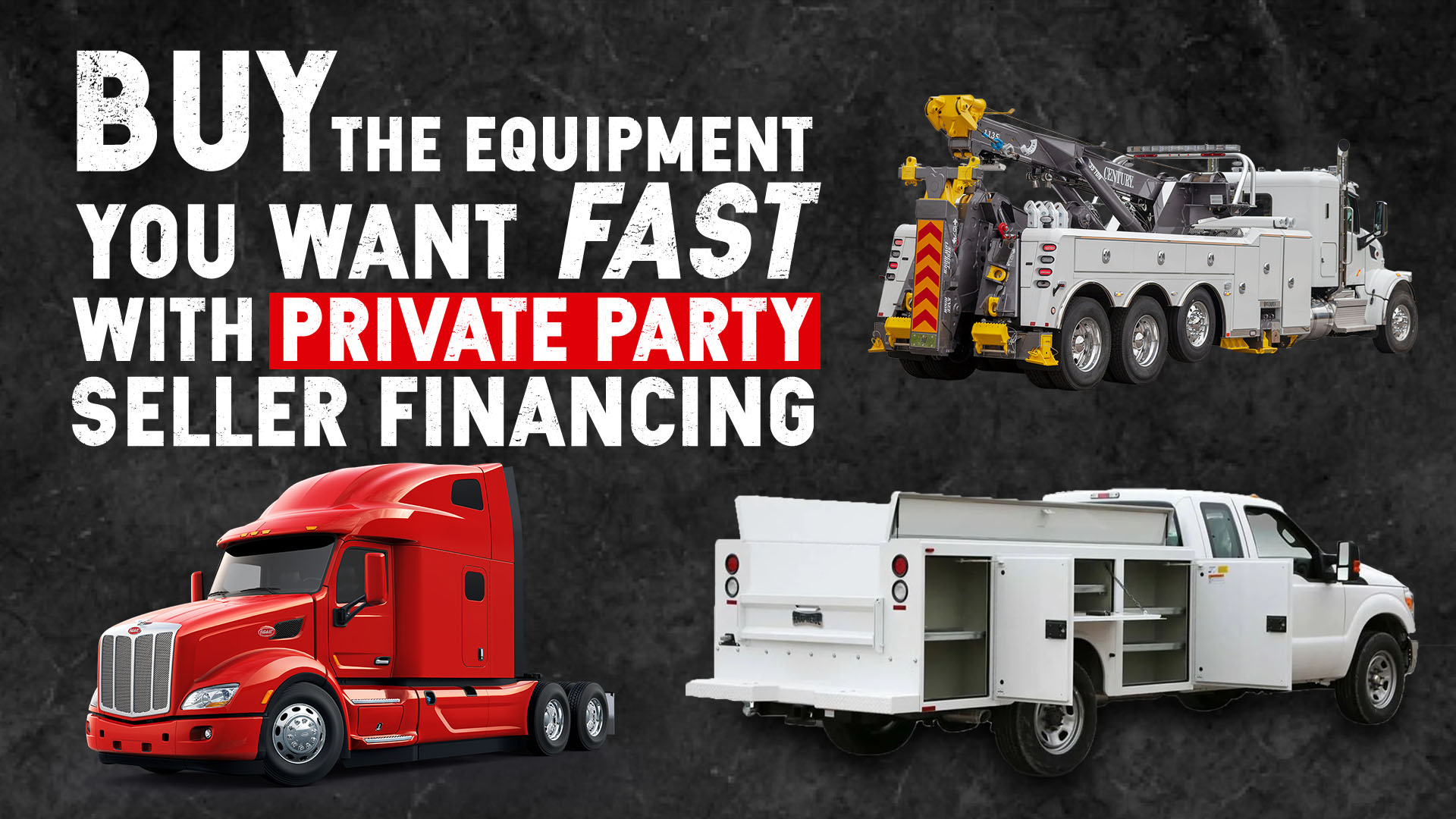
Welcome to CFF-U: Industries | Private Party Financing! [...]

Welcome to CFF-U! Matt Manero: Something is [...]

FILL OUT A CREDIT APP [...]

Welcome to CFF-TV and This Week's Hot Topic! [...]