How to Finance Box Trucks for Your Business
Learn how to finance box trucks with the right terms, down payment, and lender fit so your business can protect cash flow and grow.

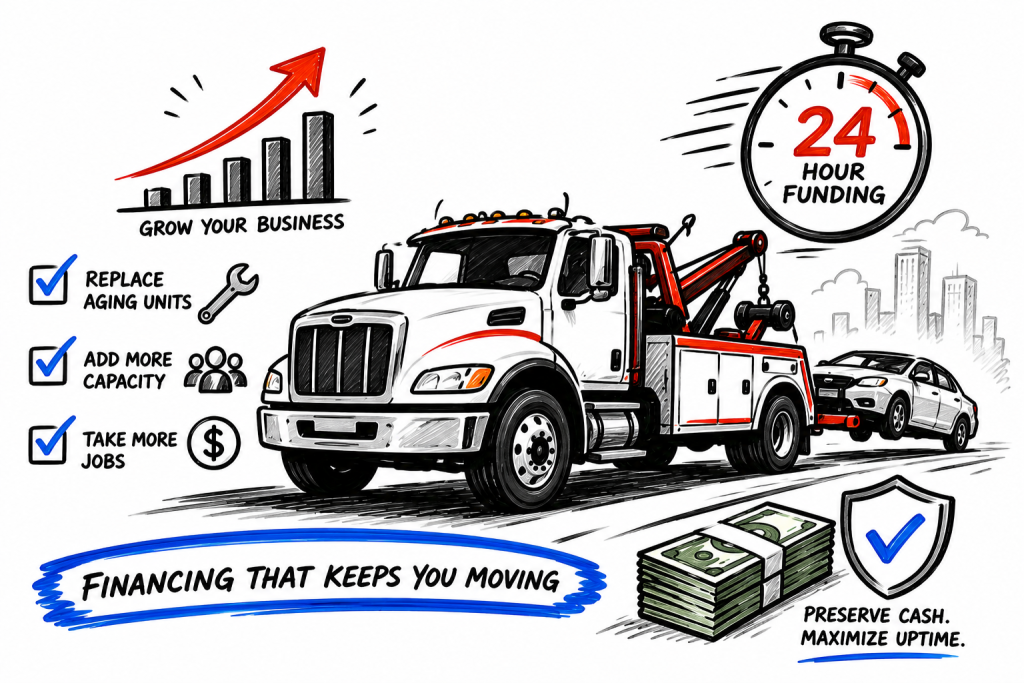
A tow truck that sits on a dealer lot does not generate revenue. A tow truck in service can add calls, reduce downtime, replace an aging unit, or help a recovery business expand into heavier work. That is why tow truck financing is usually less about the vehicle itself and more about timing, cash flow, and how quickly the unit can start producing.
For many operators, the financing decision comes down to a practical question: should you tie up working capital in a large equipment purchase, or preserve cash for payroll, fuel, insurance, repairs, and dispatch operations? In a business where uptime matters and replacement cycles are real, financing often gives owners more room to operate while still acquiring the equipment they need.
Tow truck financing can apply to several types of commercial recovery vehicles, including light-duty wreckers, medium-duty units, heavy wreckers, and rollback trucks. The structure can vary based on the equipment, the age of the unit, the business profile, and whether the truck is being purchased from a dealer, auction source, private seller, or upfitter.
The details matter here. A new rollback with strong collateral value and clean documentation may fit differently than a used heavy wrecker with specialized equipment, multiple components, and a more complex valuation. The lender review is not just about the purchase price. It often includes the truck configuration, model year, mileage or usage, expected revenue, and how the asset fits the borrower’s business.
That is one reason specialized commercial financing support matters. Recovery equipment is not a generic passenger vehicle purchase. The equipment type, business use, and seller documentation can all affect how a deal is structured and how quickly it moves.
Not every borrower is buying for the same reason. A startup towing company may need its first revenue-producing unit and may be focused on keeping upfront costs manageable. An established operator may be replacing an older truck that has become expensive to maintain or unreliable during peak demand. A larger fleet may be adding units to support police rotation work, municipal contracts, roadside assistance volume, transport work, or heavy recovery capacity.
These are different credit and cash flow stories, and they should not be forced into the same financing conversation. A business with strong time in operation and multiple trucks may qualify for more flexible structures than a newer company. A borrower with seasonal cash flow may benefit from a payment plan that better matches operating patterns. A company buying multiple units may need a coordinated approach rather than one-off transactions.
In practice, good financing structure starts with understanding what the truck is expected to do for the business. Is it replacing lost capacity? Expanding service territory? Adding a second shift? Entering a new segment like heavy-duty recovery? The answer affects the right financing path.
When evaluating tow truck financing, lenders generally focus on a mix of borrower strength, equipment quality, and transaction clarity. Time in business often matters, but it is not the only factor. Revenue trends, business credit, personal credit of the principal, existing debt, and cash flow all may come into play depending on the deal.
The truck itself also matters. Newer units with established resale value and complete documentation tend to be easier to place than highly specialized or older equipment with unclear condition history. If the purchase includes a chassis and recovery body, the paperwork should clearly show what is being financed. If the truck is used, lenders may want invoices, photos, serial details, and seller information to support valuation.
This is where deals can slow down if the file is not organized. Missing invoices, unclear titles, inconsistent seller documents, or incomplete business information can delay approval or funding. On the other hand, a clean package can move much faster, especially when the borrower, vendor, and financing partner are aligned early.
It is easy to focus on monthly payment alone, but that can be shortsighted. The better question is whether the financing structure fits the truck’s earning role in the business. A lower payment may help preserve monthly cash flow, but a longer term on older equipment may not always be the best match. A shorter term can reduce total finance cost, but it may create unnecessary strain during slower periods.
That trade-off is where experienced structuring matters. Down payment, term length, equipment age, borrower strength, and expected use all influence what makes sense. Some borrowers prioritize keeping upfront cash low so they can cover licensing, branding, repairs, or operator hiring. Others want to put more down to reduce monthly obligations. There is no single best answer for every towing business.
Possible low-down or even zero-down options may exist in some cases, but they depend on the overall credit profile, the asset, and lender requirements. Stronger borrowers and cleaner equipment deals usually have more flexibility.
New equipment can bring advantages beyond condition. It may offer stronger lender appetite, longer terms, and more predictable maintenance in the early ownership period. For a business with steady call volume, that can support smoother operations and easier budgeting.
Used units can still make strong financial sense, especially when the truck is well-maintained, properly documented, and priced right for the market. Many towing businesses grow successfully with used wreckers and rollbacks. But used equipment usually requires closer review. Age, mileage, body condition, service history, and the quality of the seller all matter.
The right choice often depends on workload, route density, service type, and available cash. If a used truck gets into service quickly and fills a profitable gap, it may be the better business decision. If reliability is critical because the truck will be dispatched constantly, new equipment may justify the higher price.
A towing business can lose real revenue waiting on equipment. If a truck is down permanently, replacement timing affects dispatch capacity. If a new contract starts soon, every delayed day can cost jobs. If a dealer has a clean unit ready to go, missing the window can mean starting over with another truck.
That is why responsive financing support matters. Fast approvals and funding timelines as quick as 24 hours may be possible in some transactions, but speed depends on the borrower profile, documentation, equipment details, and lender requirements. The practical goal is not just speed for its own sake. It is reducing friction so a revenue-producing asset can get into service without unnecessary delay.
A specialized commercial financing partner can help by identifying documentation early, setting expectations with the vendor, matching the deal to the right lending program, and coordinating the process from quote to funding. That kind of execution matters when equipment availability is tight or operational urgency is high.
One mistake is shopping only by sticker price and ignoring total operating cost. A cheaper truck that needs immediate repairs or has weak documentation can become more expensive than a better unit with stronger financing support.
Another is waiting too long to line up financing. Buyers sometimes negotiate the equipment first, then discover title issues, invoice problems, or structure limitations late in the process. Early review can save time and give the buyer more leverage when choosing between units.
A third mistake is treating all financing sources as if they understand commercial recovery equipment the same way. They do not. Tow trucks, wreckers, and rollbacks are specialized assets tied to business revenue. That requires a more equipment-aware approach than a generic financing channel typically provides.
The right financing partner should understand commercial-use vehicles, lender requirements, and the realities of running a towing operation. That includes familiarity with wreckers, rollbacks, fleet replacement cycles, used equipment concerns, vendor coordination, and the urgency around getting units delivered and titled correctly.
It also helps to work with a team that can present options clearly. Business owners do not need vague promises. They need a realistic view of what documentation is required, what structures may fit, and what could affect timing or terms. Commercial Fleet Financing works with businesses across the U.S. on revenue-producing equipment purchases and understands how to structure transactions around real operating needs.
If you are buying your first tow truck or replacing part of an existing fleet, the financing decision should support the business, not complicate it. The best structure is usually the one that keeps cash available, gets the right truck into service, and leaves the operation in a stronger position for the next call.
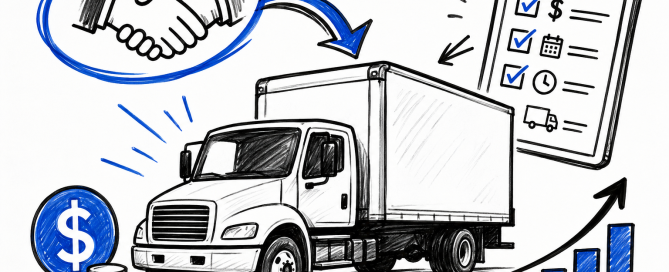
Learn how to finance box trucks with the right terms, down payment, and lender fit so your business can protect cash flow and grow.
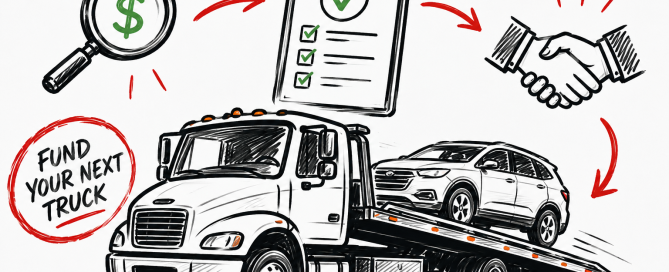
Learn how to finance a rollback truck with the right structure, documents, and lender fit to protect cash flow and put the truck to work fast.
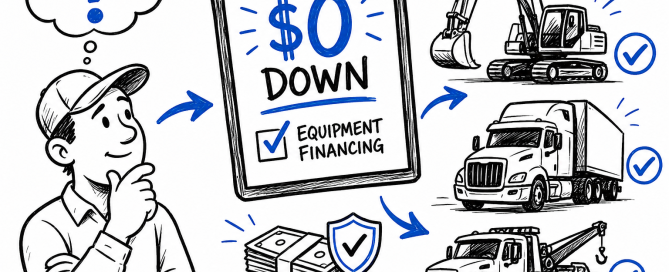
Is zero down equipment financing possible? Yes, in some cases. Learn what lenders review, which assets qualify, and how to improve your odds.
Learn how ambulance financing for businesses works, what lenders review, and how to structure terms that protect cash flow and keep units in service.
Trailer financing for business can protect cash flow, support fleet growth, and keep equipment working. Learn options, terms, and approval factors.