Commercial Bus Financing for Operators Explained
Commercial bus financing for operators helps established fleets assess terms, vehicle fit, cash flow, and documentation before buses enter revenue service.

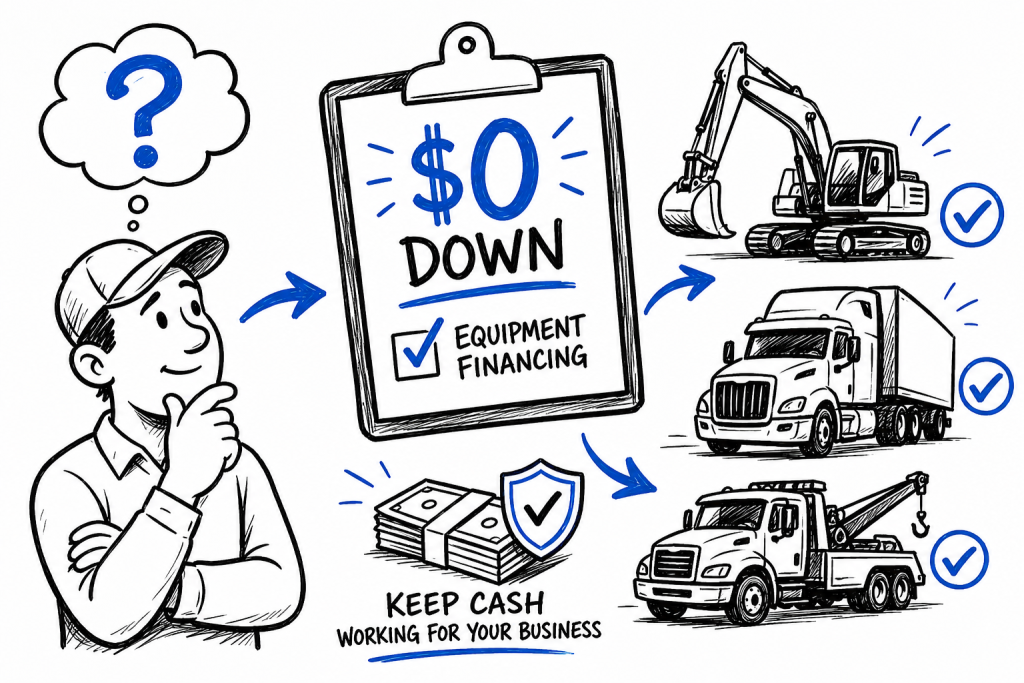
A contractor finds a clean late-model excavator at the right price. A tow company needs to replace a rollback before another week of downtime hits revenue. A fleet operator wants to add box trucks without draining working capital. In all three cases, the same question comes up fast: is zero down equipment financing possible?
The short answer is yes, sometimes. But zero down is not a universal program, and it is not available on every borrower, every asset, or every deal structure. In commercial equipment finance, down payment requirements usually depend on how the lender views risk, how strong the business profile is, and how well the equipment supports the transaction.
That is why the better question is not just whether zero down exists. It is what makes a deal eligible for it.
No. Some transactions are strong enough to support a zero down structure, while others need 5 percent, 10 percent, or more. The difference often comes down to a mix of borrower strength, equipment type, time in business, and the lender’s comfort with the resale value and earning power of the asset.
Revenue-producing equipment tends to have the best shot. Semi-trucks, trailers, tow trucks, dump trucks, excavators, forklifts, and other business-use assets that directly support operations are often easier to finance than specialty equipment with a narrower resale market. Newer equipment also tends to help because condition, remaining useful life, and marketability all matter.
From a lender’s perspective, zero down works best when the transaction already makes sense without extra cash support from the borrower. If the business is established, the credit profile is solid, the equipment is well valued, and the payment fits the company’s cash flow, a low-down or zero-down structure may be possible.
Down payment is just one part of the approval decision. Lenders typically look at the whole file.
Credit quality matters, but it is not the only factor. A strong credit history can improve the odds of a zero down offer, especially when it is paired with clean payment history, manageable existing debt, and limited recent credit issues. Still, commercial finance is not always just a credit-score decision. Time in business, annual revenue, industry experience, and bank statement strength can carry real weight.
Equipment type also plays a major role. A late-model vocational truck with broad resale demand is a different risk than an older specialty unit with limited market appeal. The more predictable the equipment value, the easier it is for a lender to get comfortable with less money down.
The age and condition of the asset can change the structure quickly. A newer piece of equipment purchased from a dealer or established vendor may qualify for more aggressive terms than an older private-party unit. That does not mean used equipment cannot be financed with zero down. It means the details matter more.
Then there is the deal itself. Purchase price, appraised or invoice value, term length, monthly payment, and intended commercial use all affect structure. A borrower buying a truck that immediately goes into service on existing contracts may present a different risk profile than a startup buying a large piece of equipment before revenue ramps up.
Zero down equipment financing is more realistic when the transaction checks several boxes at once. Established businesses usually have an advantage because they can show operating history, revenue patterns, and business bank activity. Borrowers with industry experience also tend to present less execution risk, even if the company itself is relatively young.
Equipment with strong collateral value helps. That includes many classes of commercial trucks, trailers, construction equipment, and industrial equipment that have an active resale market. Lenders generally prefer assets they understand well and can value with confidence.
It also helps when the request is proportionate to the business. If a company with stable revenue is adding one more box truck or replacing an aging dump truck, the acquisition may fit neatly within the business’s operating profile. If that same company is attempting a large multi-unit expansion, the lender may want more borrower investment in the deal.
Vendor quality can matter too. Clean documentation, a clear equipment description, and a realistic selling price help reduce friction. Strong deals often move faster when the invoice, seller information, and equipment details are complete from the start.
A required down payment is not always a negative signal. Sometimes it is simply how the deal gets approved.
If the equipment is older, highly specialized, high-mileage, or difficult to value, a lender may ask for cash down to offset collateral risk. If the borrower is newer in business, carrying higher leverage, or showing uneven cash flow, money down can help strengthen the file. In other cases, a down payment helps keep the monthly payment in a range the business can reasonably support.
There are also situations where the requested amount includes soft costs, delivery, taxes, or add-ons that push the total advance higher than a lender prefers. A partial down payment may close that gap.
This is where structure matters. A financing partner with commercial equipment experience can often identify whether the real issue is borrower profile, equipment eligibility, documentation, advance amount, or term. Those are different problems, and they do not all require the same solution.
If zero down is the goal, preparation matters.
Start with the equipment. Choose assets with a clear commercial use case, realistic pricing, and strong market support. Lenders are usually more comfortable with equipment that has a known value range and broad buyer demand. A clean invoice from a reputable dealer or vendor can help, especially on newer units.
Next, present the business clearly. Be ready to show time in business, how the equipment will be used, current revenue, and why the purchase makes operational sense. If the asset expands capacity, replaces a failing unit, or supports signed work, say so. Commercial lenders want to understand how the equipment contributes to income.
Documentation also matters more than many borrowers expect. Recent bank statements, business formation documents, equipment specs, invoices, and ownership details can all affect speed and structure. Missing documents create uncertainty, and uncertainty often leads to more conservative terms.
It also helps to be realistic about flexibility. If zero down is not available on one unit, a similar asset with better age, mileage, or seller quality may produce a stronger offer. In some cases, adjusting term length or equipment choice can make the difference between a required down payment and a no-money-down structure.
Consider two buyers looking for financing on used dump trucks.
The first is an established site work company with several years in business, stable deposits, and a history of financed equipment paid as agreed. The truck is late model, commercially priced, and being purchased from a recognized dealer. That file may be a reasonable candidate for zero down.
The second is a newer business buying an older truck from a private seller at a price above market averages. The company has limited financial history and inconsistent monthly revenue. That deal may still be financeable, but a lender could require money down to get comfortable with the structure.
Same equipment category, very different risk picture.
General finance conversations often treat down payment as a simple yes-or-no issue. In practice, commercial equipment financing is more nuanced. The structure depends on the borrower, the asset, the seller, the documentation, and the available lending programs.
That is why specialization matters. A financing partner that works every day with revenue-producing trucks, trailers, construction equipment, and industrial assets can often spot ways to improve a file before it goes sideways. That might mean matching the deal to a lender that understands the equipment class, tightening documentation, adjusting the structure, or identifying a better path to approval.
For businesses buying equipment to generate revenue, preserve cash flow, or keep operations moving, that kind of guidance is often just as important as the down payment question itself. Commercial Fleet Financing works with business-use equipment transactions across the U.S. and understands how to structure deals around real operating needs, not generic consumer-style lending assumptions.
Yes, it is possible. It is just not automatic.
The strongest zero-down opportunities usually involve established businesses, financeable equipment, solid documentation, and a transaction that makes practical sense for the lender and the borrower. If one or more of those pieces is weaker, the deal may still move forward with a different structure.
For most business owners, the right question is not whether they can avoid a down payment at all costs. It is whether the financing structure supports growth, protects working capital, and gets the equipment into service on terms the business can carry. That is usually where the best decision gets made.
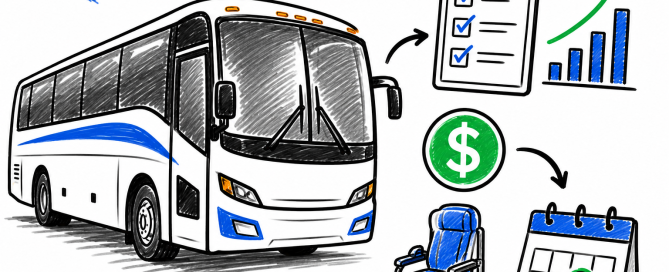
Commercial bus financing for operators helps established fleets assess terms, vehicle fit, cash flow, and documentation before buses enter revenue service.
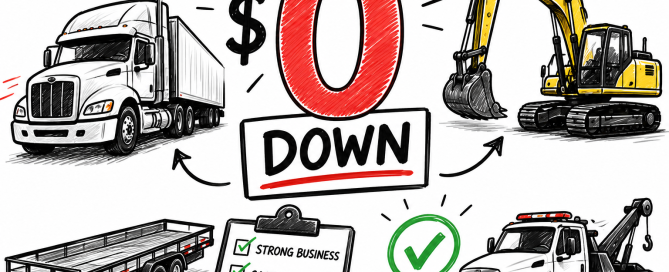
Do lenders offer zero down for equipment? Learn when $0 down may be possible, what lenders review, and how commercial deals are structured.
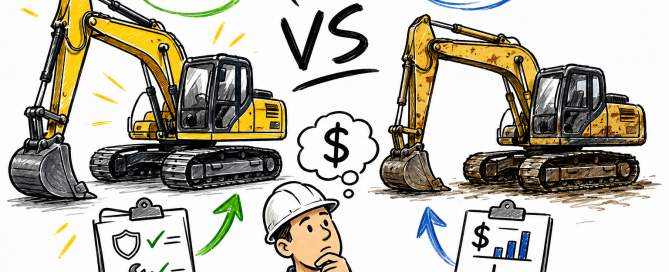
Compare new versus used excavator financing, including approval factors, down payment, terms, uptime risk, and total cost for buyers.
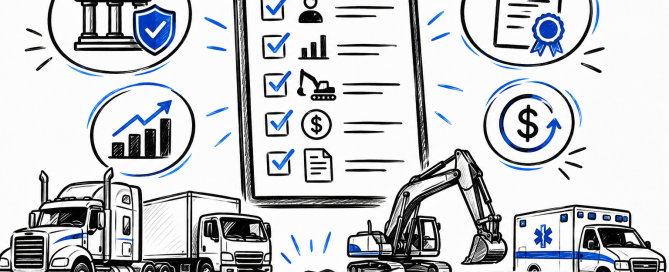
Commercial equipment financing requirements guide for U.S. businesses. Learn credit, cash flow, documents, down payment, and equipment factors.
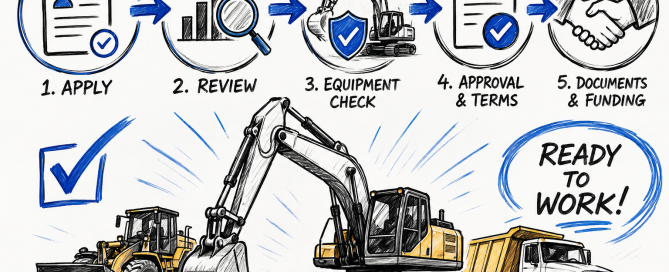
Heavy equipment approval process explained for contractors and fleets. Learn what lenders review, what slows approvals, and how to prepare.