Top Fleet Acquisition Strategies for Growing Businesses
Compare top fleet acquisition strategies for replacing, expanding, and financing commercial vehicles while protecting cash flow and uptime with confidence.


A truck you can put on the road this month is worth more than a cheaper unit that sits in underwriting for three weeks. That is the real starting point for how to get semi truck financing – not just finding a lender, but presenting a deal that fits the truck, the business, and the revenue plan behind it. For owner-operators, carriers, and fleet buyers, semi truck financing is rarely just about rate. It is about preserving working capital, matching payments to cash flow, and getting equipment into service without creating avoidable delays. A strong approval often comes down to preparation, equipment selection, and how the file is structured before it ever reaches a funding source.
The fastest path usually starts with a clear picture of the borrower. Funding sources want to understand who is buying the truck, how the truck will be used, what the business looks like today, and whether the payment makes sense for the operation. If you are an established business, that may mean showing time in business, business bank statements, basic financials, and current fleet details. If you are a newer business or first-time buyer, the focus may shift more heavily to personal credit, industry experience, liquidity, and the specifics of the truck itself. Neither profile is automatically better. They are simply underwritten differently. This is where many buyers lose time. They shop trucks before they know their realistic financing range, or they submit incomplete information and wait while the file gets rebuilt. A more efficient approach is to start with your business profile, your budget, and your intended use case, then identify a truck that fits the approval path.
Commercial truck financing is built around risk and resale value. A funding source is not only looking at whether you want the truck. It is looking at whether the truck makes sense as a revenue-producing asset. That means credit matters, but it is not the only factor. Time in business, hauling history, cash reserves, recent overdrafts, prior truck ownership, and the age and mileage of the unit can all affect the structure. A clean file with average credit can outperform a stronger credit profile tied to a problematic truck or weak documentation. The truck itself also matters more than many buyers expect. A late-model sleeper with reasonable miles from a reputable dealer is generally easier to finance than an older private-party unit with high mileage and incomplete records. Some lenders have tighter guidelines on age, mileage, emissions, or title history. If the equipment falls outside those guidelines, the deal may still be possible, but the terms can change.
If your goal is to understand how to get semi truck financing on workable terms, focus on the parts of the deal you can control. Start with your credit profile. You do not need perfect credit for every truck deal, but unresolved collections, recent charge-offs, high revolving balances, or repeated late payments can narrow your options. If there is a credit issue, be prepared to explain it clearly. A short, credible explanation tied to a resolved event is better than leaving an underwriter to guess. Next, think about liquidity. Many buyers focus only on down payment, but available cash after closing matters too. A lender wants to see that you can handle insurance, plates, startup costs, maintenance, and the first few payment cycles without straining the business. Even where low-down or zero-down structures may be available, stronger cash reserves can improve how the deal is viewed. Then look at the equipment. Financing a truck that aligns with your operation is easier than trying to force approval on a unit that raises questions. If you run regional lanes, the file should reflect that. If the truck is replacing an aging asset, say so. If it is adding capacity for an existing contract, document that. The story behind the purchase should make commercial sense.
A first-time owner-operator usually needs to show readiness. That can include a commercial driver’s license, industry experience, a realistic route to revenue, and enough cash to cover operating expenses. A first-time buyer is not automatically shut out, but weak preparation gets exposed quickly. An established fleet buyer is usually judged on operating performance and overall profile. Current equipment schedules, business cash flow, payment history on existing obligations, and replacement or growth strategy all matter. In many cases, a larger fleet has more options, but it also faces more scrutiny if leverage is already high or utilization is inconsistent.
Commercial financing works best when documentation is assembled before the file is submitted. Missing paperwork creates back-and-forth, and back-and-forth costs time. Most semi truck transactions will require a completed application, business information, an invoice or buyer’s order for the truck, and basic identity and entity documents. Depending on the profile, a funding source may also want bank statements, tax returns, financial statements, proof of insurance, equipment specs, and ownership details. For startups or weaker files, additional support may be needed. Accuracy matters as much as completeness. If the legal business name does not match the invoice, if ownership percentages are unclear, or if bank statements tell a different story than the application, the file slows down. Clean documents help the approval team focus on the deal instead of the errors around it.
The question is not only whether you can finance the truck. It is whether the structure supports the business after funding. Down payment is one lever. A larger down payment may improve approval odds, reduce monthly payments, or help offset concerns tied to credit or equipment age. On the other hand, preserving cash may be more important if the truck needs immediate repairs, working capital, or onboarding costs. The right answer depends on the operator’s liquidity and revenue timing. Term length is another lever. A longer term can improve monthly cash flow, but it may increase total financing cost. A shorter term can reduce overall cost, but it may create pressure during slow periods. Neither is universally better. The structure has to fit the truck’s useful life and the business’s payment capacity. There is also the question of seller type. Dealer transactions are often more straightforward because the paperwork, inspection standards, and title process are cleaner. Private-party deals can still be financed, but they usually require more verification and may not fit every lending program.
Two trucks with the same purchase price can produce very different approval outcomes. A newer truck with service records, lower mileage, and a strong resale profile may qualify for more flexible terms. An older truck with uncertain maintenance history may require more money down or a shorter term. That is why buyers should avoid falling in love with one unit too early. If the goal is to get a truck on the road quickly and profitably, financing should be part of the buying decision, not an afterthought.
Semi truck financing is not a generic consumer loan. It involves commercial-use equipment, business underwriting, vendor coordination, title work, insurance requirements, and lender-specific guidelines. A specialized financing partner can help match the deal to the right program, identify documentation gaps early, and coordinate with the seller to keep the transaction moving. That is especially useful when the file is not perfectly simple. Startups, challenged credit, older trucks, replacement purchases, and fleet expansion all benefit from deal structure that reflects how commercial equipment is actually bought and put to work. In the right situation, approvals can move quickly and funding can follow fast, but that depends on the borrower profile, asset, documentation, and overall structure. Commercial Fleet Financing, Inc. works in that lane every day, helping business buyers finance revenue-producing trucks and equipment with a practical focus on approval support and funding coordination.
The biggest mistake is treating truck financing like rate shopping alone. If the file is weak, the cheapest advertised rate is irrelevant. Approval, terms, timing, and cash flow fit matter more. Another common issue is choosing the wrong truck for the profile. Buyers sometimes pursue older, high-mileage units because the sticker price looks lower, then run into stricter lender requirements or higher upfront cash needs. Cheap equipment can become expensive if it limits financing options or creates downtime. The last mistake is moving too late. If you wait until the seller is demanding same-day funding before gathering documents, you lose leverage and time. A better approach is to prepare the file early, understand your likely structure, and shop equipment within a realistic approval range. If you want better results, think like an operator, not just a shopper. The truck is only part of the transaction. The stronger move is building a financeable deal that gets the asset into service and keeps your business in position to earn from it.
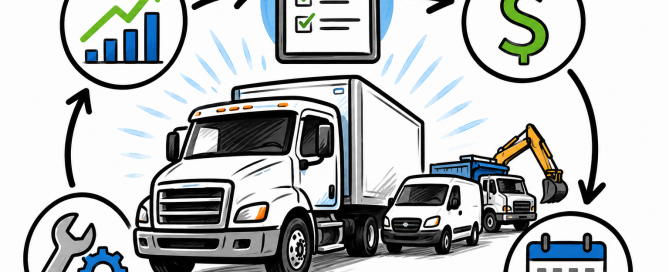
Compare top fleet acquisition strategies for replacing, expanding, and financing commercial vehicles while protecting cash flow and uptime with confidence.
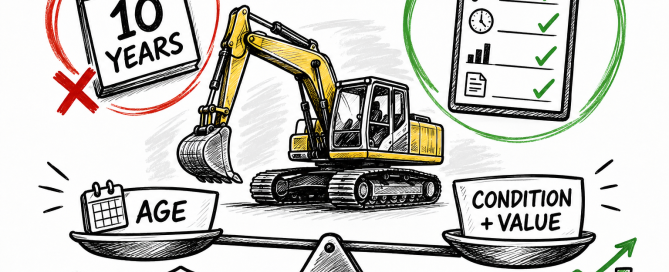
Does equipment age matter? Learn how age, mileage, condition, seller type, and useful life can affect commercial equipment financing options and timing.
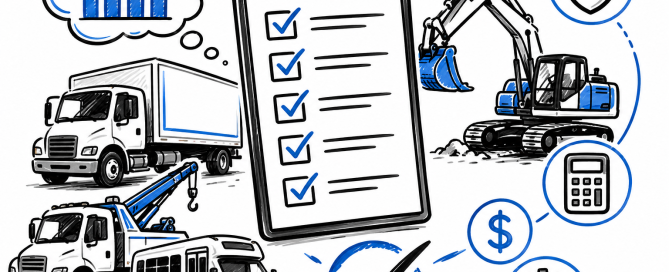
Use this fleet acquisition checklist to assess equipment fit, costs, financing readiness, vendors, and uptime before committing capital to a purchase.
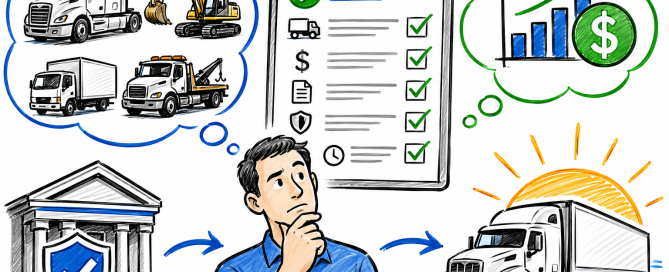
A fleet financing partner review helps established businesses compare lender access, equipment knowledge, terms, timing, and support before they commit.

Learn how to finance ambulances with terms that protect cash flow, fit vehicle specifications, and help qualified medical fleets stay ready for service.