Top Fleet Acquisition Strategies for Growing Businesses
Compare top fleet acquisition strategies for replacing, expanding, and financing commercial vehicles while protecting cash flow and uptime with confidence.

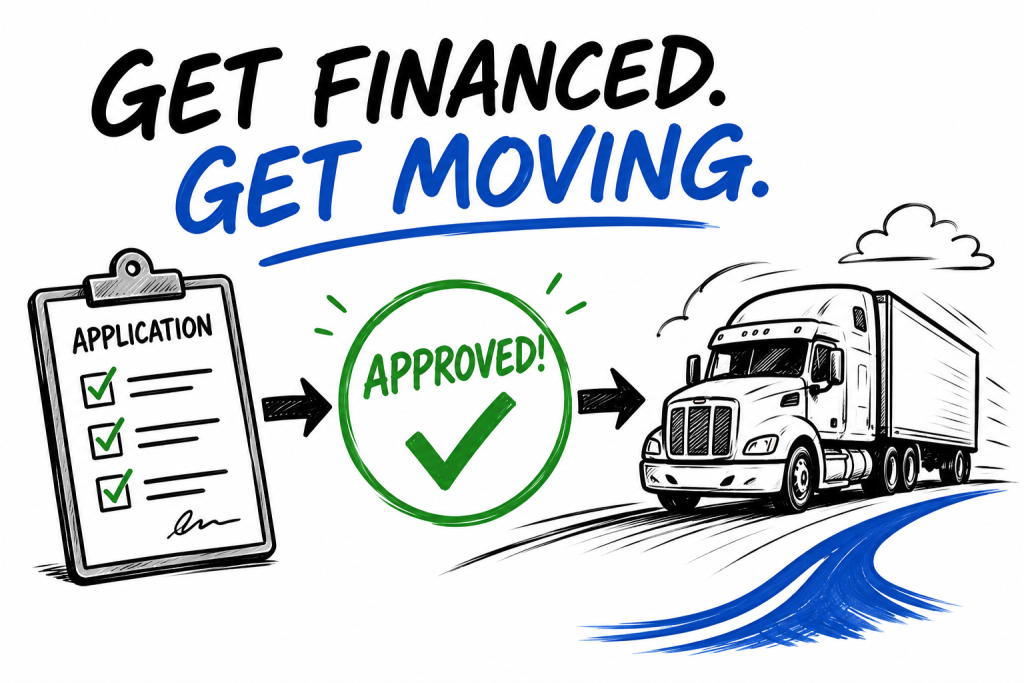
A truck that is ready to work can start producing revenue immediately. A truck that sits because financing is delayed can hold up routes, contracts, hiring, and cash flow. That is why understanding how to get a commercial truck loan matters before you start shopping, not after you have already committed to a unit.
The process is not complicated, but it is specific. Commercial truck financing is built around the borrower, the equipment, the intended business use, and the strength of the overall deal. A first-time owner-operator buying a used semi will be reviewed differently than an established fleet adding three late-model box trucks. The right approach depends on what you are buying, how your business is structured, and how clearly you can show that the truck supports revenue.
The fastest transactions usually start with a realistic picture of the deal. That means knowing the truck type, price range, seller, business-use plan, and who will be the borrower. If any of those pieces are unclear, underwriting can stall while basic questions get answered.
Start with the asset itself. Lenders typically want to know whether you are financing a semi-truck, dump truck, box truck, tow truck, rollback, vocational truck, or another revenue-producing unit. They will also review whether the truck is new or used, the model year, mileage, condition, and where it is being purchased. A newer truck bought from a reputable dealer may fit more programs than an older unit bought in a private-party sale. That does not mean older trucks cannot be financed. It means deal structure matters more.
Next, make sure the borrower profile is clean and consistent. The business name, time in business, entity type, and ownership information should match the documents you provide. If the application says one thing and the insurance, invoices, or formation documents say another, the review process can slow down quickly.
Commercial truck financing is not based on one number alone. Credit matters, but it is only one part of the picture. Lenders usually look at several factors together to decide whether the request makes sense.
Most lenders review personal credit for closely held businesses, especially with owner-operators and smaller fleets. Stronger credit can improve access to better structures, lower required cash in, and more flexible terms. Credit challenges do not always end the conversation, but they can affect down payment expectations, asset eligibility, or documentation requirements.
A startup carrier and a business with five years of operating history are not viewed the same way. If the company is newer, lenders may put more weight on the owner’s industry background, CDL history, contracts, or prior operating experience. A borrower who has spent years in trucking may present less risk than a brand-new operator entering the market for the first time.
Some transactions can be approved with a streamlined application, while others require bank statements, tax returns, or financials. The reason is simple. Lenders want to see whether the business can support the payment while still covering insurance, fuel, payroll, maintenance, and other operating costs. Gross revenue helps, but available cash flow matters more.
The asset has to fit the program. Age, mileage, condition, and use all matter. So does whether the truck is specialized. A sleeper tractor, a dump truck, and a rollback each serve different industries and can be evaluated differently depending on the lender’s appetite and the borrower’s experience.
Some borrowers qualify for low-down or even no-down structures, but that depends on the full deal. Others may need to put money down to strengthen the file, especially if the truck is older, the borrower is newer, or the credit profile is limited. The key is to think in terms of structure, not just rate.
Most delays come from missing paperwork or inconsistent information. If you want to improve speed, gather the core documents before submitting the request.
In many cases, that starts with a completed application, a copy of your driver’s license, business formation documents, and an invoice or buyer’s order for the truck. Depending on the transaction, you may also need bank statements, tax returns, proof of insurance, equipment specs, or photos. If you are buying from a private seller, title details and seller information become especially important.
The cleaner the file, the easier it is to match the request to the right lending program. This is where a specialized commercial financing partner can add value. It is not just about sending an application somewhere. It is about packaging the deal in a way that aligns the borrower, the truck, and the lender requirements from the start.
One of the biggest mistakes is shopping for the truck before understanding the financing range. If you commit to a unit that falls outside lender guidelines because of age, mileage, price, or seller type, you can waste valuable time.
Another common problem is underestimating cash needs. Even if you qualify for a low-down structure, you may still need funds for taxes, registration, insurance, delivery, startup costs, or initial repairs. A deal that looks affordable on paper can become difficult if working capital is too tight after closing.
Borrowers also run into trouble when they treat a commercial truck purchase like a personal auto loan. Commercial financing is based on business use and operational viability. Lenders want to understand how the truck generates revenue, who operates it, and how it fits into the business. Vague answers create friction.
Finally, waiting too long to respond to document requests can break momentum. Trucks sell, sellers lose patience, and delivery schedules change. Speed matters, but responsiveness matters just as much.
If you are a newer business or first-time owner-operator, preparation matters more than trying to force a deal through. Be ready to explain your experience, the type of loads or work you will handle, and why this truck is the right unit for the business.
It also helps to choose the equipment carefully. A clean, reasonably priced truck with solid service records is usually easier to place than an overvalued unit with heavy mileage and unclear history. If you are flexible on age, make, or seller, you may open up more financing options.
Liquidity matters too. Even when no large down payment is required, showing bank strength can support the deal. Lenders want confidence that you can absorb the normal bumps that come with operating a commercial truck.
New trucks and used trucks can both make sense. The better choice depends on your business plan, not just the sticker price.
A new truck may offer longer useful life, warranty coverage, and lower maintenance risk early on. It may also support longer terms in some cases. The trade-off is a higher purchase price, which can increase the payment and total capital commitment.
A used truck may reduce upfront cost and make more sense for a growing fleet trying to preserve capital. But older equipment can trigger tighter lender guidelines, require more cash in, or carry greater maintenance exposure. If uptime is critical, a cheaper truck is not always the lower-cost option over time.
When a deal involves business-use trucks, speed is only part of the job. The bigger value is knowing how to position the request correctly. A specialized financing partner understands truck categories, seller issues, equipment age concerns, title and invoice requirements, and which transactions may fit different lending programs.
That matters if you are replacing an aging semi, adding box trucks for local delivery, financing a rollback for a recovery operation, or expanding a vocational fleet. The structure may need to account for seasonal cash flow, multiple units, startup history, or a mix of equipment conditions. A generic consumer-style process is not built for that.
Commercial Fleet Financing works with business buyers across the U.S. on revenue-producing truck and equipment transactions, helping coordinate approvals, documentation, and funding based on the borrower profile and the asset.
The best time to start is before you are under pressure. If a truck is needed for a signed contract, a replacement cycle, or an expansion plan, start the financing conversation early enough to review options while inventory is still available.
That does not mean you need every detail finalized on day one. It means you should know your business story, have your documents organized, and work with a financing team that understands how commercial truck deals actually move.
A commercial truck loan is not just a way to buy equipment. It is a way to put a revenue-producing asset into service without draining the cash your business needs to operate. The stronger the structure on the front end, the better position you are in once the truck is on the road.
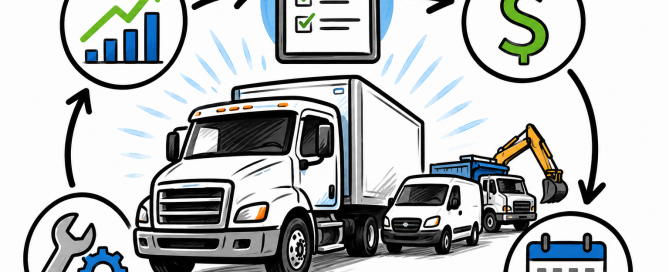
Compare top fleet acquisition strategies for replacing, expanding, and financing commercial vehicles while protecting cash flow and uptime with confidence.
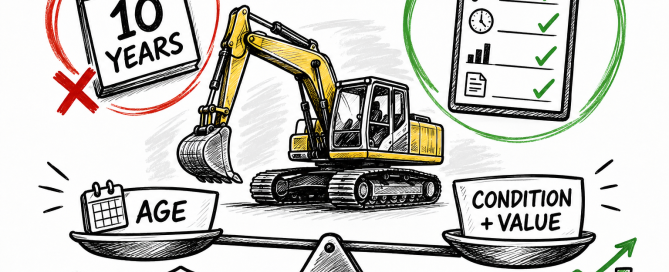
Does equipment age matter? Learn how age, mileage, condition, seller type, and useful life can affect commercial equipment financing options and timing.
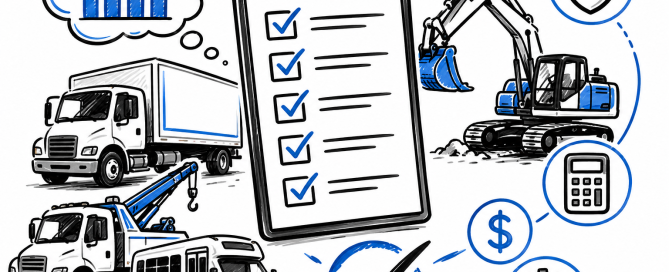
Use this fleet acquisition checklist to assess equipment fit, costs, financing readiness, vendors, and uptime before committing capital to a purchase.
A fleet financing partner review helps established businesses compare lender access, equipment knowledge, terms, timing, and support before they commit.

Learn how to finance ambulances with terms that protect cash flow, fit vehicle specifications, and help qualified medical fleets stay ready for service.