A Multi Unit Fleet Example for Five Trucks
This multi unit fleet example shows how five commercial trucks can be financed while protecting cash flow, managing documents, and timing delivery well.

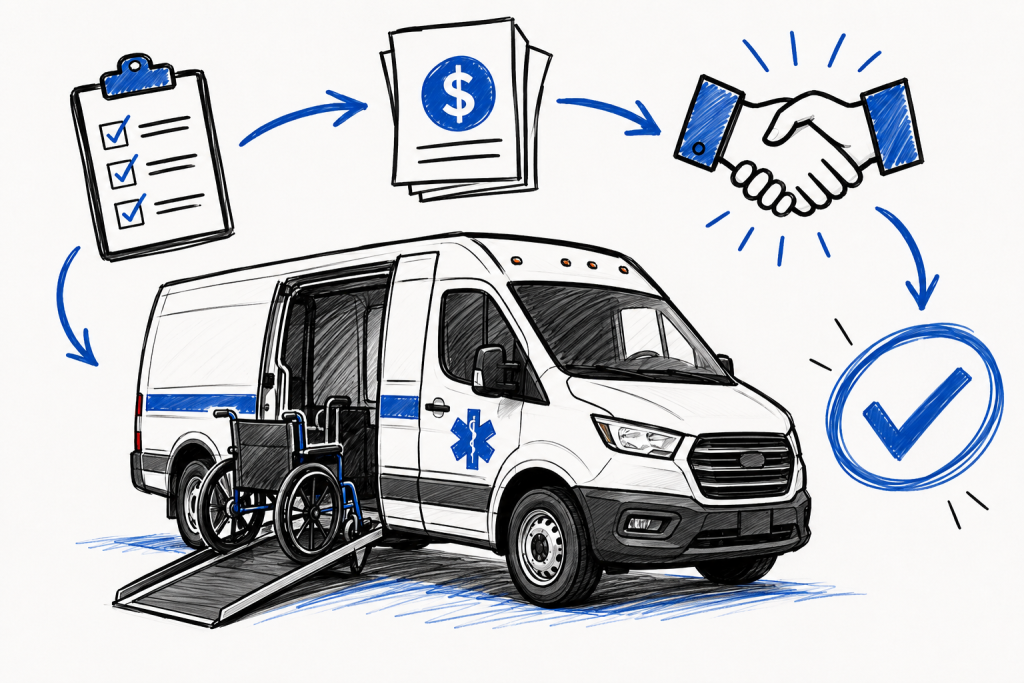
A wheelchair van sitting in the shop for three extra weeks is not just a delayed purchase. For a medical transport operator, it can mean missed contracts, strained dispatch capacity, and revenue left on the table. That is why understanding how to finance medical transport vehicles matters early in the buying process, not after you have already chosen a unit and need to move fast.
Medical transport fleets do not operate like general passenger fleets. Ambulances, stretcher vans, wheelchair-accessible units, and non-emergency medical transport vehicles are specialized commercial assets. They carry higher acquisition costs, more equipment considerations, and more operational pressure. Financing needs to reflect that reality.
The best way to approach financing is to treat the vehicle as a revenue-producing business asset, not just a transportation expense. Lenders and financing sources generally look at how the vehicle will be used, how it supports business cash flow, the condition and age of the unit, and the overall strength of the borrower.
That changes the conversation. Instead of asking only, “What is the monthly payment?” a stronger question is, “What structure fits this vehicle, this business, and this stage of growth?” For one operator, that may mean preserving working capital with a longer term. For another, it may mean putting money down to reduce total finance cost. There is no one-size-fits-all answer.
In practical terms, financing medical transport vehicles usually starts with five variables: the borrower, the vehicle, time in business, credit profile, and intended use. A newer company buying its first wheelchair van may be reviewed differently than an established operator replacing three aging ambulances. Both can be financeable, but the structure may not look the same.
Most commercial financing programs in this category are built around business-use units such as ambulances, wheelchair vans, stretcher vans, ambulettes, and non-emergency medical transport vehicles. In many cases, both new and used units can be considered.
The details matter. A new vehicle from a recognized manufacturer or dealer may present fewer issues than an older, high-mileage unit with heavy prior use. Specialty upfits also matter. A base chassis and a fully converted medical transport unit are not viewed identically, especially when conversion value, maintenance history, and resale strength come into play.
For buyers, that means it is smart to gather full equipment details before submitting a financing request. Year, make, model, mileage, VIN, conversion package, seller information, and purchase price all help shape the deal. If the vehicle is being purchased from a dealer or established vendor, that can also help move the process more efficiently.
New units often offer longer useful life, warranty support, and fewer immediate maintenance surprises. The trade-off is the higher purchase price. Used units can lower the upfront cost and help a growing operator add capacity without overextending cash, but financing terms may vary depending on age, mileage, condition, and marketability.
That is why used equipment financing is often less about the category alone and more about the exact unit. Two used ambulances with the same model year can look very different on paper once mileage, service history, refurbishment quality, and seller credibility are reviewed.
Borrowers often assume approval comes down to credit score alone. In commercial vehicle finance, credit matters, but it is only one piece of the file. Financing sources typically want to understand whether the business can support the payment and whether the asset makes sense as collateral.
They may review time in business, annual revenue, cash flow, debt exposure, and business banking activity. They may also look at the experience of the owner or management team, especially for newer companies entering the medical transport space. A startup with strong industry experience and a clean file may present differently than a startup with limited operating history and thin documentation.
The asset itself also plays a role. Vehicle age, mileage, condition, purchase source, and resale profile can all affect terms. Specialty vehicles are financeable, but they often require a financing partner that understands commercial equipment categories and knows how to position the deal properly.
Most medical transport vehicle transactions are structured as equipment financing or commercial vehicle financing with fixed monthly payments over an agreed term. The term length often depends on the age of the unit, the borrower profile, and how the payment needs to fit business cash flow.
Some borrowers prefer a shorter term to reduce total interest expense and build equity faster. Others need a lower payment to protect working capital while the vehicle is put into service and begins generating revenue. Neither approach is automatically better. It depends on contract timing, utilization rates, maintenance reserves, and broader fleet plans.
Down payment expectations can also vary. Some transactions may support low down payment structures, and in certain cases zero-down options may be available, but that depends on the borrower, the equipment, and the financing source. Buyers should avoid planning around a best-case scenario before the deal is actually reviewed.
A single-vehicle owner-operator may prioritize monthly affordability. A multi-unit fleet may focus more on balancing replacement schedules, maintaining liquidity, and avoiding large capital outlays. A provider adding vehicles for a new contract may need financing speed and coordination with the seller just as much as rate or term.
That is where deal structure becomes more than paperwork. It becomes an operational decision.
If you want a cleaner path forward on how to finance medical transport vehicles, preparation matters. Borrowers who provide complete information upfront usually create fewer delays and fewer surprises.
Start with the basics: business entity information, time in business, ownership details, and financial information that reflects the company accurately. Be ready with the equipment quote or invoice, seller contact information, and any relevant business bank statements or financials if requested.
It also helps to explain the purpose of the vehicle. Is it replacing an aging unit? Expanding an existing fleet? Supporting a new route or contract? That context can strengthen the file because it shows the vehicle is tied to a real operating need and revenue strategy.
If credit is not perfect, the deal may still be workable, but structure becomes more important. A stronger down payment, a better asset, additional supporting documentation, or a different program may help. The key is to present the file clearly instead of submitting partial information and hoping it sorts itself out later.
In this market, financing is not only about approval. It is also about execution. Medical transport vehicles are often purchased from specialty dealers, converters, ambulance builders, and commercial vehicle vendors. Those transactions can involve title work, build sheets, invoices, delivery timing, and upfit details that need to line up.
A financing partner that understands business-use vehicles can help coordinate those moving parts more efficiently. That can matter when the unit is built to spec, when a used unit is in demand, or when the vehicle needs to enter service quickly to support operations.
This is one reason many operators work with a specialized commercial financing partner rather than trying to force a niche asset into a general lending process. The asset category is specialized, and the financing process often needs to be as well.
Operators often ask how fast a medical transport vehicle can be financed. The honest answer is that speed depends on the quality of the file, the asset details, and how responsive everyone is during the process. Some transactions can move quickly, including certain approvals within a short time frame, while others take longer because of documentation gaps, older equipment, startup status, or seller-side issues.
What helps most is getting organized before the purchase becomes urgent. If you know a replacement cycle is coming, start the financing conversation before the current unit is failing inspections or racking up downtime. If you are bidding on new work, think about fleet capacity and financing at the same time.
That kind of planning gives you more room to compare structures, preserve cash flow, and choose equipment based on business needs rather than last-minute pressure.
Not every financing source is equally comfortable with ambulances, wheelchair vans, or non-emergency medical transport units. Experience in commercial fleet and equipment categories matters because the details behind the asset, the seller, and the structure affect the outcome.
Commercial Fleet Financing works with businesses across the U.S. that need financing for revenue-producing vehicles and equipment, including ambulances and non-emergency medical transport vehicles. The value is not just in access to financing programs. It is in understanding how to position the deal, what documentation is likely to matter, and how to keep the transaction moving from application to funding coordination.
If you are buying your first medical transport unit or adding to an established fleet, the smartest move is usually the same: treat financing as part of the equipment strategy, not an afterthought. The right structure should help the vehicle go to work, protect cash flow, and support the next step in your operation.
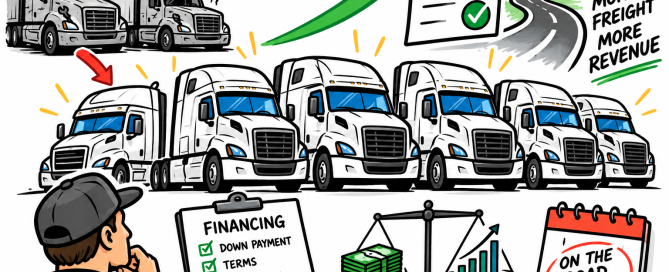
This multi unit fleet example shows how five commercial trucks can be financed while protecting cash flow, managing documents, and timing delivery well.

Learn how equipment collateral affects commercial financing, from asset value and condition to advance rates, documentation, and deal structure decisions.
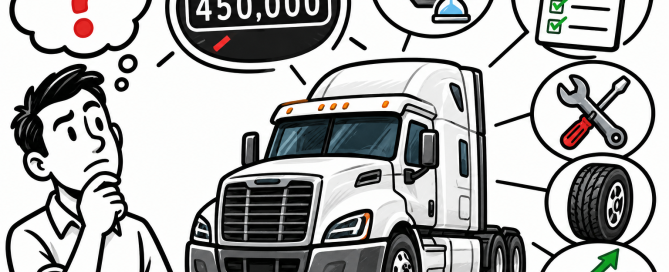
Learn how to evaluate commercial truck mileage before buying or financing, using engine hours, service records, asset age, and intended duty cycle needs.

Fleet cash flow affects uptime, buying power, and growth. Learn how established businesses can plan equipment purchases while protecting working capital.

Compare fleet loans versus credit lines for equipment purchases, repairs, and expansion. See how terms, collateral, cash flow, and timing shape the choice.