Fleet Replacement Trends Shaping 2026 Decisions
Fleet replacement trends are shifting toward uptime, lifecycle cost, and flexible financing. Learn how established businesses can plan asset upgrades.

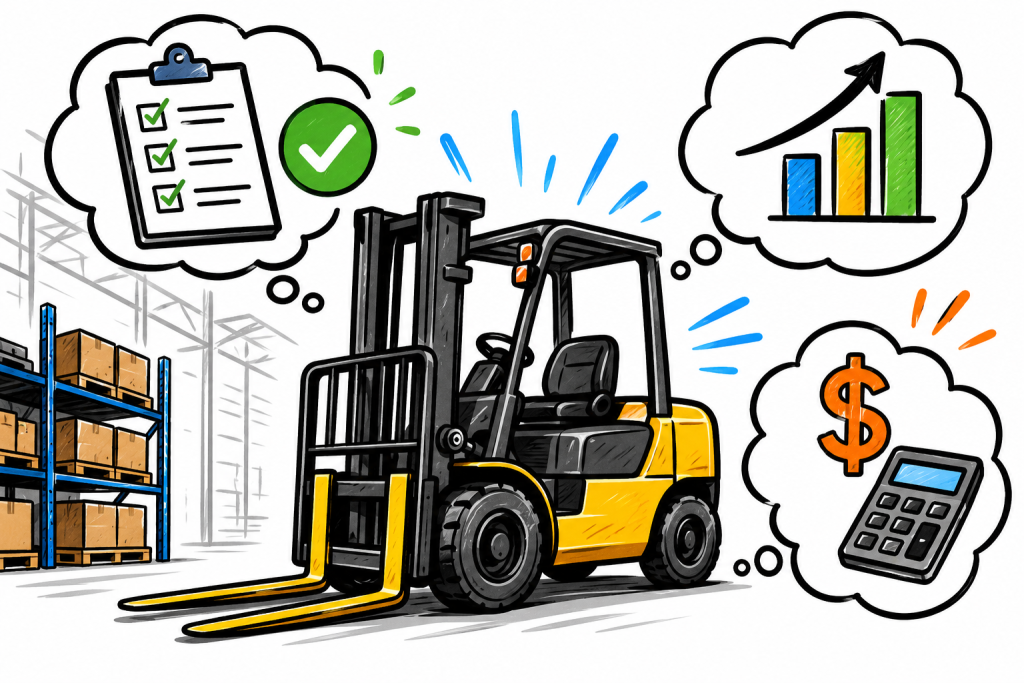
A forklift that is down, undersized, or no longer suited to the work can slow receiving, production, loading, and fulfillment across an entire operation. For established businesses, the question is not simply whether to buy a lift truck. It is how to finance forklifts in a way that puts the right asset into service without tying up cash needed for payroll, inventory, fuel, maintenance, or the next revenue opportunity.
The right structure depends on the machine, its remaining useful life, your business profile, and how the forklift will earn its keep. A new electric warehouse forklift used on two shifts is evaluated differently from a used high-capacity pneumatic forklift for a yard, lumber operation, or construction site.
Financing works best when the equipment choice is clear before the application is submitted. Lenders and financing sources generally want to understand what is being purchased, who is selling it, how it will be used, and whether the asset fits the borrower’s established operations.
Define the duty cycle first. Consider lift capacity, mast height, indoor or outdoor use, fuel type, attachments, tire type, battery requirements, and anticipated hours. A forklift that is inexpensive at purchase can become costly if it cannot handle the loads, aisle widths, or operating environment your team manages every day.
For example, a distribution company replacing an aging 5,000-pound electric sit-down unit may prioritize battery condition, charger compatibility, mast clearance, and service support. A contractor purchasing a 10,000-pound rough-terrain forklift may focus more heavily on age, operating hours, tire condition, attachments, transport needs, and the machine’s ability to work on uneven ground.
That detail matters to the financing conversation. It helps demonstrate that the purchase supports productive business use rather than being an opportunistic equipment purchase with no defined operating plan.
Most forklift transactions are structured as equipment financing, but the form of the agreement affects ownership, payment, and end-of-term decisions. The best fit is usually driven by how long you expect to keep the machine and whether preserving monthly cash flow or building ownership is the higher priority.
An equipment finance agreement, commonly called an EFA, is generally designed for a business that expects to own the forklift at the end of the term. The equipment secures the transaction, and payments are typically set over an agreed term. This can make sense for businesses buying a machine with a long expected service life and a clear place in the fleet.
A company purchasing a late-model forklift for a stable warehouse operation may prefer this approach if it intends to operate the asset well beyond the financing term. The tradeoff is that a structure built around ownership may produce a higher payment than a lease-oriented structure, depending on the terms and residual assumptions.
A capital lease or $1 buyout structure also generally supports end-of-term ownership. It can be appropriate when the forklift is a long-term operational asset, such as a specialty high-capacity machine or a unit with expensive attachments that are difficult to replace.
The specific terminology and accounting treatment should be reviewed with your accounting professional. From an operational standpoint, the central question is simpler: do you expect to keep and maintain this forklift for much of its useful life?
A fair market value lease may fit businesses that refresh equipment on a defined replacement cycle or want more flexibility at the end of the term. At lease end, available options may include returning the equipment, purchasing it at fair market value, or continuing under terms available at that time.
This approach can be useful for larger fleets standardizing equipment across several facilities. It is not automatically the lowest-cost option over the life of the asset, and return conditions, hours, maintenance expectations, and end-of-term obligations should be understood before signing.
Used forklifts can be financeable, particularly when they are late-model, well-maintained, and purchased from an established dealer or commercial seller. However, age, hours, condition, and expected remaining useful life often carry more weight than they do with new equipment.
A 12-year-old unit with high hours may require a shorter term, a larger down payment, or a different financing source than a newer machine with documented maintenance history. Private-party sales can also involve additional documentation and verification, which may affect timing and structure.
Strong businesses can still see different financing options based on the details of a specific equipment purchase. Financing sources commonly review the borrower, the asset, and the transaction as a whole.
On the borrower side, time in business, business and personal credit profile, revenue, cash flow, existing debt, and payment history can all be relevant. For a fleet or equipment-dependent company, the existing equipment base, operating history, and demonstrated demand for the additional unit may provide helpful context.
On the asset side, the lender may consider manufacturer, model, purchase price, age, hours, condition, seller type, and resale market. Brand-name forklifts with broad dealer support and a proven secondary market can be easier to place than highly specialized or poorly documented equipment.
The transaction itself matters as well. A modest forklift purchase that is consistent with the company’s size and operations may be viewed differently from a large expansion involving multiple units, attachments, chargers, racking changes, and a new facility. Neither is inherently problematic, but larger or more complex transactions generally require a fuller credit and operational picture.
Preserving cash is a common reason to finance a forklift. Rather than paying the full purchase price upfront, a business can spread the cost across a term that better matches the equipment’s use. That may leave capital available for inventory, labor, repairs, insurance, or facility improvements.
But the lowest monthly payment is not always the best decision. Extending the term can improve short-term cash flow while increasing total financing cost and potentially leaving payments in place after the forklift’s productive life has declined. A shorter term may cost more each month but can reduce total interest expense and build equity faster.
Down payment is another tradeoff. Qualified established businesses may have low-down or, in some cases, zero-down options available, but those outcomes depend on credit strength, time in business, equipment profile, lender requirements, and the overall deal structure. A down payment can improve approval options, lower the periodic payment, or help offset concerns related to used equipment or aggressive advance rates.
A complete file helps avoid preventable delays, especially when an operations manager needs a replacement forklift quickly after a breakdown or when a vendor has a unit ready for delivery. The necessary documentation varies by transaction, but businesses are commonly asked for a detailed equipment quote or purchase order, business information, ownership details, recent financial information, and bank statements.
For used equipment, request the serial number, year, hours, photographs, maintenance records if available, and a clear description of included attachments. If the machine includes a battery, charger, clamps, fork positioners, sideshifters, or other accessories, make sure they appear on the quote. Missing components can create confusion around collateral value and insurance requirements.
Be direct about the intended use. Explain whether the forklift will replace a failed unit, support a new contract, expand a warehouse shift, or serve a new location. A concise operational explanation can help a financing partner present the transaction accurately to appropriate funding sources.
Forklift financing often looks straightforward until the details emerge: a used unit is being bought from a private seller, the quote includes a battery replacement, the equipment must be delivered before a seasonal rush, or the business needs several units under one coordinated purchase.
A specialized equipment finance broker can help organize the file, coordinate with the vendor, compare available structures, and identify financing sources that fit the borrower and asset. Commercial Fleet Financing works with established U.S. businesses seeking financing for revenue-producing commercial equipment and can help evaluate the practical issues that affect a forklift transaction.
Approval speed, terms, and funding timing are always conditional. Credit profile, business history, asset age and condition, documentation, vendor responsiveness, insurance, and lender requirements all affect the path from quote to funded purchase.
The most productive next step is to gather the forklift quote and a clear picture of how the machine will be used, then review the purchase against your cash flow, replacement plan, and expected utilization. A financing structure should support the work the forklift is expected to perform, not create a payment that outlasts its value to the operation.
Fleet replacement trends are shifting toward uptime, lifecycle cost, and flexible financing. Learn how established businesses can plan asset upgrades.
This fleet expansion case study shows how established businesses can structure truck financing, protect working capital, and put assets to work faster.
Compare commercial financing options for trucks and equipment, protect working capital, and put revenue-producing assets into service with confidence.
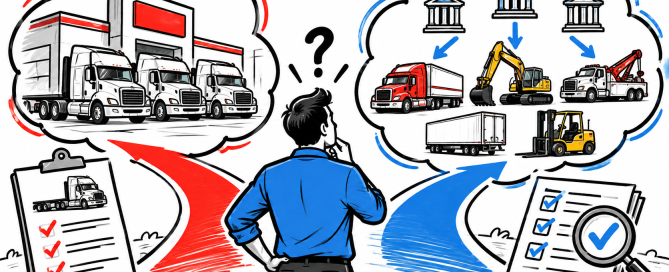
Finance broker versus captive financing: compare lender choice, equipment fit, approval variables, and cash flow before buying commercial assets today.
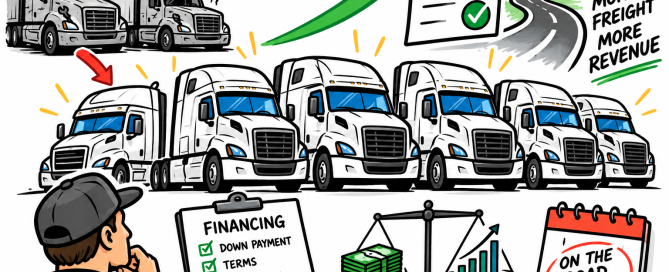
This multi unit fleet example shows how five commercial trucks can be financed while protecting cash flow, managing documents, and timing delivery well.