Fleet Financing Without Straining Cash Flow
Fleet financing helps businesses replace, expand, or upgrade revenue-producing equipment while managing cash flow, uptime, and lender requirements well.

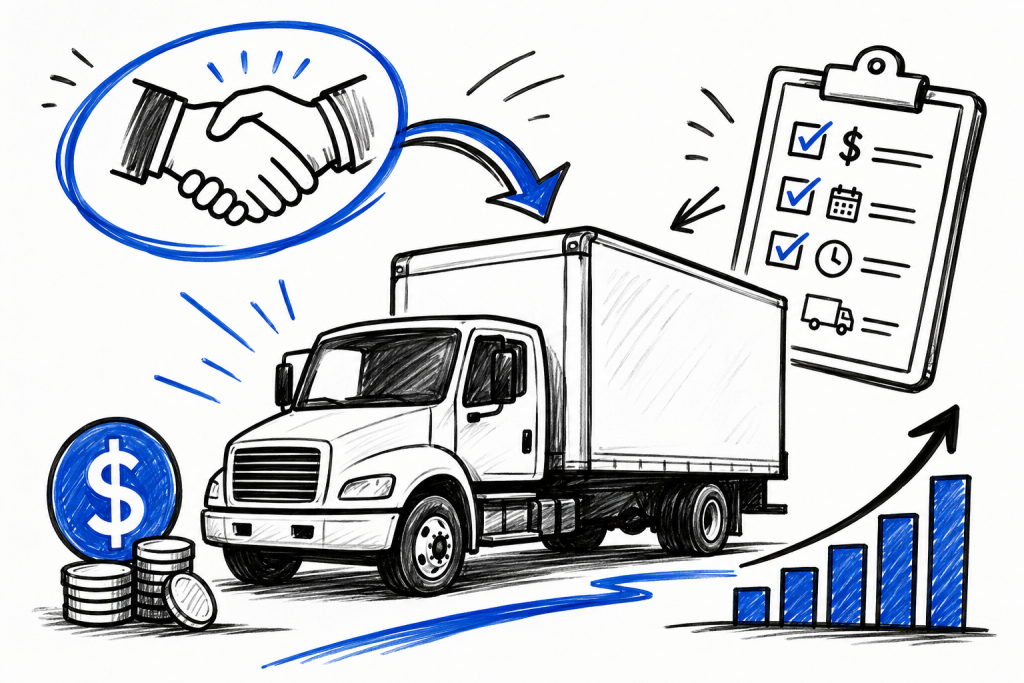
A box truck that sits on a lot is just inventory. A box truck in service is revenue. That is why understanding how to finance box trucks matters so much for delivery companies, moving businesses, contractors, and fleet operators. The right structure can help you put the truck to work quickly without straining working capital or forcing a bad purchase decision.
Most business buyers start with the truck and price. The better starting point is monthly affordability, total cost over time, and how fast the unit can start producing income. A lower purchase price does not always mean a better deal if the truck needs repairs, has limited useful life left, or comes with financing terms that do not fit your operation.
Box truck financing is usually structured around several core factors: the borrower, the truck, the use case, and the deal itself. Lenders want to understand whether the vehicle is being purchased for established business use, whether the borrower can support the payment, and whether the asset makes sense for the requested term. A newer truck with reasonable mileage and strong commercial use often gives you more flexibility than an older unit with a shorter remaining service life.
That is where many buyers lose time. They focus only on finding a truck, then try to fit financing around it at the last minute. In practice, getting your financing lined up early gives you more leverage with sellers, clearer budget limits, and fewer surprises when it is time to close.
If you are wondering how to finance box trucks as a startup, growing fleet, or established operator, expect the review to center on business strength and asset quality. Time in business matters, but it is not the only factor. Lenders may also look at personal credit, business credit, annual revenue, bank activity, existing equipment obligations, and whether the truck will be used in a revenue-producing operation.
The truck itself matters too. Year, make, model, condition, mileage, body type, and seller type can all affect the structure. A clean, business-purpose vehicle purchased from a recognized dealer may be easier to finance than an older private-party unit with incomplete records. Specialized upfits, liftgates, refrigeration units, and route-specific needs can also influence how a deal is underwritten.
This is why a commercial financing partner that understands equipment use cases can help. A box truck for final-mile delivery is not viewed the same way as a box truck for general freight, moving services, or contractor operations. The financing approach should reflect how the vehicle will actually generate revenue.
New trucks usually offer the longest useful life and fewer near-term maintenance concerns, but they also come with a higher purchase price. Used trucks can reduce upfront cost and may improve your return if the unit is still in strong operating condition. The trade-off is that older assets may limit term length, increase down payment expectations, or narrow your lender options.
Neither path is automatically better. If uptime is critical and your routes are predictable, a new truck may justify the higher cost. If you are adding capacity quickly or replacing a unit without overcommitting capital, a well-selected used truck may be the more practical move.
The key is matching the financing term to the truck’s remaining useful life. Stretching payments too far on an aging unit can create a bad cycle where repair costs rise while the truck is still being financed. A sound structure should support operations, not trap them.
Many buyers ask whether they can finance a box truck with low money down. Sometimes yes, but it depends on the borrower profile, the truck, and the full structure of the transaction. Strong credit, time in business, clean bank statements, and a solid commercial use case may improve flexibility. A weaker file or higher-risk asset may require more equity in the deal.
The monthly payment is only one part of the picture. You also need to account for insurance, registration, maintenance reserves, driver costs, fuel, and any modifications needed before the truck can go into service. A payment that looks manageable on paper can still create pressure if the business has not planned for the full operating cost.
This is where disciplined buyers make better decisions. They ask whether the truck will produce enough monthly gross profit to cover not just the note, but the actual cost of keeping it working.
Startups can finance box trucks, but the file usually needs to make sense in other ways. If the business is new, lenders may place more weight on personal credit, industry experience, liquidity, and the strength of the purchase itself. A first-time owner with a clear contract, solid background, and clean financial profile may be viewed differently than a brand-new business with limited cash and no operating history.
That does not mean newer companies are out of the market. It means preparation matters more. If you are a startup, be ready to explain what the truck will be used for, how revenue will be generated, and why this unit fits the business plan. Clear documentation and a realistic request can improve your position.
In many cases, the biggest mistake newer buyers make is asking for too much truck too soon. A right-sized first purchase often gets approved more smoothly and gives the business room to prove performance before expanding.
Speed matters when a truck is available and your business needs capacity. Delays usually come from incomplete paperwork, inconsistent information, or trying to finance a unit that does not fit lender guidelines. A cleaner file tends to move faster.
Most transactions may involve a commercial credit application, business information, equipment details, invoice or purchase order, and supporting financial documents depending on the request. Some lenders may want bank statements, tax returns, proof of insurance, or formation documents. The exact package varies, but accuracy always matters.
If a seller is involved, coordination matters too. Missing VIN details, unclear invoices, or title issues can slow funding even when the borrower is qualified. This is another reason to work with a financing team that knows how to manage documentation and keep the transaction on track.
There is no single best answer to how to finance box trucks because the right structure depends on how your business uses equipment. A company running dense local routes with predictable revenue may prioritize a lower payment and longer term. A contractor replacing a temporary gap truck may care more about preserving cash and getting funded quickly. A fleet adding multiple units may need a structure that works across several acquisitions, not just one.
The practical question is not just Can I get approved. It is Does this structure fit my business over the next 12 to 48 months. If the truck helps you add routes, replace an unreliable unit, improve service capacity, or support a new contract, financing can be a useful growth tool. If the payment strains the business before the truck is productive, it is the wrong deal even if it gets approved.
An experienced commercial financing partner can help evaluate those trade-offs, present options clearly, and align the structure with the truck’s business use, seller timing, and borrower profile. That support becomes especially valuable when you are balancing multiple trucks, specialized bodies, used equipment, or a tight delivery timeline.
A box truck should help your business move, bill, and grow. The financing should do the same.
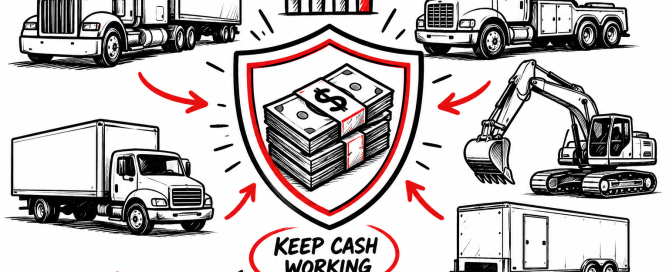
Fleet financing helps businesses replace, expand, or upgrade revenue-producing equipment while managing cash flow, uptime, and lender requirements well.
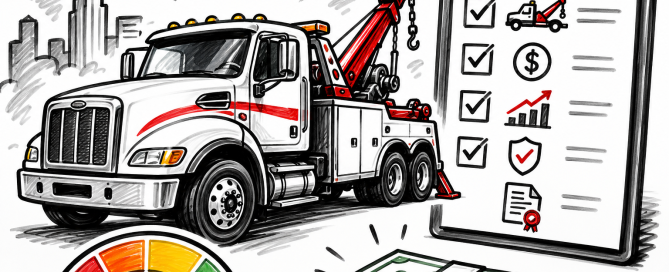
Tow and recovery fleet financing helps established operators replace critical trucks, protect cash flow, and put the right equipment into service reliably.
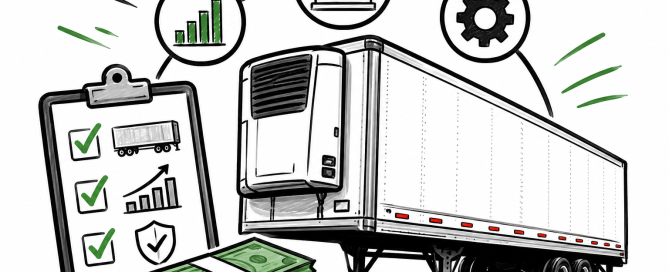
Compare the best trailer financing companies by lender fit, trailer type, asset age, terms, documentation, and funding support for established U.S. businesses.
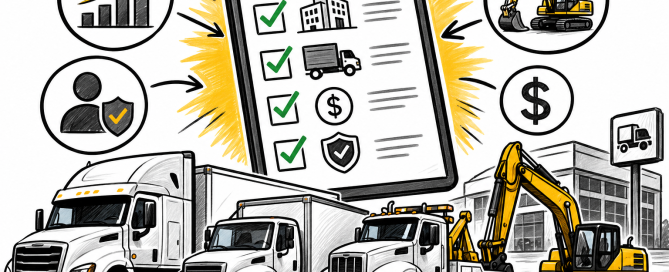
Use this commercial equipment approval guide to prepare your file, address lender criteria, and keep qualified fleet purchases moving toward funding now.
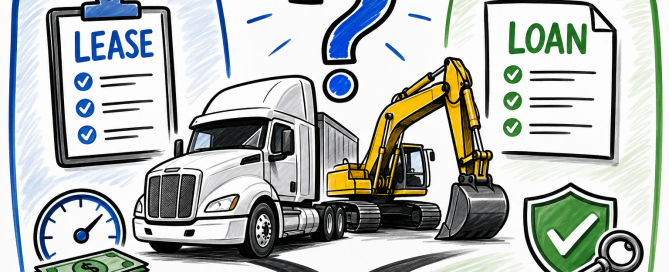
Compare an equipment lease versus loan for commercial trucks and machinery. See how ownership, cash flow, terms, and asset life shape the right fit today.