Box Truck Financing Companies Review Checklist
A box truck financing companies review for established businesses: compare lenders, terms, asset rules, documents, and funding support before buying wisely.

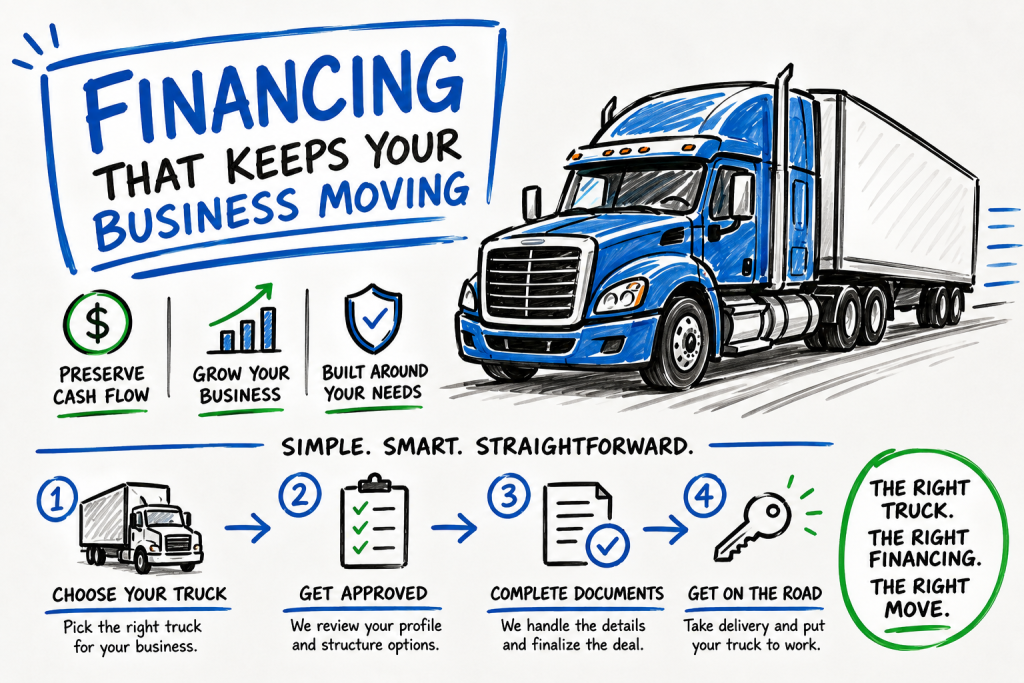
A truck that is ready to haul can start producing revenue right away. The problem is that most businesses do not want to tie up large amounts of cash in one purchase, especially when that capital is needed for payroll, fuel, insurance, repairs, and growth. That is usually the real question behind how does commercial truck financing work – not just how money is borrowed, but how a business acquires equipment without slowing down operations.
Commercial truck financing is a business-use equipment financing process built around the truck, the borrower, and the income the equipment is expected to support. In simple terms, a financing source pays for all or part of the truck purchase, and the business repays that amount over time according to agreed terms. The truck itself often serves as collateral, which is one reason these transactions are structured differently from unsecured business loans.
Most deals begin with a borrower identifying the truck they need. That could be a semi-truck, box truck, dump truck, tow truck, rollback, car hauler, or another vocational unit used in daily operations. The equipment matters because age, condition, mileage, intended use, and resale value all influence how the transaction is viewed.
From there, the financing request is evaluated based on a combination of business and equipment factors. A financing partner reviews the borrower profile, the truck details, and the proposed structure. If the deal fits lender requirements, terms are offered. Once documentation is completed and any conditions are cleared, funding is coordinated with the seller so the buyer can take delivery.
That sounds straightforward, but every commercial truck deal has variables. A startup owner-operator buying a used sleeper tractor is different from an established fleet replacing ten day cabs. A contractor financing a dump truck will be evaluated differently than a medical transport operator acquiring several units for route expansion. The structure depends on risk, cash flow, and the specific asset being financed.
Approval is rarely based on one number alone. Commercial truck financing usually involves a broader look at the transaction. Credit history matters, but it is only one part of the file. Time in business, industry experience, revenue, cash flow, and the strength of the equipment all play a role.
For a stronger borrower, financing may be more flexible. That can mean longer terms, lower upfront cash requirements, or more options on newer or higher-value trucks. For a newer business or a borrower with credit challenges, approval may still be possible, but the structure may change. A larger down payment, a different truck, added documentation, or a shorter term may be needed to make the deal work.
The truck itself is always part of the credit decision. Newer units with cleaner histories and stronger resale values are generally easier to finance than older trucks with high mileage or specialized configurations that are harder to remarket. This is one reason financing for a late-model box truck may look different from financing for an older heavy-duty vocational truck.
The amount financed usually starts with the purchase price of the truck, but that is not always the full story. Depending on the transaction, financed costs may also include taxes, title and registration items, delivery charges, or certain equipment additions. Some deals are structured with money down, while others may allow low down payment options depending on the borrower and the asset.
The repayment term is the next major piece. Terms often align with the truck’s useful life, expected service cycle, and the borrower’s budget. A longer term may reduce the monthly payment, which can help preserve working capital. The trade-off is that total financing cost over time may be higher. A shorter term can reduce overall cost, but it may create a larger monthly obligation.
Payment frequency also matters more than many buyers expect. Most deals are set up with monthly payments, but in some commercial equipment transactions, structure can be shaped around business cash flow. That matters for operators with seasonal patterns or contract-driven revenue.
Interest rate and overall financing cost are part of the picture, but they should not be viewed in isolation. A lower rate on a short term with a large down payment is not automatically the better deal if it strains cash reserves. For many businesses, the better structure is the one that keeps the truck productive while leaving enough liquidity to run the business well.
When people ask how does commercial truck financing work, they often assume there is one standard program. In reality, commercial truck financing is about matching a transaction to the right lending appetite and structure.
Some financing programs fit established businesses with strong credit and clean financials. Others are designed for newer businesses, challenged credit situations, or equipment that falls outside conventional bank preferences. Some programs are more comfortable with used trucks. Others prefer newer model years, stronger collateral profiles, or certain industries.
That is where a specialized commercial financing partner adds value. It is not just about submitting an application. It is about understanding how a semi-truck deal differs from a dump truck deal, how lender requirements change by equipment type, and how to position the transaction so it has a realistic path to approval and funding.
Documentation can be light or more involved depending on the deal. Many transactions start with a basic credit application and the truck invoice or purchase order. From there, additional items may be requested, such as bank statements, business financials, tax returns, proof of insurance, equipment specs, or information on the seller.
For startups or first-time buyers, industry experience can carry weight. A driver moving into ownership may not have years in business, but relevant hauling experience, a solid truck choice, and reasonable cash contribution can strengthen the request. For established fleets, lenders may focus more heavily on business performance, debt capacity, and replacement or expansion strategy.
Speed depends heavily on documentation quality. Clean files move faster. Missing invoices, inconsistent business information, or delayed insurance details can slow a transaction even when the borrower is otherwise qualified.
New truck financing often offers the broadest range of options because the asset is easier to value, easier to insure, and generally carries a longer expected service life. That does not mean used truck financing is difficult. It means the details matter more.
With used trucks, mileage, maintenance history, condition, engine type, and age can all affect structure. Some buyers focus only on the lower purchase price of a used unit, but financing terms may be tighter if the truck is older or falls outside lender comfort zones. In some cases, paying a little more for a newer used truck can produce a better financing outcome and a more dependable asset.
Down payment is one of the most misunderstood parts of the process. It is not simply a hurdle added to the deal. It is one of the tools used to balance risk, monthly payment, and approval strength.
A larger down payment can reduce the financed amount and improve the overall structure. It can also help when the truck is older, the borrower is newer in business, or the credit profile is not perfect. On the other hand, some businesses prefer to preserve cash and seek lower upfront investment if the profile and equipment support that approach. Neither strategy is always right. It depends on the broader financial picture.
Commercial truck financing moves faster and more efficiently when the people involved understand equipment, vendors, and deal structure. A seller may be ready to deliver. A buyer may need the truck in service quickly. The financing side has to keep pace without missing details that affect approval.
A specialized partner can help identify what programs fit the truck, what documentation is likely to be needed, where a structure may need adjustment, and how to coordinate with the seller through funding. That is especially useful for businesses buying multiple units, replacing aging trucks, or financing specialized vocational equipment.
Commercial Fleet Financing works in that lane every day, which matters when a deal involves real operating deadlines instead of casual shopping.
The best financing structure is usually not the one with the flashiest headline. It is the one that fits the truck, the business, and the revenue plan behind the purchase. If the equipment helps your company stay on the road, add capacity, or replace an asset that is costing you uptime, financing should support that move without creating unnecessary strain.
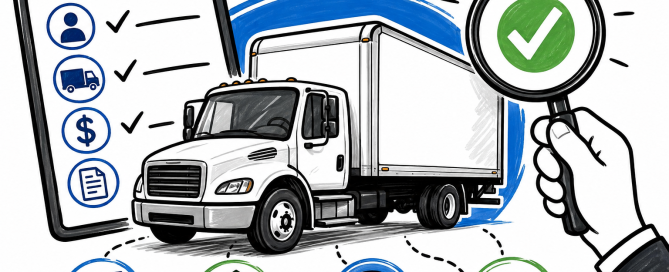
A box truck financing companies review for established businesses: compare lenders, terms, asset rules, documents, and funding support before buying wisely.
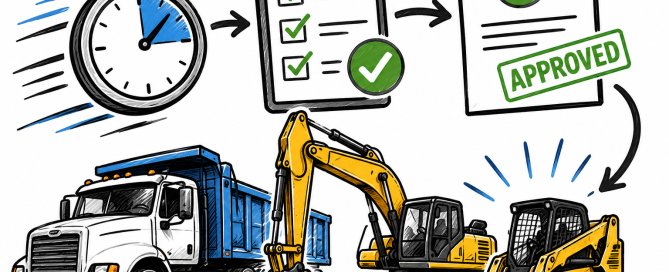
How fast is equipment funding? See what drives approval and funding timelines for qualified commercial trucks, trailers, and business equipment purchases.
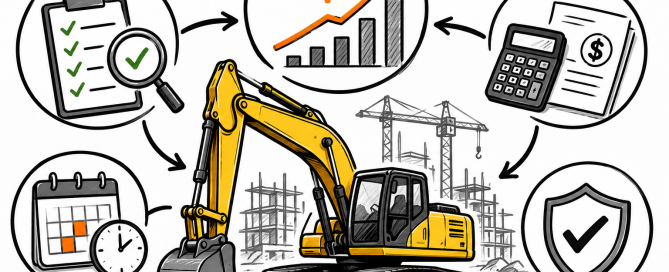
Learn how to finance construction equipment while protecting cash flow, evaluating terms, and preparing a lender-ready commercial equipment file today.

A vendor financing partnership program guide for dealers and manufacturers seeking equipment sales, qualified buyers, and commercial funding support.

Commercial electric vehicle financing trends are reshaping replacement decisions through battery, charging, residual-risk, and cash-flow considerations for fleets.