How to Finance Box Trucks for Your Business
Learn how to finance box trucks with the right terms, down payment, and lender fit so your business can protect cash flow and grow.

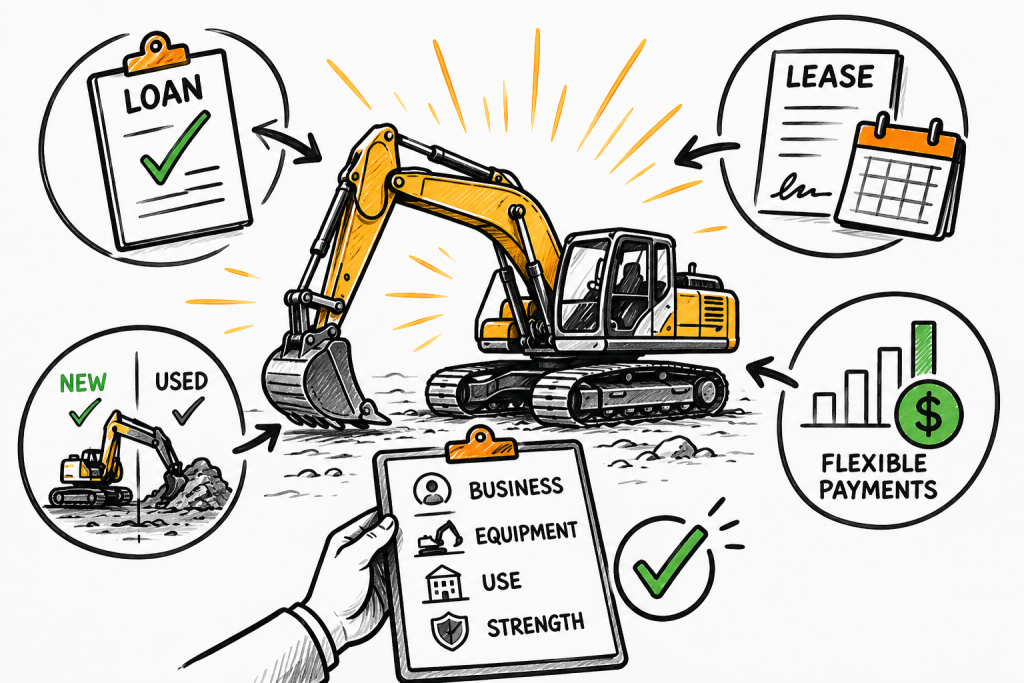
An excavator sitting on a jobsite without a payment plan behind it is often a stalled decision. For contractors, site work crews, utility companies, and demolition businesses, the real question is not just which machine to buy. It is which excavator financing options make the most sense for your workload, cash flow, and replacement cycle.
That answer changes based on how the machine will be used, whether you are buying new or used, and how quickly you need the unit in service. A company taking on larger excavation contracts may prioritize preserving working capital. Another buyer replacing an aging excavator may care more about monthly payment control, term length, and how the deal fits current debt obligations.
Most commercial buyers are looking at a few core structures: equipment financing loans, equipment leases, or custom structures built around the age of the machine, the strength of the business, and the type of seller involved. The best fit depends on the equipment and the borrower, not just the advertised payment.
With a standard equipment financing structure, the excavator is purchased and financed over a set term. The borrower makes fixed monthly payments while using the machine to generate revenue. This is a common path for businesses that want long-term use of the asset and clear ownership at the end of the term.
Leasing can make sense when a business wants lower upfront costs, shorter-term equipment planning, or more flexibility around replacement. That matters for fleets and contractors that prefer to rotate units before maintenance costs rise or before utilization drops. Lease structures vary, so the monthly payment is only one piece of the decision.
Some deals also involve seasonal or customized payment approaches. A contractor with uneven cash flow may need a structure that reflects project timing rather than a one-size-fits-all schedule. This is where working with a commercial financing partner familiar with construction equipment can help the deal fit the business better.
For many buyers, this comes down to how long the excavator will stay in the fleet. If you expect to run the machine for years and build equity in it, a finance agreement often lines up well. If your business upgrades regularly, needs flexibility, or wants to limit cash tied up in a depreciating asset, a lease may be worth a closer look.
There is also the matter of total cost versus monthly burden. A loan structure may cost more upfront because of down payment requirements or monthly payment size, but it can support long-term ownership. A lease may reduce upfront pressure, though the end-of-term path matters. Some businesses value predictable turnover more than ownership, especially if they run multiple machines across different job types.
This is one of those areas where the cheapest monthly number is not always the best business decision. A lower payment may come with restrictions, a shorter useful-life match, or a structure that does not fit the way your company actually uses the equipment.
New equipment generally gives lenders more confidence around value, condition, and remaining useful life. That can help with term flexibility and structure. Buyers who need longer terms or want to minimize maintenance surprises often lean toward newer units for exactly that reason.
Used excavators are still financeable in many cases, but age, hours, condition, and seller type matter more. A late-model used excavator from a known dealer with clear documentation is usually a different credit discussion than an older private-party purchase with limited records. The machine itself plays a larger role in the approval and structure.
For buyers, the trade-off is straightforward. Used equipment may lower the purchase price, but older units can bring tighter financing terms and more maintenance risk. New equipment may support better financing structure, yet the total acquisition cost is higher. The right move depends on your margin, backlog, and tolerance for downtime.
Commercial equipment financing is not just about credit score. Lenders typically look at the overall transaction: the borrower, the machine, the seller, and the intended business use. A strong application usually shows that the excavator is a revenue-producing asset tied to real operations.
Time in business matters. So do annual revenue, cash flow, current debt load, and whether the company has experience with similar equipment. A contractor adding a second or third excavator to support active projects may be viewed differently than a newer business making its first major heavy equipment purchase.
The equipment details matter too. Lenders want to understand make, model, year, hours, condition, and invoice amount. They may also look at whether the machine is being bought from a dealer, auction, manufacturer, or private seller. Clean documentation and a realistic purchase structure can reduce delays.
Down payment expectations vary by deal. Some qualified borrowers may have access to low-down or even no-down structures, while others may need more cash into the transaction. That usually depends on credit strength, equipment profile, time in business, and the overall risk level of the file.
A growing excavation company buying an additional machine often wants to preserve cash for payroll, fuel, attachments, and mobilization costs. In that case, the best structure may be the one that keeps monthly payments manageable without stripping too much working capital out of the business.
A contractor replacing an older excavator may focus on uptime. If the current machine is costing money in lost production and repairs, speed matters. Fast approvals and coordinated funding can help move the transaction forward quickly, especially when the replacement unit is already identified and the documentation is ready.
Startups and newer operators can still have viable paths, but the structure may be more dependent on owner strength, liquidity, industry experience, and down payment. A newer company with strong background in construction is a different credit story than a first-time buyer with limited financial depth.
Dealers and equipment sellers also have a stake in the structure. When financing is aligned early, the sales process tends to move more efficiently. Fewer surprises around documentation, title issues, or borrower expectations can help keep the deal on track.
Preparation matters more than many buyers expect. If you are serious about comparing excavator financing options, gather clean business financials, recent bank statements if requested, equipment details, and seller information before submitting. Delays often happen because a file is incomplete, not because the deal is impossible.
It also helps to think beyond the sticker price. Consider transportation, attachments, taxes, insurance, and whether the excavator will need immediate service work or jobsite modifications. Financing the machine is one part of the acquisition. Putting it into productive service is the business goal.
Be clear about how the unit will be used. If it is tied to signed work, fleet expansion, municipal contracts, land clearing, trenching, or site development, that context can matter. Lenders want to understand the business purpose behind the equipment request.
Finally, work with a financing partner that understands heavy equipment transactions, lender requirements, and how to position commercial-use assets correctly. Commercial Fleet Financing works with business-use equipment buyers across the U.S. and understands that structure, speed, and documentation all affect whether an excavator deal closes smoothly.
A smart financing decision is not just about approval. It is about how the payment fits your job margins and your operating plan over time. A slightly higher monthly payment on a newer, more reliable excavator may reduce downtime risk. A lower purchase price on an older machine may look attractive until repairs interrupt billable work.
That is why experienced buyers look at the full picture: term length, down payment, maintenance outlook, projected utilization, and resale value. They also consider whether the machine supports growth or simply patches a short-term equipment gap.
Good financing should support production, not strain it. If the structure leaves no room for payroll, fuel, repairs, or project delays, the machine may be financed but the business is boxed in. The better approach is to match the deal to the way the excavator will earn its keep.
If you are evaluating excavator financing options, start with the machine, your timeline, and the role it plays in revenue. The right structure is the one that gets the equipment working without putting unnecessary pressure on the rest of the business.
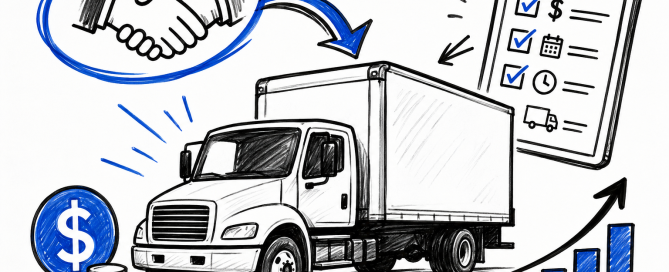
Learn how to finance box trucks with the right terms, down payment, and lender fit so your business can protect cash flow and grow.
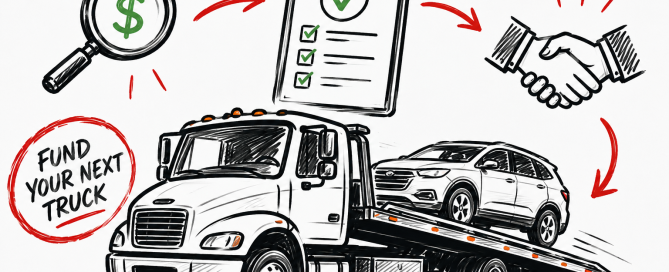
Learn how to finance a rollback truck with the right structure, documents, and lender fit to protect cash flow and put the truck to work fast.
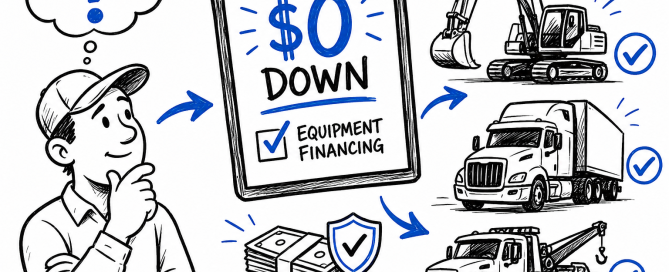
Is zero down equipment financing possible? Yes, in some cases. Learn what lenders review, which assets qualify, and how to improve your odds.
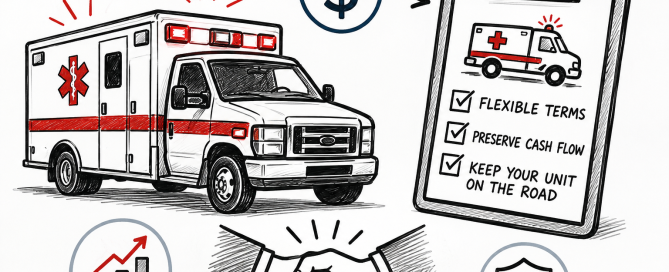
Learn how ambulance financing for businesses works, what lenders review, and how to structure terms that protect cash flow and keep units in service.
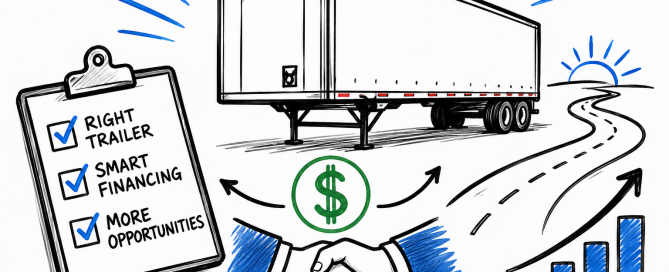
Trailer financing for business can protect cash flow, support fleet growth, and keep equipment working. Learn options, terms, and approval factors.