Fleet Replacement Trends Shaping 2026 Decisions
Fleet replacement trends are shifting toward uptime, lifecycle cost, and flexible financing. Learn how established businesses can plan asset upgrades.

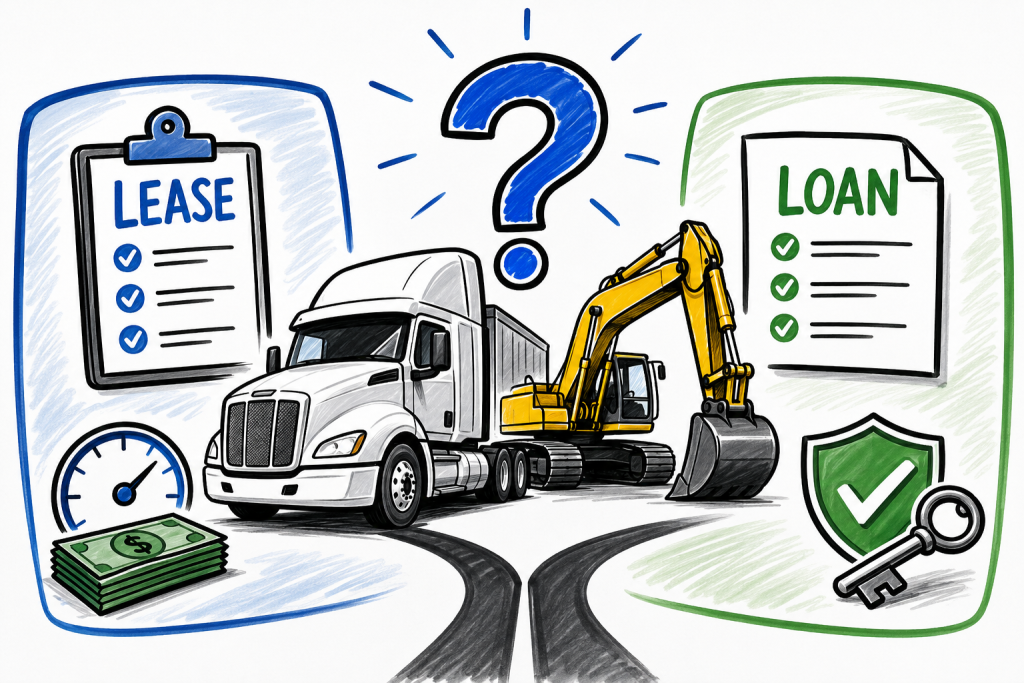
A replacement truck that sits waiting for financing can create a bigger cost than its purchase price. Missed loads, rental expense, overtime, and maintenance interruptions can quickly affect margin. When evaluating an equipment lease versus loan, the useful question is not which option is universally cheaper. It is which structure best matches the asset’s service life, your cash flow, your replacement schedule, and what you want to own at the end.
For an established carrier, contractor, towing company, or medical transport operation, financing should support a productive asset getting into service. The right choice can differ for a late-model sleeper tractor, a specialized wrecker, an excavator, or a forklift used across multiple shifts.
An equipment loan is generally designed for ownership. Your business borrows funds to acquire the truck or equipment, makes scheduled payments, and owns the asset after the obligation is paid. The equipment typically serves as collateral, and the lender may require a down payment, personal guarantee, insurance evidence, and other documentation depending on the transaction.
An equipment lease is an agreement to use the asset for a defined term. Lease structures vary. Some are intended to provide an ownership path at the end, while others are structured around returning the equipment, renewing, or purchasing it at an agreed or estimated value. The end-of-term provision matters as much as the payment.
The practical distinction is this: a loan usually places the residual-value risk and benefit with your business. A lease can shift some of that risk, or preserve flexibility, depending on the structure. Neither result is automatically better.
A loan often makes sense when the business expects to keep equipment well beyond the finance term. Consider a contractor buying a new hydraulic excavator with a long planned service life, or a towing business adding a custom-built heavy-duty wrecker configured for its market. If the asset will remain productive for years and the company wants unrestricted ownership after payoff, a loan can be a straightforward fit.
Ownership also gives the business more control over when to sell, trade, modify, or continue operating the asset. That can matter with vocational equipment where body configuration, hydraulic systems, recovery gear, or specialized upfits make the unit less interchangeable than a standard tractor.
A loan may be particularly worth considering when the purchase is used equipment with a clear condition report and an expected remaining useful life that supports the requested term. However, age, mileage, hours, and seller type still affect available programs. A 3-year-old box truck bought from an established dealer may be viewed differently than an older unit purchased privately with limited maintenance records.
The tradeoff is that the borrower carries resale-value exposure. If used-truck values weaken or the equipment becomes less suitable for the business sooner than expected, the company still has the loan balance to manage. Monthly payments may also be higher than under certain lease structures because the financing is built around full ownership.
A lease can be useful when preserving working capital is a priority or when the company expects to replace equipment on a planned cycle. A regional fleet replacing tractors every four or five years, for example, may value a structure that better aligns payments and end-of-term choices with that cycle.
Leasing can also help a business avoid tying up more cash than necessary in assets that depreciate quickly or are likely to be upgraded. That does not mean a lease eliminates responsibility for equipment condition or end-of-term obligations. Usage, maintenance, mileage, return provisions, and purchase options need to be understood before documents are signed.
For a business expanding its fleet, the lower upfront cash requirement that may be available through some lease programs can leave capital available for fuel, payroll, permits, insurance, parts inventory, and driver onboarding. Whether low- or zero-down options are available depends on credit strength, time in business, asset type, fleet history, documentation, and lender requirements.
A lease is not automatically the lower-cost option over the entire life of an asset. It may deliver the better operational fit, particularly when flexibility and cash preservation have more value than long-term ownership.
Many equipment financing decisions go wrong because the buyer compares only the monthly payment. That leaves out the central issue: what happens when the term ends?
A structure with a nominal purchase option is commonly used by businesses that expect to own the equipment after the final payment. It may function economically much like a purchase-finance arrangement, even though it is documented as a lease.
A fair-market-value purchase option can provide more flexibility at the end. The business may have choices to purchase, return, or renew, subject to the agreement. This may suit equipment with a predictable replacement cycle, but the company should understand how the purchase amount is determined and the condition requirements for any return.
A fixed purchase option provides a known amount due at term end. It can make planning easier, but it should be evaluated alongside the expected market value of the equipment at that point. A lower payment today can reflect a larger end-of-term obligation.
Ask for the complete payment schedule, purchase or return provisions, and any applicable notice requirements. For fleet equipment, also confirm how excess mileage, wear, maintenance, body damage, missing components, and aftermarket modifications are handled.
Commercial assets do not age the same way. A late-model highway tractor may have an active secondary market, while a highly specialized rollback with custom recovery equipment may be more valuable to the current operator than to a broad resale market. A construction machine’s value can turn on hours, attachments, maintenance history, emissions configuration, and regional demand.
That is why an experienced financing review looks at more than purchase price. Useful questions include:
A five-year term on a newer, well-specified truck may be reasonable in one operation but unsuitable for an older, high-mileage unit. Similarly, a lease structured around replacement flexibility may be sensible for a growing fleet but unnecessary for a company that intends to run a durable asset for a decade.
The best structure on paper must still fit available lender programs. Established businesses with strong commercial credit, consistent revenue, adequate liquidity, and proven industry experience may have more choices. A fleet’s operating history and equipment mix can also matter, especially for transportation and vocational assets.
Lenders commonly review time in business, business and owner credit, debt obligations, bank statements or financial statements, fleet history, insurance, the equipment quote, and the asset itself. For used equipment, maintenance records, serial numbers, hours or mileage, title status, and seller information may be important. A transaction involving a dealer can move differently from one involving a private seller because documentation and funding procedures differ.
This is where a specialized equipment finance partner can add practical value. Commercial Fleet Financing, Inc. works with qualified businesses and multiple funding sources to help evaluate equipment, documentation, and structure before the deal reaches the finish line. Approval timing and funding speed vary by borrower profile, asset, seller, and document readiness, but resolving those details early can reduce avoidable delays.
Loans and leases can have different accounting and tax treatment, but the right outcome depends on the structure and the business’s circumstances. Equipment depreciation, lease expense treatment, and potential deductions are not interchangeable concepts. They also change with applicable rules and how the transaction is documented.
Use tax considerations as one input, not the sole reason to select a lease or loan. Your CPA or tax advisor can evaluate the current treatment for your business. The operations team should still answer the core commercial question: will this equipment produce enough reliable revenue, for long enough, to support the chosen payment and end-of-term obligation?
Before requesting quotes, prepare the equipment specifications, seller quote, intended use, expected annual mileage or hours, and a realistic replacement plan. That gives your finance team a clearer basis to compare a lease and a loan, and it helps ensure the chosen structure supports the asset once it is on the job.
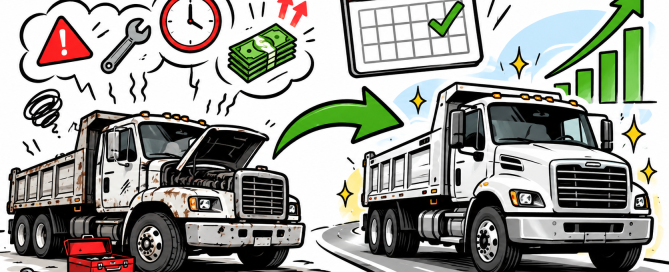
Fleet replacement trends are shifting toward uptime, lifecycle cost, and flexible financing. Learn how established businesses can plan asset upgrades.
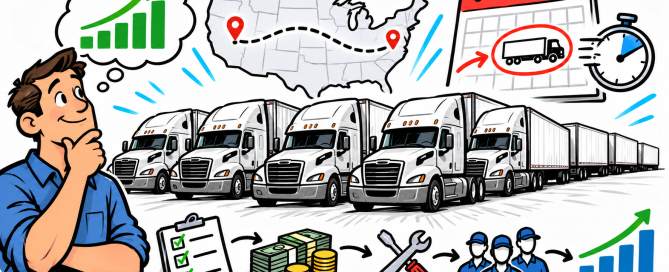
This fleet expansion case study shows how established businesses can structure truck financing, protect working capital, and put assets to work faster.
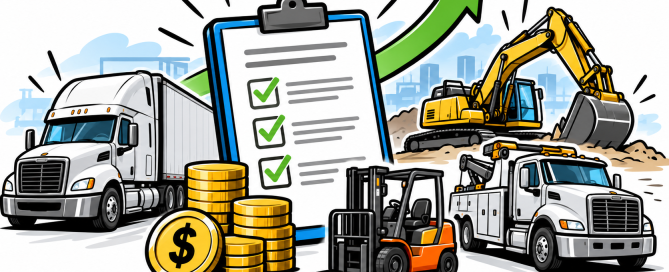
Compare commercial financing options for trucks and equipment, protect working capital, and put revenue-producing assets into service with confidence.
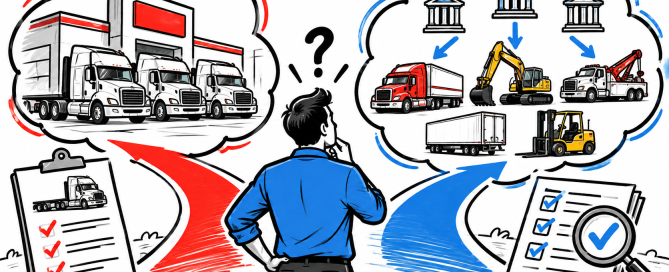
Finance broker versus captive financing: compare lender choice, equipment fit, approval variables, and cash flow before buying commercial assets today.
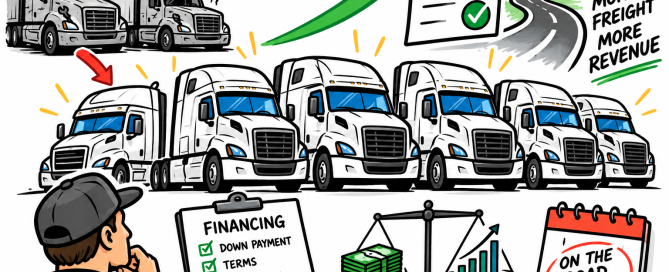
This multi unit fleet example shows how five commercial trucks can be financed while protecting cash flow, managing documents, and timing delivery well.