A Multi Unit Fleet Example for Five Trucks
This multi unit fleet example shows how five commercial trucks can be financed while protecting cash flow, managing documents, and timing delivery well.

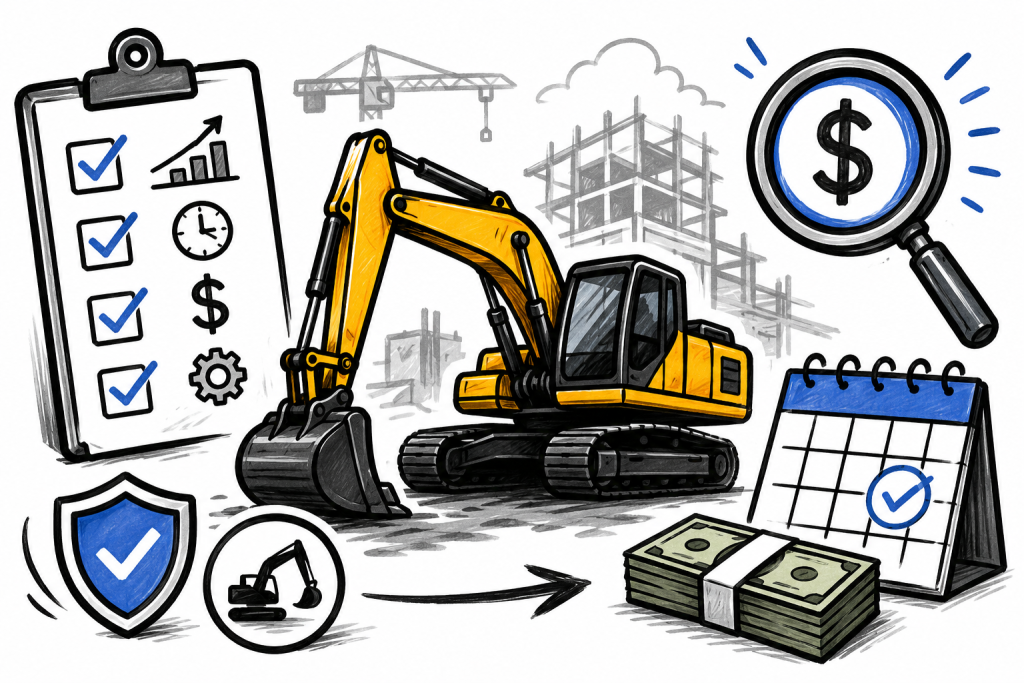
A construction equipment loan review should start before the purchase order is signed. An excavator, skid steer, dozer, wheel loader, crane, or compact track loader may be central to a new contract or a replacement plan, but the wrong financing structure can put unnecessary pressure on working capital long after the machine is in service.
For an established contractor, the question is not simply whether financing is available. It is whether the term, payment, down payment, collateral requirements, and timing match the equipment’s expected workload and the company’s cash flow. A productive machine should support the business, not force the business to chase the payment.
The first part of a useful construction equipment loan review is operational, not financial. Define what the asset will do, how soon it needs to be working, and whether it replaces a recurring maintenance problem or adds capacity for booked work.
A $180,000 excavator replacing an unreliable unit can protect uptime, reduce repair exposure, and keep a crew on schedule. A similarly priced excavator purchased ahead of uncertain work carries a different risk. Both may be financeable, but the proper structure may not be the same.
Consider the equipment’s expected utilization. A machine assigned to a long-term site-development contract may support a predictable monthly payment. A specialized attachment or seasonal piece of equipment may call for more caution around term length and down payment. The goal is to avoid extending the financing well beyond the period when the equipment is likely to be productive, reliable, and valuable to your operation.
Equipment type also affects the review. Common, liquid assets such as late-model excavators, loaders, skid steers, and certain aerial lifts can be easier for financing sources to evaluate than highly specialized, modified, or older equipment. That does not make specialized assets unavailable for financing. It means the asset’s resale market, condition, age, and seller documentation may carry more weight.
A stated rate matters, but it is not a complete comparison. Business owners should review the entire obligation, including payment amount, term, advance rate, fees, required down payment, prepayment provisions, and any end-of-term conditions.
A longer term can reduce the monthly payment and preserve near-term cash flow. It can also increase total financing cost and create a situation where the payoff balance remains high after the equipment’s market value has declined. A shorter term generally builds equity faster but may place more strain on monthly operating cash.
There is no universally correct answer. A contractor with substantial backlog, stable receivables, and a fleet replacement cycle may reasonably prioritize payment flexibility. A company buying a machine with a shorter useful life or significant expected hours may prefer a more conservative term.
Review whether the proposal is structured as a loan or a lease. With a loan, the business typically owns the equipment and the financing source holds a security interest until payoff. Lease structures can vary widely. Some are designed for ownership at the end of the term, while others may offer different end-of-term options. The practical issue is understanding the intended ownership outcome and any remaining obligation before signing.
Payment timing deserves attention as well. Monthly payments are common, but some businesses may have revenue patterns that support other schedules when available. A landscaper, site contractor, or company with concentrated seasonal work should not assume that a standard structure is automatically the best fit.
Construction equipment is evaluated as collateral, but lenders and financing sources do not view all used machines equally. Year, hours, maintenance history, configuration, serial number verification, and marketability can influence available structures.
A late-model machine with documented service records from an established dealer is usually easier to assess than an older unit sold privately with incomplete records. High hours do not automatically disqualify equipment. Many well-maintained machines remain productive for years. However, higher hours and age may narrow term options, increase equity requirements, or require a closer look at condition.
The seller matters, too. A dealer invoice or manufacturer quote generally provides a clear equipment description, purchase price, and seller information. Private-party transactions can be workable, but they often require added verification. That may include proof of ownership, lien searches, photographs, serial-number confirmation, payoff information if the seller has a lien, and documentation supporting the agreed value.
Do not overlook attachments. Buckets, hydraulic hammers, grapples, trenchers, mulchers, GPS grade-control systems, and trailers can be part of the transaction, but they should be correctly described in the quote and financing documentation. Ambiguity creates avoidable delays when the deal is being reviewed for funding.
Financing sources evaluate the borrower and the equipment together. An established business with strong commercial credit, consistent revenue, documented experience, and an existing fleet or equipment base may have more options than a newer or lightly documented operation.
Common review factors include time in business, business and guarantor credit, annual revenue, bank activity, debt obligations, fleet history, comparable equipment ownership, and the intended business use of the machine. A contractor purchasing its third excavator for contracted work presents a different profile from a company making its first major equipment purchase.
Documentation is not merely administrative. It helps establish that the transaction fits the company’s real operating needs. Depending on the request, a financing source may ask for business bank statements, financial statements, tax returns, equipment schedules, proof of insurance, a vendor quote, and information about current contracts or backlog.
Prepare these items early when timing matters. A delayed insurance certificate, unsigned purchase order, missing serial number, or unclear payoff can hold up an otherwise well-structured transaction.
Many buyers focus on minimizing the down payment. Preserving cash can be sensible when the business needs funds for payroll, mobilization, materials, repairs, fuel, or job costs. Yet putting some equity into a purchase can improve the overall structure, particularly for used equipment, older assets, or purchases with a higher price relative to equipment value.
A low- or potentially zero-down structure may be available for some qualified borrowers and assets, depending on credit profile, time in business, fleet history, documentation, lender requirements, and deal structure. It should be evaluated as a cash-flow decision rather than treated as an automatic benefit.
For example, a contractor with ample liquidity may choose a down payment that lowers the monthly obligation and reduces the risk of owing more than the equipment is worth. Another company may keep more cash on hand because it is mobilizing multiple crews for a new project. Both decisions can be rational if they are tied to a clear operating plan.
The equipment purchase is only one moving part. Dealers, manufacturers, private sellers, insurers, title or lien records, delivery schedules, and funding requirements must often line up. That is why communication between the buyer, seller, and financing parties matters.
Before committing, confirm the exact purchase price, any freight or setup charges, attachments, deposits already paid, expected delivery date, and whether a trade-in or existing payoff is involved. Ask who will coordinate final documents and what must be completed before funds can be released.
Commercial Fleet Financing, Inc. works as a specialized equipment finance broker and financing partner, helping qualified established businesses evaluate available structures, assemble documentation, and coordinate the transaction with vendors and funding sources. Approval timing and funding speed can vary materially based on the borrower, asset, seller, documentation, lender requirements, and overall deal structure.
The strongest financing decision is usually the one that makes operational sense six, 12, and 36 months after delivery. It gives the business equipment capable of producing revenue, leaves sufficient cash for the work around it, and sets a payment the company can carry through normal variations in utilization and collections.
Before moving forward, compare proposals on total obligation, not just payment or rate. Confirm the equipment details, ask how the structure treats ownership at the end of the term, and make sure the seller can provide the records needed to close. A well-prepared file and a realistic view of the machine’s role in the fleet give the transaction its best chance of moving from quote to jobsite without unnecessary friction.
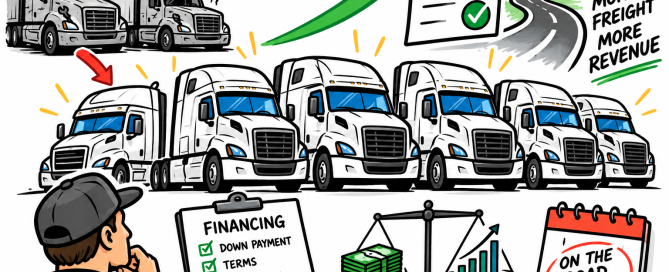
This multi unit fleet example shows how five commercial trucks can be financed while protecting cash flow, managing documents, and timing delivery well.
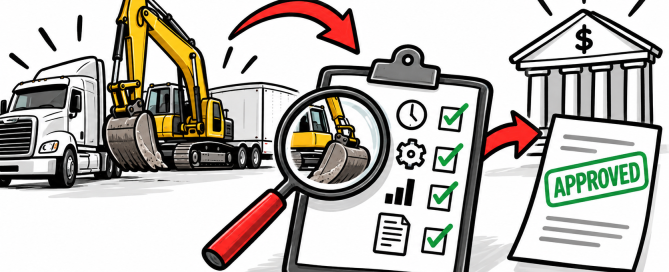
Learn how equipment collateral affects commercial financing, from asset value and condition to advance rates, documentation, and deal structure decisions.
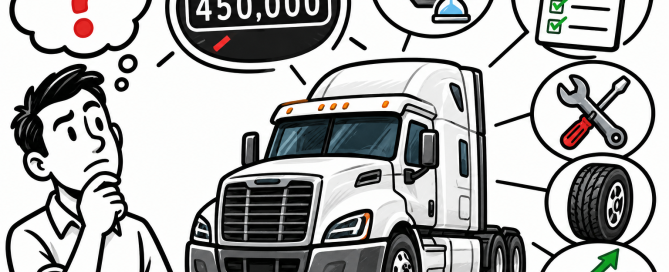
Learn how to evaluate commercial truck mileage before buying or financing, using engine hours, service records, asset age, and intended duty cycle needs.
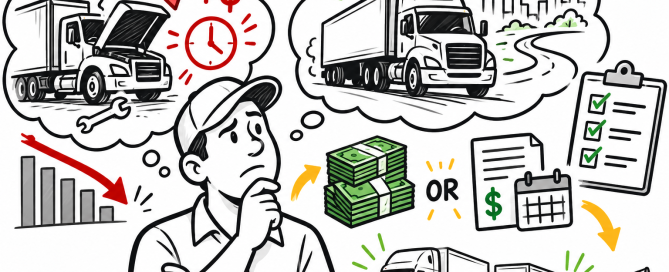
Fleet cash flow affects uptime, buying power, and growth. Learn how established businesses can plan equipment purchases while protecting working capital.
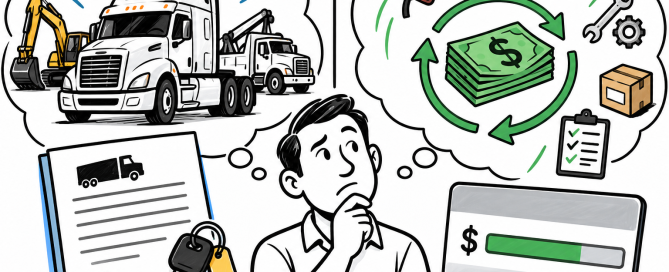
Compare fleet loans versus credit lines for equipment purchases, repairs, and expansion. See how terms, collateral, cash flow, and timing shape the choice.