How to Finance Multi-Unit Fleets Without Cash Strain
Learn how to finance multi-unit fleets with structures that protect working capital, fit replacement schedules, and support faster equipment deployment.


A credit score problem can sideline a truck purchase fast, especially when you need that unit on the road to cover routes, replace aging equipment, or take on new work. But commercial truck financing for bad credit is not the same as walking into a consumer auto loan office and hoping for the best. In commercial equipment finance, the truck, the business, the deal structure, and the revenue story all matter.
That distinction matters for owner-operators, small fleets, and growing transportation companies. A weaker credit profile can make financing harder, more expensive, or more document-heavy, but it does not always make it impossible. Lenders that understand commercial-use vehicles often evaluate more than a score alone, especially when the truck supports active business operations and clear income potential.
In this market, bad credit usually means more than one thing. It may be a low score, open collections, prior slow pays, high utilization, tax issues, recent credit events, or a limited borrowing history. Some borrowers also have credit damage from a past business disruption while the company itself is now performing well.
That is why lenders tend to review the full transaction, not just a single number. They want to understand whether the borrower can operate the truck profitably and whether the file makes sense from a risk standpoint. Time in business, industry experience, recent bank activity, cash flow, available down payment, and the age and condition of the truck can all affect the outcome.
A first-time buyer with bruised credit buying an older semi-truck will usually be viewed differently than an established carrier replacing a late-model sleeper with documented contracts and stable deposits. Both are bad credit scenarios on paper, but the risk profile is not the same.
The biggest mistake borrowers make is assuming approval is only about whether they qualify or do not qualify. In reality, structure often determines whether a deal is workable.
For example, newer equipment is generally easier to finance than very old equipment because lenders are more comfortable with collateral that holds value and stays in service longer. A stronger down payment can help offset credit weakness. Choosing a truck that fits the business model and revenue level can also improve the file. If the requested payment is too aggressive for the business cash flow, the issue may not be credit alone. It may be that the deal needs to be resized or restructured.
This is where a specialized commercial financing partner can add real value. Matching the borrower, truck type, use case, and documentation to the right lending program is different from submitting a file blindly and hoping it sticks. The details matter, including whether the equipment is a day cab, sleeper, dump truck, box truck, rollback, tow truck, or vocational unit tied to a specific line of work.
Borrowers with damaged credit usually get better results when they present a stronger business case. Lenders want to see that the truck is not a speculative purchase. They want to see a revenue-producing asset tied to an operating business.
A few factors often help. Time in business matters, even if the owner had past credit issues. Industry experience can offset concern when the borrower has a track record running similar equipment. Cash in the bank helps, not only as a liquidity signal but also because it shows the business can absorb operating costs. A reasonable down payment can reduce lender exposure and improve terms.
Documentation also matters more in challenged files. Recent bank statements, business formation documents, a commercial driver’s license when relevant, proof of insurance requirements, equipment details, and a clear invoice from the seller all help keep the process moving. If there are credit problems with a story behind them, a concise explanation can help as well. Lenders do not ignore credit issues, but they do look at context.
Not every truck is equally financeable in a bad credit scenario. Lenders tend to be more comfortable with equipment that is easier to value, easier to resell, and better aligned with a proven commercial use.
A cleaner, later-model truck from a reputable dealer may present less risk than a high-mileage private-party unit with limited service records. The same borrower may see different options depending on whether they are financing a semi-truck for over-the-road hauling, a dump truck for a contractor with active jobs, or a box truck for local delivery work. Asset type, age, mileage, condition, and seller quality all influence how the file is viewed.
This is one reason bad credit borrowers should shop for the right truck, not just the cheapest truck. A lower purchase price can look attractive, but if the equipment is too old or too difficult to place with a lender, the lower price may not help.
Commercial truck financing for bad credit often comes with trade-offs. The borrower may need to put more money down. The term may be shorter. The rate may be higher than what a stronger-credit borrower would receive. Some lenders may require more documentation or place limits on truck age, mileage, or seller type.
That does not mean the transaction is bad business. If the truck will generate reliable revenue, protect working capital, or replace a unit that is costing too much in repairs and downtime, financing can still make sense. The better question is whether the payment fits the business and whether the equipment supports profitability.
Many borrowers make progress by improving one or two parts of the file rather than trying to fix everything at once. A larger down payment, a stronger bank balance, or a better equipment choice can materially change the result.
Some situations are easier to place than others. An established business with recent revenue and identifiable contracts or customer demand will usually have more options than a startup with no transportation history. A borrower with a prior credit issue from two years ago but solid recent bank performance may be viewed differently than one with ongoing delinquencies.
Lenders also look at whether the purchase is logical. Replacing a truck that is failing, adding a unit to support new lanes, or acquiring specialized equipment for confirmed work is easier to understand than an oversized expansion with little support behind it. Commercial finance is practical. The more practical the request, the easier it is to present.
A cleaner submission usually leads to a faster and more accurate answer. Before applying, it helps to know the exact truck, purchase price, seller information, and intended business use. If the business has recent bank statements showing deposits, have those ready. If there is a strong down payment available, state it clearly upfront.
It also helps to be realistic. If credit is weak, asking for maximum leverage on an older truck usually narrows the field. Borrowers who are flexible on equipment age, term, or down payment often create more workable options. Speed matters in this industry, but so does structuring the deal correctly the first time.
A general lender may see a low score and stop there. A specialized commercial financing partner is more likely to look at the truck category, the business use, the seller, the documents, and the path to approval. That matters when the borrower needs a truck for revenue, not just transportation.
For businesses buying semi-trucks, box trucks, dump trucks, tow trucks, rollbacks, or other vocational units, the financing process works better when the team handling the file understands commercial assets and lender expectations. That includes knowing which programs may fit challenged credit, what documentation is likely to be needed, and how to position the deal without wasting time.
Commercial Fleet Financing works with business-use vehicle and equipment transactions every day, which is why the process is built around asset knowledge, structure, and funding coordination rather than generic loan intake.
Bad credit can complicate a truck purchase, but it does not always close the door. If the equipment is right, the business case is clear, and the deal is structured properly, there may still be a practical path forward to put the truck into service and keep revenue moving.
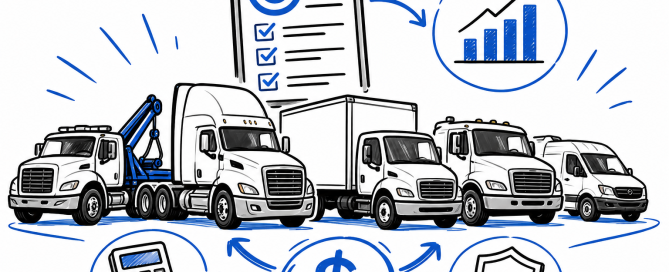
Learn how to finance multi-unit fleets with structures that protect working capital, fit replacement schedules, and support faster equipment deployment.
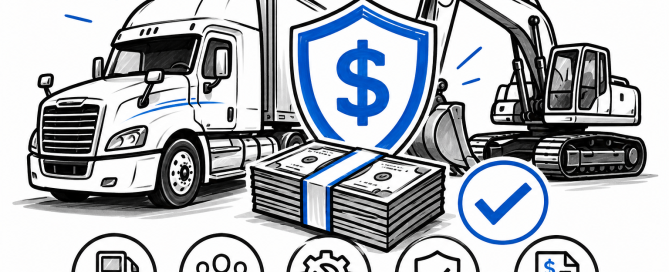
Learn how to preserve working capital for equipment purchases with financing structures that protect cash flow and keep revenue assets in service as planned.
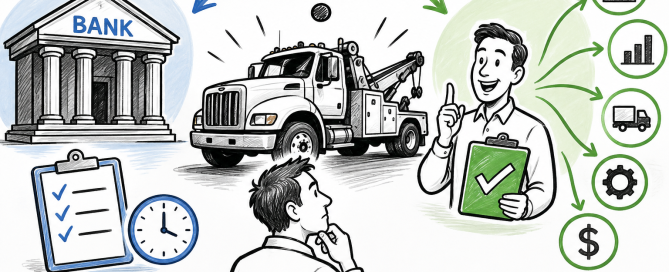
Compare an equipment finance broker versus banks for fleet and equipment purchases, including lender access, timing, terms, documentation, and needs.
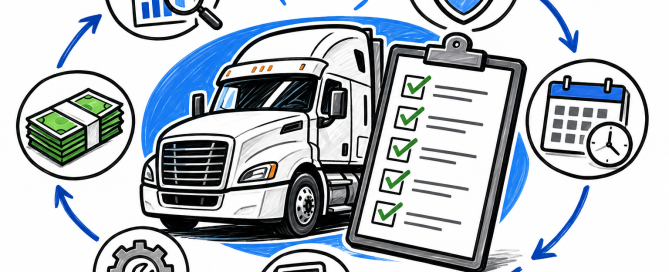
Use this fleet financing checklist to assess equipment, cash flow, documentation, and deal structure before adding or replacing commercial vehicles first.

Used versus new equipment financing affects cash flow, uptime, collateral value, and approval structure. Compare the right purchase for your commercial fleet.