Equipment Collateral: What Lenders Evaluate
Learn how equipment collateral affects commercial financing, from asset value and condition to advance rates, documentation, and deal structure decisions.

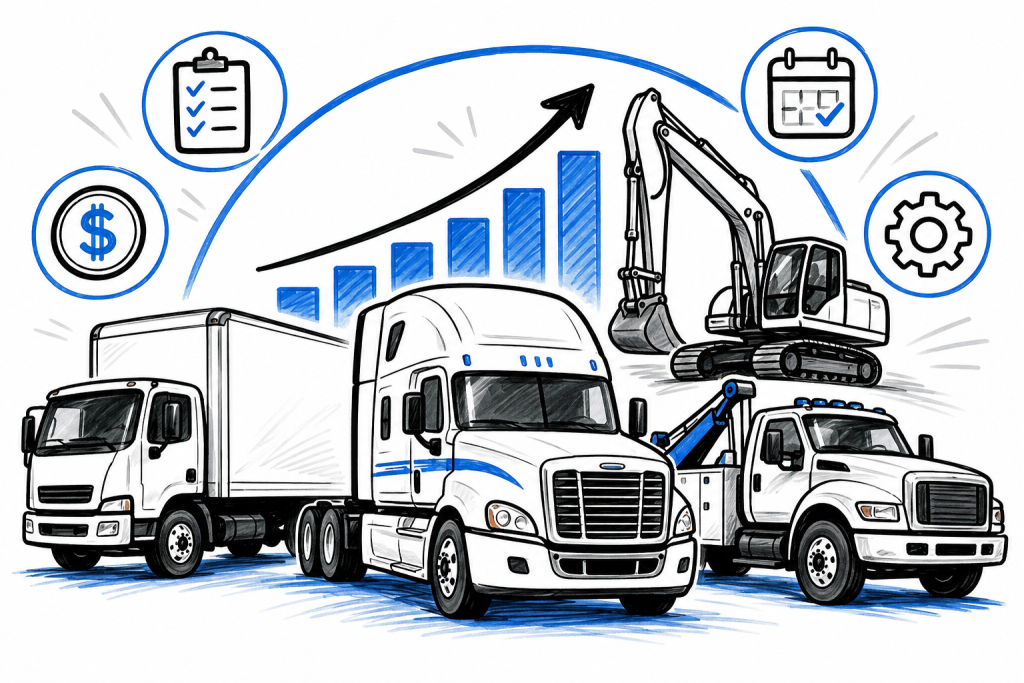
A truck that is parked for major repairs is not just an aging asset. It can mean missed loads, overtime, rental expense, delayed jobs, and pressure on customer relationships. This commercial fleet financing guide is for established businesses deciding whether to replace, add, or refinance revenue-producing vehicles and equipment without putting unnecessary strain on working capital.
The right financing structure is rarely just about the monthly payment. It should fit the asset’s useful life, the business’s operating cycle, the seller’s timeline, and the revenue the unit is expected to produce once it enters service.
Fleet purchases usually begin with one of three business problems: a replacement unit is needed before downtime becomes costly, capacity must increase to support contracted work, or an existing fleet needs to be upgraded for reliability, compliance, or customer requirements.
Those situations call for different decisions. Replacing a high-mileage day cab used on a fixed local route may justify a different term and down payment than adding specialized wreckers to a towing operation with seasonal demand. A construction company purchasing an excavator may need to consider how quickly the machine can be deployed to a confirmed project, while a medical transport provider may be focused on vehicle specifications, conversion costs, and service readiness.
Before requesting financing, identify the asset, expected purchase price, seller, intended use, and target in-service date. Then estimate the revenue, cost savings, or avoided downtime associated with the purchase. Lenders and financing sources evaluate the borrower first, but a clear business purpose also helps support a well-structured transaction.
Commercial fleet financing is commonly used for business-use assets that generate revenue or support core operations. That may include semi-trucks, dry vans, reefers, dump trucks, box trucks, sprinter vans, tow trucks, rollbacks, car haulers, buses, ambulances, and non-emergency medical transport vehicles.
It can also apply to equipment that works alongside a fleet, such as excavators, loaders, forklifts, trailers, and other industrial assets. The key distinction is commercial use. Financing sources generally want to understand who owns the asset, how it will be used, where it will operate, and whether the borrower has the experience and capacity to manage it.
New equipment often provides the broadest set of financing possibilities because age, condition, warranty coverage, and resale value are easier to assess. Used equipment can still be financeable, but asset age, mileage, hours, maintenance condition, and seller type can affect term length, down payment expectations, and available programs.
A late-model sleeper tractor with documented maintenance history bought from an established dealer may be viewed differently than an older vocational truck purchased through a private sale. Neither is automatically good or bad. The deal simply needs to fit the equipment and the lender’s requirements.
A loan or finance agreement is often appropriate when the business intends to keep the vehicle or equipment for the long term. Payments are spread over a defined term, and the company typically builds ownership in the asset over time. For a fleet that plans to operate equipment through its expected service life, this can be a practical approach.
A lease structure may make more sense when preserving cash, managing replacement cycles, or aligning the financing term with the period the business expects to use the asset. Lease terminology can vary, and the financial and end-of-term implications deserve careful review. A lower periodic payment can be useful, but it should not be evaluated without understanding any end-of-term purchase options, residual assumptions, or usage conditions.
Term length is another meaningful tradeoff. A longer term may reduce the monthly payment and preserve operating cash. However, it can also extend the obligation beyond the period when the equipment is most productive or desirable to retain. A shorter term can build equity sooner but may create a payment that competes with payroll, fuel, insurance, maintenance, or project costs.
The best answer depends on the asset. A trailer, for example, may support a different financing horizon than a high-mileage truck or specialized machine subject to intensive jobsite use.
For established businesses, good personal and business credit can support stronger financing options, but credit is only part of the file. Financing sources commonly consider time in business, revenue trends, existing debt, liquidity, payment history, fleet size, industry experience, and the condition and value of the asset.
A company with several years of documented operations, stable deposits, and a proven fleet history may have more flexibility than a business making its first equipment purchase. That does not mean every established company will receive the same structure. A recent expansion, heavy existing obligations, changing revenue, or a specialized used asset can affect the analysis.
Documentation helps move a transaction forward. Depending on the request, this may include a completed application, business formation documents, bank statements, financial statements, tax returns, fleet schedules, proof of insurance, equipment specifications, and a detailed purchase order or invoice. A complete package gives financing sources a clearer view of both the borrower and the collateral.
Seller type also matters. Dealer transactions are often more straightforward because the equipment description, title process, payoff information, and invoice details are usually organized. Private-party purchases can be workable, but they may require additional verification of ownership, lien status, condition, and payment instructions.
A down payment can improve the financing structure by reducing the amount financed and demonstrating borrower commitment. In some situations, qualified borrowers and assets may support low-down or potentially zero-down structures. Those outcomes are conditional, not standard. Credit strength, business history, asset type, mileage or age, lender requirements, and the overall transaction all matter.
The practical question is not simply whether a company can put more cash down. It is whether doing so is the best use of cash. A contractor purchasing a dump truck before a busy season may prefer to retain funds for labor, materials, insurance, and fuel. Another business may choose a larger down payment to reduce its monthly obligation and protect margins.
Avoid treating every dollar of available cash as a financing decision. Fleet operations require reserves for repairs, deductibles, tires, permits, and unexpected delays. Preserving reasonable liquidity can be as valuable as reducing the financed balance.
Equipment purchases often become urgent when a truck fails inspection, a major repair estimate arrives, or a customer contract creates immediate capacity pressure. But the fastest path to funding usually starts before the purchase becomes an emergency.
Gather the quote, specifications, buyer information, and financial documents early. Confirm whether the seller can provide a clean invoice, vehicle identification number, mileage or hours, and any relevant maintenance records. If a payoff is involved, verify the payoff amount and expiration date. If the equipment requires a body build, conversion, upfit, or installation, clarify what is included in the invoice and when each stage will be completed.
Some well-documented transactions for qualified established businesses can move quickly, potentially including decisions or funding on an accelerated timeline. Actual timing depends on the credit profile, time in business, fleet history, asset, documentation, seller cooperation, lender requirements, and final deal structure. A missing title document or incomplete purchase order can matter more than the speed of the application itself.
A specialized equipment finance broker can help compare available programs and structure a request around the borrower, asset, and transaction details. This is particularly useful when the deal involves used equipment, vocational units, multiple assets, a private seller, a trade-in payoff, or an upfit that does not fit a basic vehicle invoice.
Commercial Fleet Financing, Inc. works as a commercial equipment finance broker and financing partner, helping qualified businesses present transactions to appropriate funding sources, coordinate documentation, and work through vendor and funding details. That role can reduce friction when the business needs someone who understands both the equipment and the lender questions likely to arise.
The productive conversation is specific: What are you buying? Who is selling it? What will it do for the operation? What is the target delivery date? How does the proposed payment fit within current cash flow? Clear answers create a stronger financing request than a generic search for the lowest advertised payment.
A fleet purchase should leave the business better positioned to serve customers, protect uptime, and produce revenue. Start the financing discussion when the equipment plan is still flexible enough to support a sound decision.
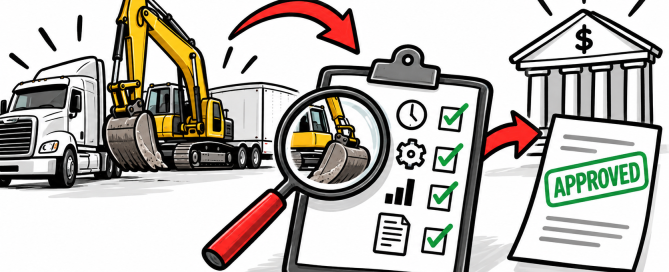
Learn how equipment collateral affects commercial financing, from asset value and condition to advance rates, documentation, and deal structure decisions.
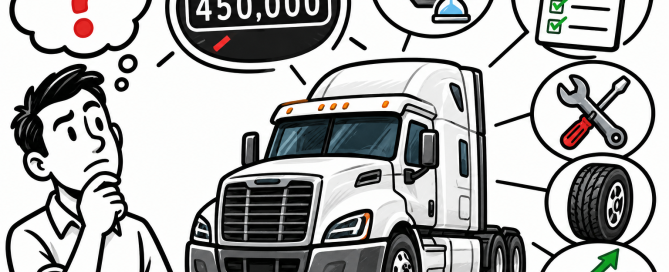
Learn how to evaluate commercial truck mileage before buying or financing, using engine hours, service records, asset age, and intended duty cycle needs.
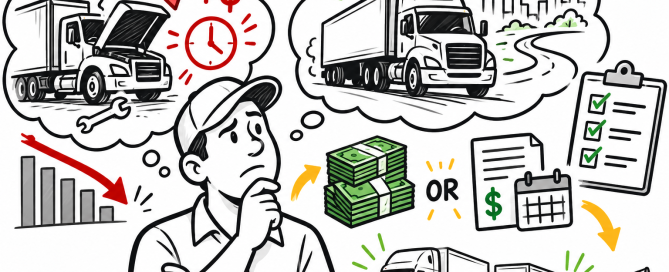
Fleet cash flow affects uptime, buying power, and growth. Learn how established businesses can plan equipment purchases while protecting working capital.
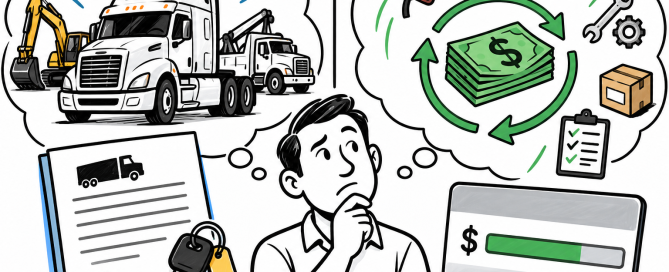
Compare fleet loans versus credit lines for equipment purchases, repairs, and expansion. See how terms, collateral, cash flow, and timing shape the choice.
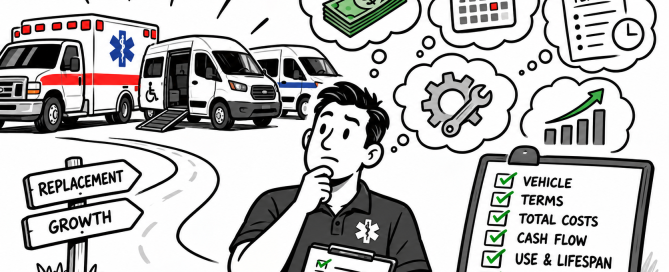
This medical transport financing review explains how established operators can compare terms, protect cash flow, and put the right vehicle in service.