Equipment Collateral: What Lenders Evaluate
Learn how equipment collateral affects commercial financing, from asset value and condition to advance rates, documentation, and deal structure decisions.

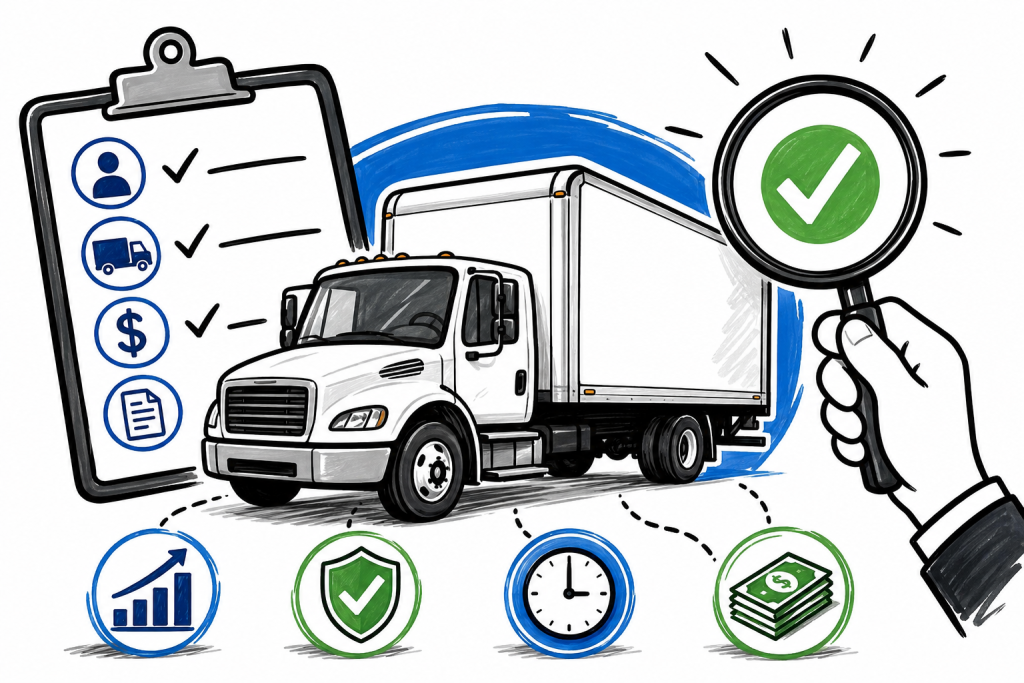
A box truck can be the difference between accepting a new delivery route and turning down profitable work because capacity is tied up. That is why a useful box truck financing companies review should go beyond advertised payments. For an established business, the right financing source needs to fit the truck, the seller, the company’s operating history, and the cash flow the truck is expected to produce.
A low monthly payment may look attractive, but it can come with a longer term, a larger final payment, restrictive mileage or age rules, or a process that stalls when the vendor needs funding. The better question is not simply, “Who has the lowest rate?” It is, “Which financing option supports this purchase without creating avoidable friction?”
Commercial box truck financing is asset-based, but the business behind the asset still matters. Finance companies and funding sources commonly evaluate the borrower’s time in business, commercial credit profile, financial strength, existing fleet, payment history, and the intended use of the truck. They also review the equipment itself.
A 26-foot dry van purchased from a recognized commercial dealer is generally easier to place than a high-mileage truck with an unusual body configuration sold by an unknown private party. That does not mean older trucks or private-party purchases cannot be financed. It means the available structure, down payment, documentation, and lender interest may differ.
When comparing options, review four areas together:
A company that is a good fit for a newer refrigerated box truck may not be the right fit for a 12-year-old straight truck with 300,000 miles. Reviews that treat every box truck purchase as identical are not especially helpful to fleet operators.
Online reviews can identify patterns in communication, documentation, and follow-through, but they do not tell the full underwriting story. A borrower who was declined may have been buying an older unit, had limited operating history, or submitted incomplete information. A borrower who received favorable terms may have had strong credit, a long-established business, and a newer truck from a dealer.
Look for specifics instead of broad praise or complaints. Useful reviews describe whether the company understood commercial vehicles, explained conditions clearly, coordinated with the seller, and stayed involved through funding. Those details matter when a truck is sitting at a dealer, a body builder is waiting for a deposit, or a replacement unit is needed before an aging truck causes a service interruption.
Be cautious with reviews that focus only on speed. A quick preliminary response is valuable, but a finance source still needs to confirm the equipment, verify documents, satisfy lender conditions, and coordinate closing. Depending on the credit profile, equipment, seller, documentation, and deal structure, some well-prepared transactions can move quickly. Others require more review, particularly when the asset is older, specialized, or purchased from a private seller.
A commercial equipment finance broker is different from a bank or a single direct lender. A specialized broker can present a qualified transaction to multiple potential funding sources and help match the deal with programs that fit the borrower and equipment profile. That can be especially useful when one funding source prefers late-model equipment while another is more comfortable with a particular industry or truck configuration.
The trade-off is that the process depends on lender requirements and accurate packaging of the file. A broker should be clear about its role, what information is needed, and which conditions come from the funding source rather than the broker. Commercial Fleet Financing, Inc. operates as a specialized equipment finance broker and financing partner, helping established businesses coordinate the equipment, documentation, vendor, and funding process.
A financing quote should be reviewed as a complete business commitment. Two quotes with similar payments can produce different total costs, cash requirements, and operational flexibility.
Term length is one example. Extending a term can reduce the monthly payment and preserve working capital, which may be useful when adding several trucks or carrying seasonal payroll. However, the business may pay more over time, and the equipment could be worth less than the remaining balance if the term is stretched too far.
Down payment is another. Qualified established businesses may have low-down-payment or, in some cases, zero-down options available, depending on the credit profile, asset, lender requirements, and structure. Still, putting money down can improve the approval profile, reduce payment, and help when financing a used truck with higher mileage. The right choice depends on whether cash is more valuable in the bank for fuel, insurance, drivers, maintenance, or the next equipment purchase.
Ask about payment frequency as well. Monthly payments are common, but some businesses benefit from structures that better align with contract billing or seasonal revenue. A landscaping contractor, for example, may evaluate cash flow differently than a regional delivery operator running steady routes all year.
Also ask whether the agreement permits early payoff and whether any prepayment charges apply. If the company expects to refinance, sell the truck, or replace it early, that detail deserves attention before signing.
Box trucks are not interchangeable collateral. Lenders often consider age and mileage because both affect resale value, remaining useful life, and repair exposure. The truck’s chassis, body, liftgate, refrigeration unit, and other installed equipment can all affect how the purchase is evaluated.
A business replacing a worn 16-foot delivery truck with a three-year-old 26-foot unit may have a straightforward use case: existing routes, documented revenue, and a known operating need. A business buying a customized truck with a new body on an older chassis may need a more detailed explanation of the equipment value and the vendor’s invoice.
Seller type matters, too. A franchised dealer or established commercial truck dealer typically provides clear invoices, title documentation, and equipment descriptions. Private-party transactions can require additional verification. If the truck is being built, refurbished, or upfitted, expect the finance process to address deposits, progress payments, final inspection, and when the unit will be placed in service.
Experienced buyers often lose time not because financing is unavailable, but because the file is incomplete. Before choosing a financing company, ask what it will need for a transaction like yours.
For established companies, common requests may include a credit application, business formation details, equipment quote or purchase order, recent business bank statements, and financial statements or tax returns when the transaction size or credit profile warrants them. Lenders may also request proof of insurance before funding and information on existing equipment loans.
A capable financing partner should explain why each item is needed and identify potential issues early. For example, if the purchase order lists a truck price but excludes the liftgate, delivery fee, or refrigeration system, the financed amount may need to be corrected before documents are prepared. If a seller has a payoff on the unit, the title and payoff process should be addressed before closing.
A productive first conversation should be operational, not generic. Explain what the truck will do, whether it replaces an existing unit or adds capacity, where it is being purchased, and how soon it must be in service. Then ask whether the proposed structure fits the asset’s age and mileage, whether the seller is acceptable, what documentation is likely required, and what could delay funding.
It is also reasonable to ask whether the finance source has experience with your truck type. A dry freight box truck, reefer unit, mobile service truck, and moving truck can have different values, body components, and operating considerations. Familiarity does not replace underwriting, but it can reduce avoidable back-and-forth.
For dealers and commercial sellers, the same standards apply. A financing partner that communicates clearly, collects complete information, and coordinates conditions can help qualified buyers move from a quote to a completed sale with less disruption.
The best choice is usually the company that understands the truck’s role in your operation, presents realistic options, and stays accountable through the details. A box truck should enter service as a productive asset, not become the next administrative bottleneck.
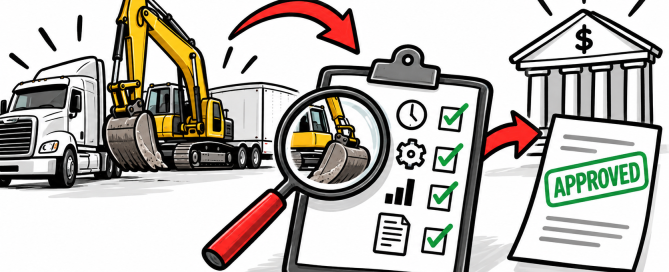
Learn how equipment collateral affects commercial financing, from asset value and condition to advance rates, documentation, and deal structure decisions.
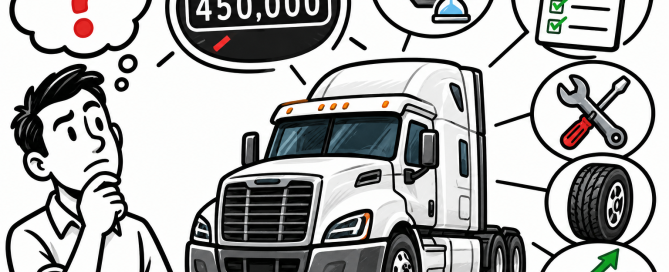
Learn how to evaluate commercial truck mileage before buying or financing, using engine hours, service records, asset age, and intended duty cycle needs.
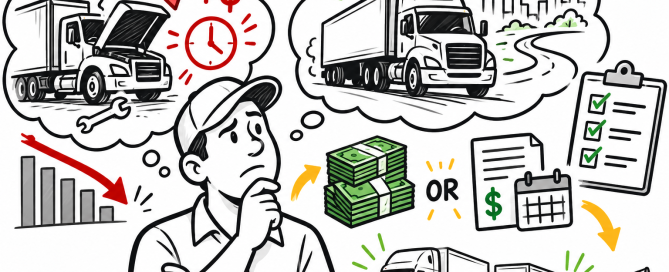
Fleet cash flow affects uptime, buying power, and growth. Learn how established businesses can plan equipment purchases while protecting working capital.
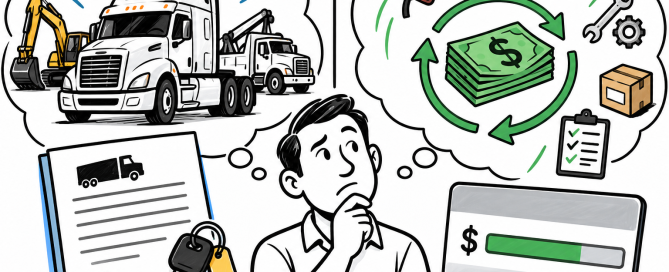
Compare fleet loans versus credit lines for equipment purchases, repairs, and expansion. See how terms, collateral, cash flow, and timing shape the choice.
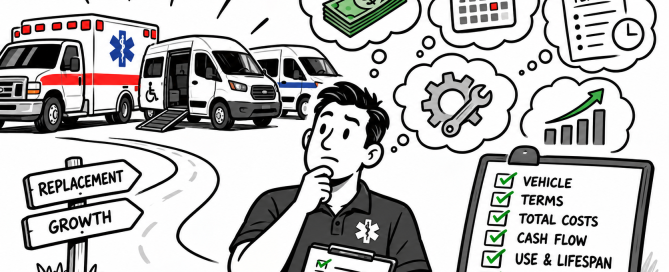
This medical transport financing review explains how established operators can compare terms, protect cash flow, and put the right vehicle in service.