Fleet Financing Without Straining Cash Flow
Fleet financing helps businesses replace, expand, or upgrade revenue-producing equipment while managing cash flow, uptime, and lender requirements well.

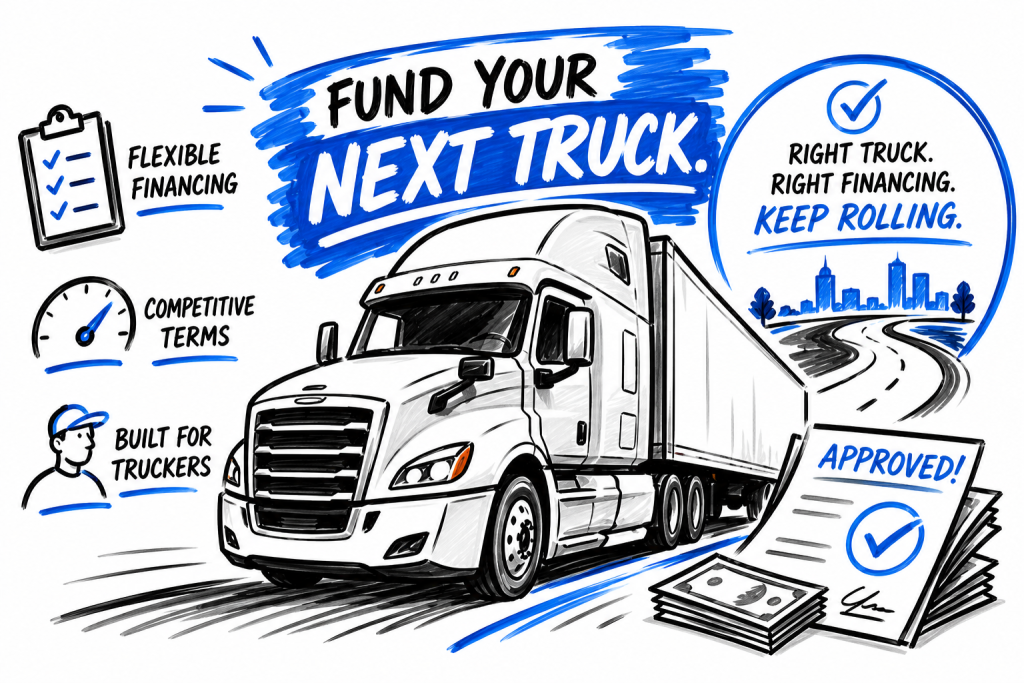
If you are searching for the best semi truck financing companies, you are probably not looking for a long list of names with no context. You need a financing partner that understands truck specs, model years, revenue use, documentation, and how quickly a deal needs to move so the unit can get on the road.
That is where many buyers get stuck. On paper, a lot of finance providers look similar. In practice, they are not. Some know how to structure deals for owner-operators buying a first sleeper. Some are stronger with established fleets adding late-model tractors. Others struggle with used equipment, startup files, complex titles, or vocational truck scenarios that fall outside a narrow credit box.
The best semi truck financing companies do more than quote terms. They understand that a semi-truck is a revenue-producing business asset, not a consumer vehicle. That changes the conversation.
A strong commercial financing partner starts by looking at the full deal. That includes time in business, cash flow, truck age, mileage, intended use, seller type, down payment, and how the equipment fits the borrower’s operation. A buyer replacing an aging day cab has a different profile than a carrier expanding a regional fleet or an owner-operator moving from company driver to truck ownership.
The difference matters because semi-truck financing is rarely one-size-fits-all. The best providers know when a conventional finance structure makes sense, when a different term may improve monthly cash flow, and when a file needs more documentation to match lender requirements. They also know how to keep a transaction moving between borrower, seller, and funding source instead of letting it stall over avoidable issues.
A low rate gets attention, but it is not the whole deal. The cheapest offer on paper can become the most expensive option if it requires a large down payment, short amortization, excessive stipulations, or a funding process that causes you to lose the truck.
For most business buyers, the better question is whether the financing fits the operation. Can the monthly structure work with current lanes or contracts? Does the program fit a used truck purchase or only newer inventory? Is the provider comfortable with owner-operators, fleets, or both? Can they work with dealer sales, private-party transactions, or auction purchases when appropriate?
A good financing company should be able to explain those trade-offs clearly. If they only talk about rate and avoid the rest, that is usually a sign they are not looking at the deal from an operator’s perspective.
The first factor is equipment appetite. Some companies are comfortable across a wide range of makes, model years, and mileage bands. Others prefer newer Class 8 trucks from franchised dealers only. If you are buying a used Peterbilt, Freightliner, Volvo, Kenworth, or Mack from an independent seller, that matters.
The second factor is borrower profile. Some financing sources work best for established businesses with stronger time in business and cleaner credit. Others have more flexibility for startups, first-time buyers, or businesses that have had a few credit disruptions but can still support the purchase. Flexibility does not mean anything goes. It means the provider knows how to present a file based on the full business case.
The third factor is speed and coordination. A semi-truck deal often involves a seller, invoice or purchase order, insurance, business documentation, title details, and lender conditions. A provider that knows the process can help prevent delays. In some cases, approvals and funding can move quickly, but the timeline always depends on the borrower profile, asset, paperwork, and lender requirements.
The fourth factor is structure. Terms, down payment expectations, seasonal business cycles, and equipment age all affect the final deal. A buyer with strong cash reserves may want to preserve working capital for fuel, maintenance, payroll, or permits rather than put excess cash into the purchase. That is where a flexible commercial financing partner adds value.
Not every source of truck financing serves the same borrower equally well. Traditional banks may work for established businesses with strong financials, existing banking relationships, and newer equipment. The trade-off is that banks can be more rigid on truck age, documentation, and credit profile.
Captive finance programs tied to dealers or manufacturers can be a fit when buying new equipment from a participating seller. They may offer attractive programs in certain situations, but they are naturally limited to their own inventory channels and guidelines.
Specialized commercial financing companies tend to be the most practical option for many semi-truck buyers because they focus on business-use equipment and work across more transaction types. That can matter if the truck is used, the file needs a tailored structure, or the borrower wants a financing partner that understands commercial vehicles rather than treating the deal like a standard auto loan.
For many operators, that specialized experience is what separates a smooth closing from a frustrating one.
You can usually tell within the first conversation. The better providers ask specific questions about the truck, your business, your routes or contracts, seller details, and what you are trying to accomplish. They are not just collecting an application. They are sizing up the structure.
They also understand common friction points before they become problems. That includes title issues, private-party documentation gaps, mileage concerns, insurance timing, entity paperwork, and the difference between replacing a truck and adding capacity. Those details affect approvals more than most buyers realize.
Another sign is realistic communication. Serious financing partners do not promise every deal will be approved or funded overnight. They explain what is possible, what may be needed, and where the strengths and weaknesses of the file are. That level of clarity is usually a good sign you are dealing with people who know the market.
A first-time owner-operator needs something different than a fleet with twenty units. If you are buying your first semi-truck, guidance matters. You may need help understanding what documents lenders will ask for, how down payment affects structure, and which trucks are easier to finance than others.
If you run an existing fleet, the focus may shift toward repeat acquisitions, replacing aging assets, preserving liquidity, or expanding without overextending cash. In that case, consistency, execution speed, and familiarity with fleet growth matter more than basic education.
This is why there is no universal winner on a list of the best semi truck financing companies. The best fit is the provider that understands your operating model and can align the financing with the asset and the business.
Semi-trucks are not generic equipment. Sleeper tractors, day cabs, heavy-haul units, and fleet replacement trucks all carry different risk considerations. So do mileage, age, emissions rules, maintenance history, and the way the truck will earn revenue.
A specialized commercial financing partner can often identify opportunities or issues early because they work with revenue-producing vehicles every day. That experience helps when a borrower is comparing multiple trucks, buying from a dealer versus a private seller, or trying to keep delivery timelines intact.
Commercial Fleet Financing, for example, works in the business-use equipment space every day, which matters when timing, equipment knowledge, and deal structure all need to line up. That kind of specialization is often more useful than a broad lender that handles many asset classes but lacks truck-specific experience.
Start with the transaction, not the advertisement. Look at the truck you want, the seller, your business profile, how quickly you need to close, and how much cash you want to keep in the business after funding. Then compare financing companies based on how well they handle that exact scenario.
Ask practical questions. What truck ages do they commonly finance? Do they work with first-time buyers? Are they comfortable with used trucks? What documentation should you expect? How do they handle seller coordination? The answers will tell you more than a generic marketing claim ever will.
The best semi truck financing companies are rarely the loudest. They are the ones that understand the equipment, structure the deal around the business, and keep the process moving without wasting time.
If a truck is supposed to generate revenue, the financing should support that goal instead of getting in the way. Choose the partner that sees the full operation, not just the application.
Fleet financing helps businesses replace, expand, or upgrade revenue-producing equipment while managing cash flow, uptime, and lender requirements well.
Tow and recovery fleet financing helps established operators replace critical trucks, protect cash flow, and put the right equipment into service reliably.
Compare the best trailer financing companies by lender fit, trailer type, asset age, terms, documentation, and funding support for established U.S. businesses.
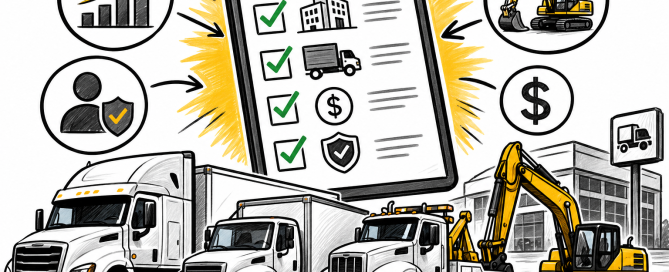
Use this commercial equipment approval guide to prepare your file, address lender criteria, and keep qualified fleet purchases moving toward funding now.
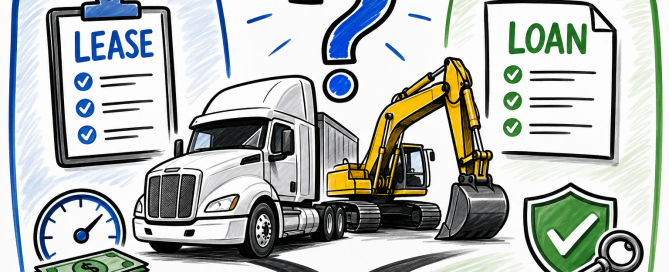
Compare an equipment lease versus loan for commercial trucks and machinery. See how ownership, cash flow, terms, and asset life shape the right fit today.