What Documents Are Needed for Equipment Financing?
Learn what documents are needed for equipment financing, why lenders ask for them, and how to prepare a cleaner, faster commercial approval file.

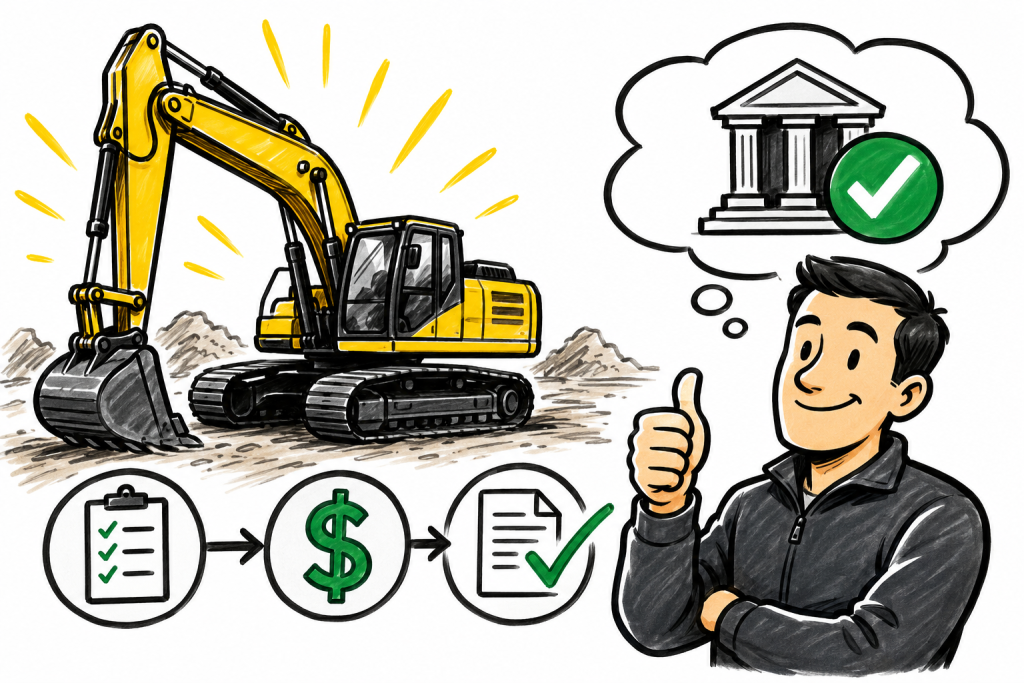
A used excavator with 4,800 hours and a strong service record can be a better financing deal than a newer machine with spotty maintenance, inflated pricing, or limited resale support. That is why searching for the best lenders for yellow iron financing is rarely about finding one name. It is about finding the right lending fit for the machine, the borrower, the use case, and the timeline.
Yellow iron financing covers a wide range of heavy equipment – excavators, dozers, loaders, backhoes, graders, skid steers, compact track loaders, and other construction machines used to produce revenue. The lender that works well for a large, established contractor buying new late-model equipment may not be the right fit for a smaller operator purchasing used iron at auction. The real question is not who advertises the most. It is who can structure the deal correctly.
The strongest commercial equipment lenders tend to excel in a few specific areas. First, they understand equipment value beyond the invoice. In yellow iron, age, hours, condition, manufacturer, attachment package, emissions tier, and market liquidity all matter. A lender that knows construction equipment can make a cleaner credit decision because it understands collateral risk.
Second, good lenders look at the business behind the machine. They want to know whether the equipment supports active contracts, expands production capacity, replaces aging units, or opens a new service line. A borrower with uneven tax returns but strong bank activity and real equipment demand may still be financeable if the deal is presented properly.
Third, the best financing sources move with operational urgency. Contractors do not have the luxury of waiting weeks while a machine sits at a dealer lot or an auction purchase window closes. Speed matters, but so does accuracy. Fast approvals only help if the lender can actually get comfortable with the equipment, the borrower, and the documentation.
When people ask about the best lenders for yellow iron financing, they often assume there is a single category of lender that always wins. There is not. The best option depends on the transaction.
Banks can be a fit for strong borrowers with solid financials, established time in business, and cleaner credit profiles, especially on newer equipment. They may offer attractive terms, but they can also be slower and less flexible when the deal involves older iron, a startup operation, limited financial history, or specialized equipment.
Captive finance programs from manufacturers can work well on new equipment purchases, particularly when a dealer is moving current inventory and promotional terms are available. The trade-off is that these programs are usually tied to specific brands, specific equipment, and specific borrower profiles. They may not be as useful for mixed fleets or used-equipment acquisitions.
Independent commercial equipment finance sources are often a better fit for more nuanced deals. This is where flexibility matters. A borrower may need financing for a used crawler dozer, a mid-hour wheel loader, or a package that includes attachments and delivery. These transactions often require practical underwriting, equipment knowledge, and a lender appetite that matches the actual deal rather than a narrow policy box.
That is also why many business buyers work with a specialized commercial financing partner instead of trying to call lenders one by one. The right partner understands lender requirements, helps position the transaction properly, and coordinates the process from application through funding.
Credit matters, but it is not the whole deal. In heavy equipment finance, lenders typically evaluate the borrower, the equipment, and the structure together.
On the borrower side, they usually review time in business, business credit, personal credit for closely held companies, cash flow, bank history, debt load, and operating experience. A newer company can still have options, but the structure may look different from what an established contractor receives.
On the equipment side, lenders want to know the exact asset, seller type, condition, serial number, year, make, model, hours, and purchase source. A machine from a recognized dealer with maintenance records is usually easier to finance than a private-party purchase with missing details. Auction purchases can be financeable too, but timing and documentation become more important.
Structure is where many deals are won or lost. Down payment, term length, equipment age, use type, and requested payment all affect approval. Asking for a long term on older equipment can narrow lender options. A reasonable injection of cash, a shorter term, or stronger supporting documents can open up more paths.
New equipment generally brings more financing options because collateral risk is easier to evaluate. The equipment is easier to value, dealer paperwork is cleaner, and resale support is usually stronger. Borrowers with good commercial profiles may see more competitive structures on new iron.
Used equipment is a different conversation. Plenty of lenders finance used yellow iron, but the machine has to make sense. Age alone does not kill a deal. An older machine with good maintenance, acceptable hours, and strong market demand may finance better than a newer unit with red flags. The best lenders for yellow iron financing on used equipment know how to read condition and marketability, not just model year.
This is especially relevant for contractors buying to preserve cash flow. Used iron can lower acquisition cost and improve return on investment, but only if the financing matches the remaining useful life of the asset.
A large site contractor with audited financials, strong liquidity, and a planned fleet replacement cycle should not shop financing the same way a small excavation company does. Each borrower profile tends to align with a different lender appetite.
Established companies usually benefit from lenders that reward financial strength and fleet history. Startups, newer contractors, and growth-stage operators may need lenders that place more weight on industry experience, job pipeline, bank activity, and the actual revenue purpose of the machine.
Borrowers with credit issues are another case where lender fit matters. A prior setback does not automatically eliminate equipment financing, but it may require more explanation, more documentation, or a different structure. The wrong lender wastes time. The right one looks at the full file.
If you want a cleaner approval process, bring the deal together before you apply. That means having the equipment quote or invoice, business information, ownership details, and a clear explanation of how the machine will be used. If the equipment is used, maintenance history and seller information can make a real difference.
It also helps to be realistic about structure. A request that matches the equipment and the business profile is easier to place than one built around an ideal payment with no regard for risk. If preserving working capital is the priority, say that. If the machine is tied to a signed contract or immediate backlog, say that too. Lenders respond better when they understand the business purpose.
This is where a specialized financing partner adds value. Instead of treating a loader, dozer, and excavator as interchangeable assets, an experienced team looks at the machine category, the borrower story, the seller, and the timing. That often leads to a better lender match and fewer delays caused by preventable documentation issues.
For equipment dealers, the best lenders for yellow iron financing are not just the ones that approve deals. They are the ones that help move inventory, support realistic buyer profiles, and keep transactions from stalling over avoidable friction.
A financing partner that understands yellow iron can help dealers present deals more clearly, gather the right documents early, and set expectations around terms, timing, and conditions. That matters when customers are comparing machines, managing project start dates, or trying to secure equipment before another buyer does.
For sellers, financing is part of the sales process, not an afterthought. The easier it is for a qualified buyer to get from quote to approval to funding, the easier it is to close.
There is no universal list of lenders that works for every excavator, wheel loader, or dozer purchase. Yellow iron financing is deal-specific. The strongest results usually come from matching the equipment, borrower, and structure to the right lending source from the start. If you approach it that way, financing becomes a tool for getting iron into the field and revenue to work faster.
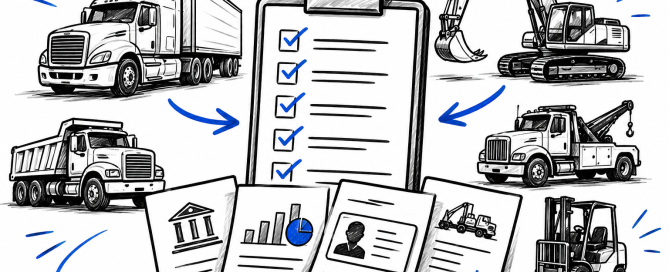
Learn what documents are needed for equipment financing, why lenders ask for them, and how to prepare a cleaner, faster commercial approval file.
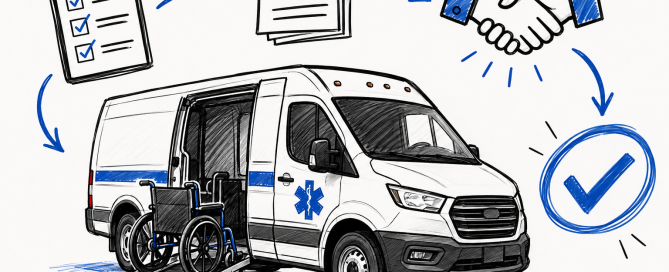
Learn how to finance medical transport vehicles with practical guidance on terms, down payments, approvals, vehicle types, and deal structure.
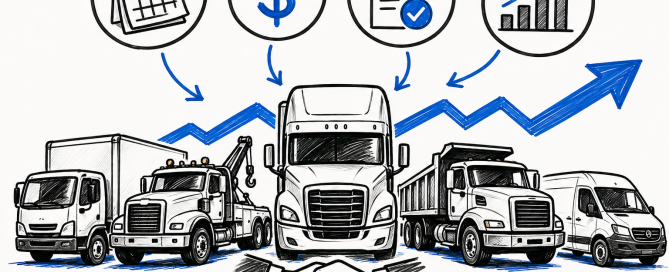
Compare the best financing structures for fleet expansion, from term loans to TRAC leases, with practical guidance on cash flow, terms, and growth.
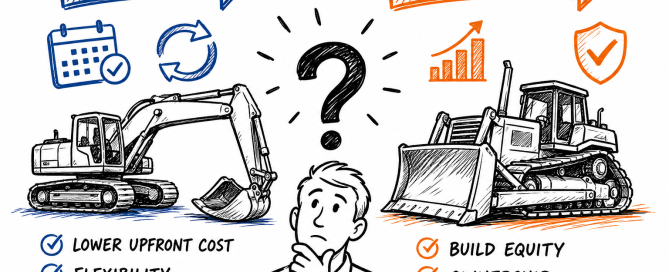
Leasing vs financing heavy equipment comes down to cash flow, ownership, term length, and usage. Learn which structure fits your business best.
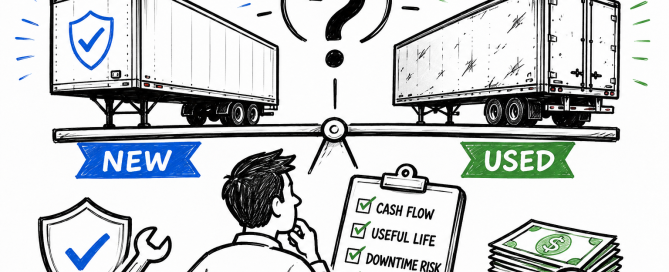
Compare new vs used trailer financing for commercial buyers. Learn how age, condition, cash flow, and lender terms can shape your trailer deal.