Box Truck Financing Companies Review Checklist
A box truck financing companies review for established businesses: compare lenders, terms, asset rules, documents, and funding support before buying wisely.

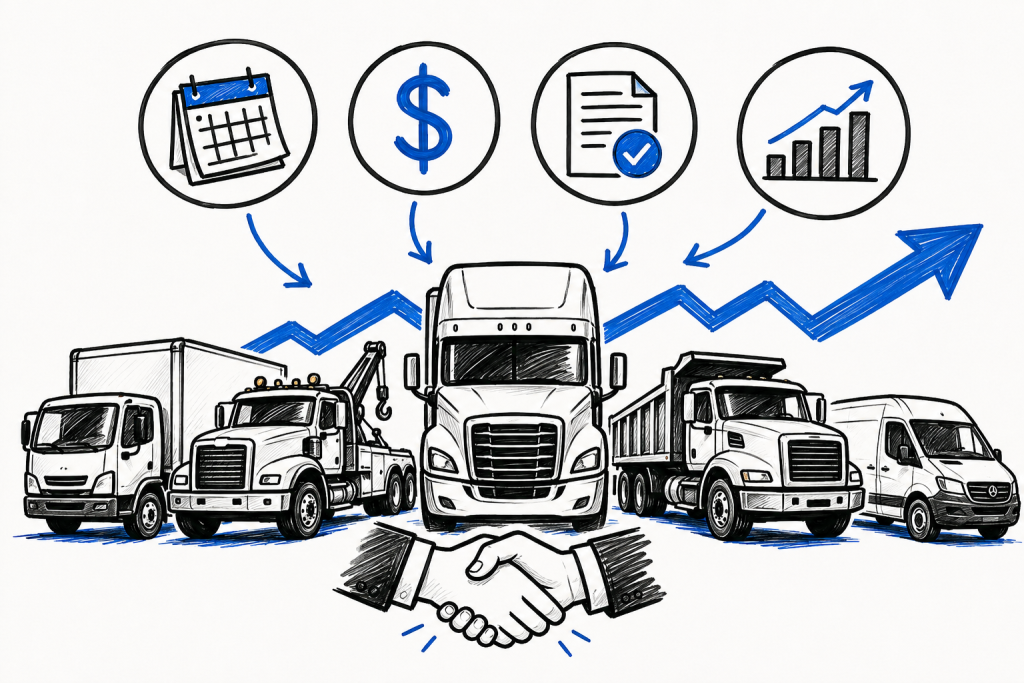
Adding five trucks at once feels very different from replacing one aging unit. The pressure shifts from simple equipment acquisition to capital planning, cash flow timing, lender structure, and deployment speed. That is why the best financing structures for fleet expansion are not universal. The right structure depends on how fast you are growing, how the new units will generate revenue, and how much liquidity you need to preserve for fuel, payroll, insurance, maintenance, and hiring.
For a fleet operator, contractor, towing company, or delivery business, financing structure matters almost as much as price. A low payment can look attractive until it creates a balloon risk at the wrong point in your replacement cycle. A short term can reduce total finance cost but strain working capital while your new units are still ramping up. The real goal is not just getting approved. It is putting equipment into service with terms that support revenue and leave room to operate.
The best structures usually balance four factors: monthly payment, upfront cash requirement, expected equipment life, and the revenue profile of the asset. A dump truck, trailer group, ambulance, or box truck fleet may all be financed differently because each asset has different useful life, resale patterns, operating margins, and lender appetite.
This is where many buyers oversimplify the decision. They ask for the longest term or the lowest down payment without considering utilization, maintenance curves, seasonality, or whether they plan to rotate out units early. A smarter approach is to match the financing structure to how the fleet will actually be used.
For many commercial borrowers, a standard equipment finance agreement or term loan is the most practical starting point. This structure works well when the business wants clear ownership, fixed payments, and a straightforward path to adding vehicles that will stay in service for years.
It is often a strong fit for semi-trucks, trailers, tow trucks, wreckers, dump trucks, vocational vehicles, and construction equipment. Payments are predictable, which helps with forecasting. The trade-off is that monthly payments may be higher than certain lease structures, especially if the term is shortened to align with a faster replacement cycle.
This structure tends to make sense when a company has stable operating history, wants to build equity in the assets, and expects to keep the equipment long enough to justify ownership. It can be less ideal for fleets that plan to refresh aggressively or for businesses that need maximum payment flexibility during a growth phase.
A fair market value lease can be useful when fleet flexibility matters more than long-term ownership. This structure may fit businesses that want lower monthly payments, expect to rotate units regularly, or are uncertain how long a specific asset class will remain in the fleet.
For example, a medical transport operator expanding into a new contract region or a delivery company testing route density may not want to commit to long ownership on every unit. An FMV lease can preserve cash and keep options open at end of term. The trade-off is simple: you may not build the same ownership position as you would under a finance agreement, and end-of-term planning becomes more important.
This structure is often worth considering when technology, spec changes, contract duration, or usage patterns could change before the equipment reaches the end of its useful life.
For over-the-road and certain commercial vehicle fleets, TRAC leases can be one of the more useful financing tools available. They are commonly used for trucks and trailers because they offer flexibility in structuring payments and residuals while still aligning well with commercial fleet operations.
A TRAC lease can help reduce monthly payments compared with a full amortization structure, which may be valuable when a fleet is expanding quickly and trying to keep cash available for operations. The residual component, however, needs to be set carefully. If it is too aggressive, the lower payment today can create pressure later. If it is too conservative, you may give up some of the payment relief that made the structure appealing in the first place.
For fleets with clear replacement planning and a good understanding of resale behavior, this can be a very effective structure. For fleets with uncertain mileage, hard-use applications, or inconsistent disposal timing, the fit depends on how realistically the residual is underwritten.
A common mistake in fleet growth is financing based only on equipment price. The stronger method is to finance around business cash flow. If new trucks will be assigned to signed contracts, recurring lanes, municipal work, medical transport routes, or established service territory, the structure should reflect how quickly those units begin earning.
That may mean a longer term to preserve liquidity during a hiring push. It may mean seasonal payment considerations for contractors or landscaping operators. It may mean grouping assets in a way that matches a phased rollout instead of forcing one large closing to fit an arbitrary timeline.
The best financing structures for fleet expansion usually support the operating plan, not just the acquisition itself. That distinction matters when businesses are adding multiple units, buying from more than one vendor, mixing new and used equipment, or trying to avoid draining cash reserves.
Some borrowers prioritize minimizing upfront cash because fleet expansion usually triggers more than one expense at once. Beyond the equipment itself, there may be decals, permitting, staffing, insurance adjustments, telematics, upfitting, and working capital demands.
In those cases, a structure with lower money down can be valuable if the rest of the deal is still sound. The key is to view low-down options as a cash management tool, not free money. Preserving liquidity can help the business absorb startup friction, but lower upfront investment may also affect term, payment, or overall cost.
Used correctly, this approach can help a company add revenue-producing units without choking operational cash. Used carelessly, it can leave the business overleveraged at the exact moment it needs flexibility.
When a company expects repeated equipment purchases over a short period, a master line or scheduled financing approach may be more efficient than underwriting every unit from scratch. This can be especially useful for fleets adding trucks, trailers, yellow iron, forklifts, or service vehicles in waves.
Instead of treating each purchase as an isolated event, the structure can support a broader growth plan. That often improves speed, creates consistency in documentation, and helps coordinate with dealers, manufacturers, and equipment sellers. It also allows the borrower to stage equipment delivery around labor availability, contract wins, or seasonal demand.
This is one of the more overlooked structures in fleet growth. It is not always necessary for small expansions, but for multi-unit plans it can remove friction from the buying cycle.
Fleet expansion is rarely judged on credit score alone. Lenders and financing sources typically look at time in business, equipment type, revenue trends, industry, utilization, collateral profile, and whether the expansion appears realistic for the company’s size and operating model.
A ten-unit addition for a fleet with established customers, maintenance procedures, and management depth looks different from a ten-unit jump for a smaller operator making its first major expansion. Neither is impossible, but the structure may need to change. One borrower may qualify for more aggressive terms because the growth is supported by clear business performance. Another may need a stronger down payment, shorter exposure, or a phased approval approach.
This is where specialized commercial financing support matters. Equipment category, age, condition, title path, vendor quality, and deal presentation can all affect what structures are available and how quickly the transaction moves.
There is no single winner among term financing, FMV leases, TRAC leases, low-down structures, or phased acquisition programs. The best choice depends on whether your priority is ownership, payment control, flexibility, speed, or liquidity preservation.
If your business plans to keep units for most of their useful life, traditional equipment financing often makes sense. If you expect regular turnover or want lower monthly obligations, lease options may deserve a close look. If you are growing in stages, a broader financing line may create less friction than handling every asset one by one.
The strongest deals usually start with a practical conversation about the fleet itself. What are you buying, how fast do you need it, how will it earn, and what does the business need to protect on the cash flow side? A specialized commercial financing partner can help structure around those answers, coordinate documentation, work through lender requirements, and keep the transaction moving.
Fleet growth should not force a business into a payment structure that looks good on paper but works badly in the field. The right financing structure gives you room to put equipment to work, support the operation behind it, and keep your next expansion decision open.
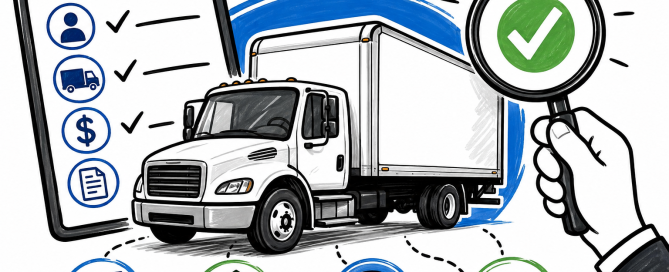
A box truck financing companies review for established businesses: compare lenders, terms, asset rules, documents, and funding support before buying wisely.
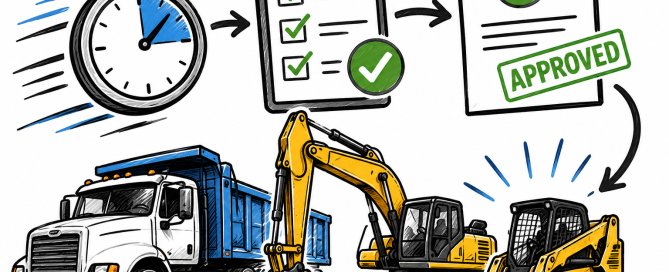
How fast is equipment funding? See what drives approval and funding timelines for qualified commercial trucks, trailers, and business equipment purchases.
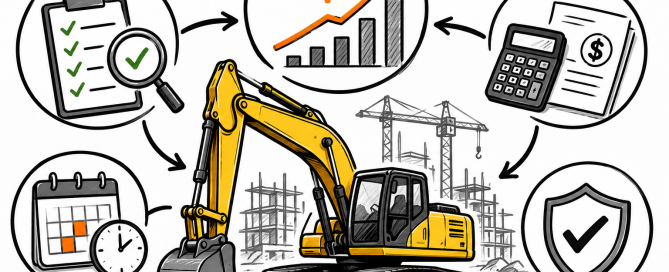
Learn how to finance construction equipment while protecting cash flow, evaluating terms, and preparing a lender-ready commercial equipment file today.

A vendor financing partnership program guide for dealers and manufacturers seeking equipment sales, qualified buyers, and commercial funding support.

Commercial electric vehicle financing trends are reshaping replacement decisions through battery, charging, residual-risk, and cash-flow considerations for fleets.