Commercial Bus Financing for Operators Explained
Commercial bus financing for operators helps established fleets assess terms, vehicle fit, cash flow, and documentation before buses enter revenue service.

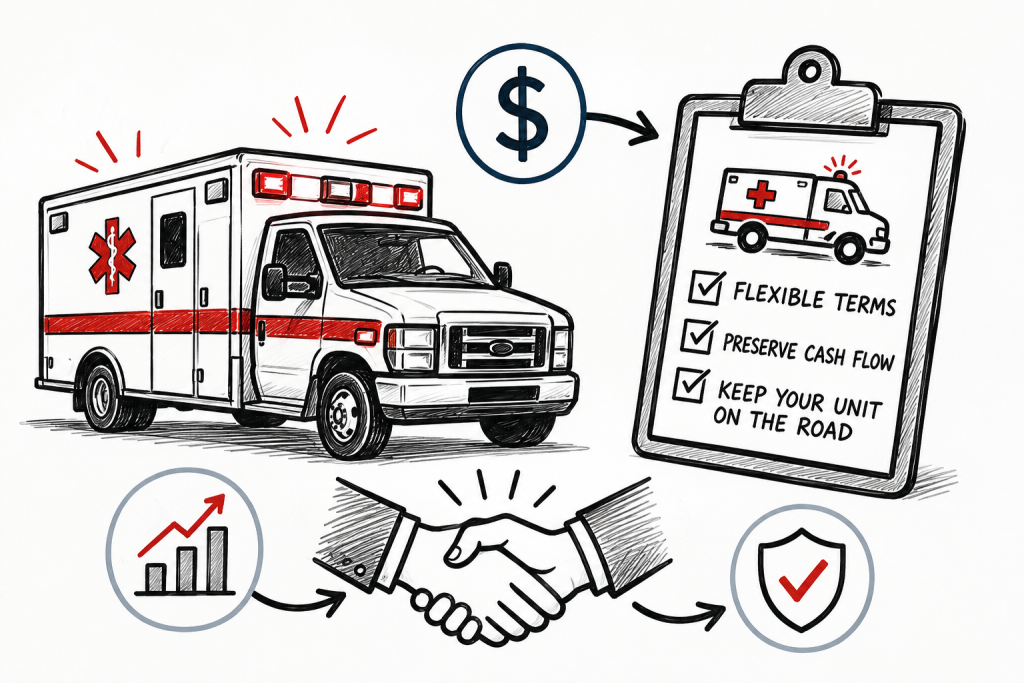
Replacing an ambulance is rarely a casual purchase. Most operators start the process because a unit is aging out, maintenance costs are rising, contract demands are changing, or growth requires another vehicle in service fast. That is why ambulance financing for businesses is usually less about borrowing in the abstract and more about timing, cash flow, and keeping revenue-producing equipment on the road.
For private EMS providers, non-emergency medical transport companies adding higher-acuity units, hospitals, municipalities, and contractors supporting emergency response, the financing structure matters almost as much as the vehicle itself. A poorly matched payment can strain working capital. A well-structured transaction can help preserve cash for staffing, equipment, insurance, and daily operations while getting the unit delivered and placed into service.
Most ambulance acquisitions are financed as commercial-use vehicle transactions tied to the borrower, the asset, and the intended use. Lenders generally look at the age and type of chassis, whether the ambulance is new or used, the reputation of the manufacturer or seller, and the overall condition and marketability of the unit. They also review the business itself – time in business, revenue, liquidity, credit profile, and how the equipment supports operations.
That last point matters. Ambulances are specialized assets, but they are still business-use vehicles expected to generate revenue, support contracted service, or fulfill an operational need. A lender wants to understand whether the acquisition replaces an essential unit, expands a fleet, supports a new agreement, or fills a clear utilization gap. A borrower that can explain the business case usually presents a cleaner file than one submitting only a quote and an application.
The transaction may be structured as a loan or lease-style commercial financing arrangement, depending on the borrower’s goals and the lender program. Some businesses want to own the ambulance outright at the end of term. Others care more about monthly payment, useful life alignment, and preserving flexibility for future replacement cycles. There is no universal best option. The right structure depends on the age of the unit, expected service life, budget, and accounting preferences.
Ambulance financing is not just about credit score. Strong approvals are usually built on the full picture.
A newer unit from an established upfitter or dealer is often easier to finance than an older ambulance with limited remaining service life. The borrower’s experience also matters. A company with an existing fleet, clear contracts, and a track record of operating similar equipment is generally viewed differently than a startup buying its first emergency vehicle.
Cash flow is another major factor. Even profitable businesses can create concerns if they are stretched thin on liquidity or carrying too much existing equipment debt. On the other hand, a borrower with average credit but solid bank activity, stable receivables, and a clear operational need may still present a workable file. This is where deal structure becomes practical, not theoretical.
Down payment expectations also vary. Some transactions may qualify for low-down structures, while others may require more equity because of asset age, borrower profile, or lender policy. Used ambulances often bring more scrutiny than new ones, especially if mileage is high or refurbishment quality is unclear. If the vehicle has been remounted, reconditioned, or converted, that history needs to be documented cleanly.
New ambulances usually offer the cleanest financing path because the asset is easier to value, the service life is longer, and the spec sheet is straightforward. For businesses planning to keep the vehicle in service for years, longer terms may better match the asset’s useful life and reduce monthly pressure. The trade-off is the larger purchase price.
Used ambulances can make sense when speed and budget matter more than maximum lifespan. A strong used unit can lower the initial capital requirement and help a business add capacity faster. But used equipment financing depends heavily on condition, age, title status, maintenance history, and seller credibility. A bargain unit is not always cheap if repairs, downtime, and lender restrictions start stacking up.
Buyers sometimes focus too much on sale price and not enough on total operating reality. An older ambulance with attractive pricing may carry shorter finance terms, higher maintenance exposure, and more service interruptions. A newer vehicle may have a larger invoice but a better long-term operating profile. The financing conversation should account for both.
In this category, documentation is where many transactions either move smoothly or stall out. Ambulance buyers are often working under time pressure, but lenders still need a complete picture. If the seller quote is vague, the vehicle description is incomplete, or the business financials do not support the request clearly, delays follow.
A clean file often includes a detailed invoice or purchase agreement, business information, ownership details, and supporting financial documents. Depending on the deal, lenders may also want photos, VIN details, mileage, specifications, service records, or information about remount work and conversion components. For startups or newer operators, background on management experience and expected revenue can matter more than borrowers expect.
This is one reason specialized commercial financing support matters. Ambulances are not generic passenger vehicles. They involve vehicle chassis, emergency-service upfits, medical interiors, and operational use cases that require context. A financing partner that understands equipment files, lender expectations, and vendor coordination can often help borrowers avoid preventable issues before they become closing problems.
Monthly payment is important, but it should not be viewed in isolation. The better question is whether the payment fits the way the business earns revenue.
An operator with long-term contracts may prioritize predictable fixed payments over the longest possible term. A growing company adding units ahead of new business may care more about conserving working capital in the near term. A replacement purchase triggered by a major breakdown may require balancing speed, equipment quality, and cash injection at closing.
This is where commercial flexibility matters. Some borrowers benefit from longer amortization to reduce monthly burden. Others may prefer a larger down payment to lower total finance cost. In certain cases, step structures or other custom terms may make sense, but only if they align with lender guidelines and the actual economics of the deal.
The goal is not simply getting approved. It is getting financing that helps the ambulance do its job without creating unnecessary strain elsewhere in the business.
The borrower profile in this market is broader than many people assume. Private ambulance operators are the obvious fit, but not the only one. Non-emergency transport companies sometimes acquire ambulances for specialized patient movement. Hospitals and healthcare systems may finance replacement units. Municipal contractors and emergency response support companies may need vehicles for standby service, industrial sites, or event medical coverage.
Vendors and dealers also have a stake in the financing process. When the financing side is handled efficiently, equipment sellers can move quotes to funded transactions faster, reduce friction for buyers, and improve close rates. That is especially important with specialized units where specs, production timelines, and delivery coordination already add complexity.
One common mistake is waiting too long. Businesses often start seeking financing only after an ambulance is already down, a contract start date is close, or maintenance costs have become unmanageable. That compressed timeline limits equipment choice and can force rushed decisions.
Another mistake is treating every lender as if they evaluate ambulances the same way. They do not. Some are more comfortable with vocational and specialty vehicles than others. Some have tighter guidelines on asset age, mileage, or seller type. The structure that works for a box truck or pickup fleet may not translate cleanly to an emergency vehicle.
Buyers also underestimate the importance of seller quality. A complete, professional equipment package from a credible vendor helps. So does a realistic understanding of what the business can support. Stretching for a unit that looks impressive on paper but overextends monthly obligations can create problems quickly.
In a specialized category like this, speed matters, but experience matters more. Businesses need a financing partner that understands commercial-use vehicles, ambulance equipment files, lender requirements, and the practical issues that come up between application, approval, documentation, and funding coordination.
That includes knowing when a used unit is financeable, how to position a replacement request, what documentation a lender will likely ask for, and how to keep communication moving between borrower and seller. Commercial Fleet Financing works in that lane every day, helping businesses across the U.S. finance revenue-producing vehicles and equipment with a practical focus on structure, responsiveness, and getting deals across the finish line.
If you are evaluating an ambulance purchase, the smart move is to look beyond rate shopping and think about the full transaction – asset quality, seller credibility, useful life, monthly cash flow, and how quickly the unit can start supporting operations. The best financing decision is the one that keeps the vehicle working and the business moving.

Commercial bus financing for operators helps established fleets assess terms, vehicle fit, cash flow, and documentation before buses enter revenue service.
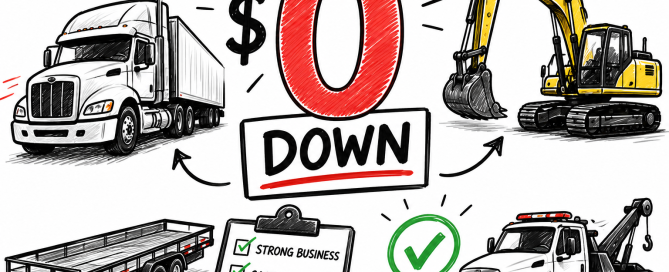
Do lenders offer zero down for equipment? Learn when $0 down may be possible, what lenders review, and how commercial deals are structured.
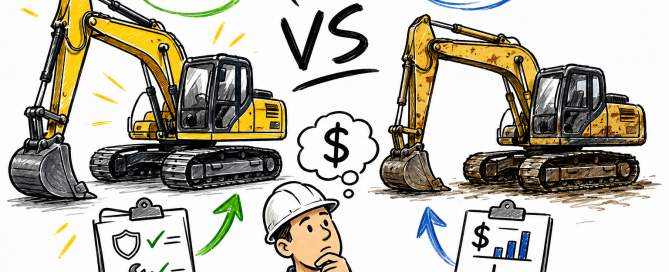
Compare new versus used excavator financing, including approval factors, down payment, terms, uptime risk, and total cost for buyers.

Commercial equipment financing requirements guide for U.S. businesses. Learn credit, cash flow, documents, down payment, and equipment factors.
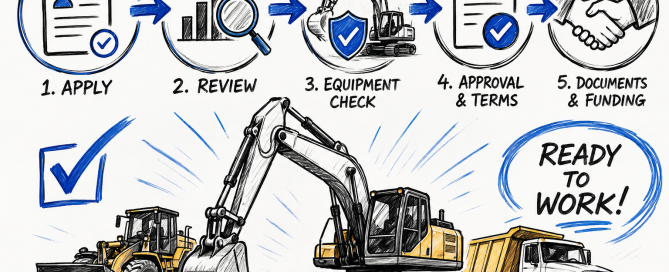
Heavy equipment approval process explained for contractors and fleets. Learn what lenders review, what slows approvals, and how to prepare.